


Key Takeaways
- The survey assessed the accessibility of 1,417 bus stops in the Finnish city.
- Data collected will aid in planning and improving bus stop infrastructure.
- Findings emphasize the importance of comprehensive data for public transportation enhancements.
Survey Insights on Bus Stop Accessibility
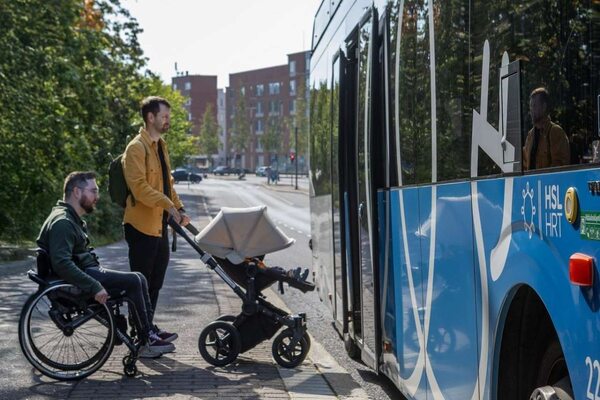
A recent survey in Finland evaluated the accessibility of 1,417 bus stops in a notable urban area. By employing an effective data collection method, researchers have created a detailed dataset that highlights the current state of public transit facilities.
This comprehensive study aims to inform both planning and upgrading efforts for bus stops, ensuring they meet the needs of all users. The data collected is pivotal for local authorities and urban planners, providing a foundation for enhancing public transportation infrastructure across the city.
The accessibility evaluation includes various aspects, from physical infrastructure to user experience, allowing for a holistic understanding of how well bus stops serve the community. This initiative underlines the critical role of thorough data collection in identifying areas needing improvement, ensuring public services adapt to the evolving demands of the population.
Ultimately, the survey’s findings are expected to drive future developments, making public transit more user-friendly and efficient, thus benefitting a broader range of commuters. By uncovering gaps in accessibility, planners can prioritize upgrades and maintenance, aiming to foster an inclusive transportation system that accommodates all residents.
This study stands as a significant example of using data-driven approaches to enhance public infrastructure, setting a precedent for future research and improvements in urban transport services.
The content above is a summary. For more details, see the source article.









