


Key Takeaways
- The UK government is launching an AI-assisted trial to improve early detection of breast cancer, involving 700,000 women at 30 sites across England.
- Current mammogram screenings require two specialists; AI may allow one to complete the job, freeing up resources and reducing patient wait times.
- The initiative is part of a broader national cancer strategy, aimed at enhancing patient care and outcomes in the UK.
Government Launches AI-Powered Breast Cancer Detection Trial
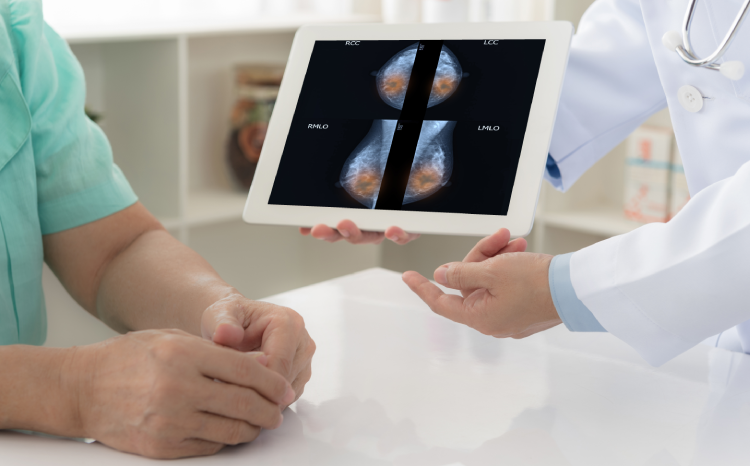
The UK government has announced a groundbreaking trial aiming to use artificial intelligence (AI) tools to enhance the early detection of breast cancer. Nearly 700,000 women will participate in this trial across 30 testing sites in England. These sites will utilize AI technology to augment the routine screening process already available through the National Health Service (NHS).
Breast cancer is the most prevalent type among women in the UK, with approximately 55,000 new diagnoses each year. The AI system is designed to assist radiologists by analyzing mammogram images for abnormalities that may indicate cancer, thus enabling quicker referrals for further investigation when necessary.
Professor Lucy Chappell, the chief scientific adviser at the Department of Health and Social Care (DHSC) and CEO of the National Institute for Health and Care Research (NIHR), expressed optimism about the trial, stating, “This landmark trial could lead to a significant step forward in the early detection of breast cancer, offering women faster, more accurate diagnoses when it matters most.” This initiative reflects the commitment of the NIHR to rigorously test cutting-edge technologies with the potential to save lives while also alleviating pressures on the healthcare system.
Under current practices, mammograms typically require two specialists to conduct screenings. However, the introduction of this technology could enable the process to be completed effectively by one specialist, significantly increasing the efficiency of the system. If the Early Detection using Information Technology in Health (EDITH) trial proves successful, it could not only streamline the workflow but also help to alleviate the backlog of patients waiting for screenings.
Support for this trial comes from an £11 million funding boost from the government through the NIHR. Tackling the pressing need for improved cancer care, Health Secretary Wes Streeting has emphasized the importance of creating a national cancer plan. As part of this initiative, Streeting has invited contributions from cancer experts, healthcare professionals, and those affected by cancer to share insights that could shape a 10-year health strategy.
Streeting noted his personal connection to the cause, stating, “As a cancer survivor, I feel like one of the lucky ones.” He acknowledged the need for immediate action, especially given that cancer survival rates in the UK presently lag behind other countries. He highlighted the ongoing effort to make the NHS more efficient and fit for future challenges through a newly proposed Plan for Change.
In addition to the EDITH trial, recent efforts have included the launch of an AI Opportunities Action Plan, which has reportedly attracted over £14 billion in investments since its inception in January 2025.
Results from the public consultation on the new cancer plan are expected to be instrumental, and a formal announcement of the strategy is anticipated later this year. All these developments signal a concerted effort to improve healthcare outcomes and position the UK as a leader in cancer care innovation.
The content above is a summary. For more details, see the source article.









