


Key Takeaways
- Taiwan is struggling to meet its renewable energy targets, with delays in solar and offshore wind projects.
- Fossil fuels still make up a significant portion of Taiwan’s energy mix, particularly coal and LNG.
- Increased energy demands from industries like semiconductors heighten the urgency for reliable renewable energy sources.
Renewable Energy Transition Challenges in Taiwan
Over the past decade, Taiwan has embarked on an ambitious transition to renewable energy, spurred by climate goals, rising semiconductor demand, and heavy reliance on imported fuel. Following former President Tsai Ing-wen’s election in 2016, the focus has been on phasing out nuclear power while expanding solar and offshore wind energy.
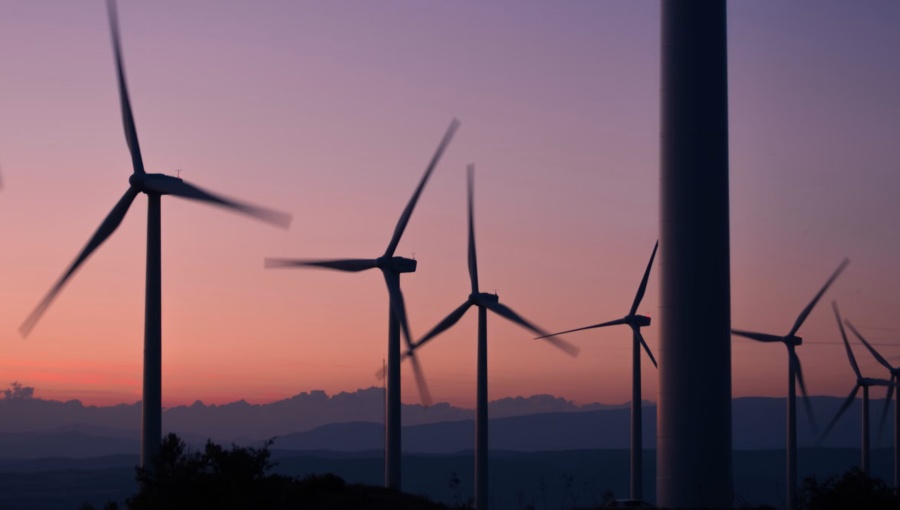
Despite some progress, challenges persist. Taiwan has developed a sizable renewable energy pipeline and aims to become Asia’s leading offshore wind market. However, issues such as delayed projects, complex permitting processes, and stringent local-content requirements have hindered advancement. Consequently, coal and LNG continue to play a significant role in the country’s energy landscape.
The Democratic Progressive Party (DPP) originally aimed for a 2025 electricity mix of 20% renewables, 50% LNG, and 30% coal. This target has now slipped, with officials acknowledging that the renewables goal may not be reached until after 2026, and some analysts deem it unrealistic.
Solar energy has accounted for much of the recent growth, with installed capacity jumping from virtually nothing in the mid-2010s to over 12 GW by the end of 2023. Projections suggest capacity could reach about 15.4 GW by the end of 2025, supported by feed-in tariffs and mandatory rooftop installations. However, geographic and political obstacles are emerging, particularly in densely populated areas where environmental concerns are causing heightened opposition to ground-mounted solar projects.
Offshore wind was expected to offset some of these limitations, with Taiwan boasting strong wind resources, particularly along the Taiwan Strait. However, local-content requirements and complex procurement rules have slowed progress. Issues such as prolonged approval times and the need for informal “gifts” at the local level have discouraged foreign developers, leading to further delays and cost overruns.
Despite these setbacks, Taiwan has operational offshore projects, including Formosa 1 and significant developments off Changhua County. Yet, the energy landscape remains heavily dominated by fossil fuels; coal accounts for approximately one-third of the overall electricity generation, with LNG emerging as a crucial balancing fuel as the country transitions from nuclear.
Taiwan’s vulnerability lies in its nearly complete reliance on energy imports, heightening concerns over disruptions in LNG shipping. This has been underscored by power outages that have sparked debates over whether the government prioritized political correctness over system resilience. Critics argue that a hasty nuclear exit, motivated by public fear after the Fukushima incident, has created reliability issues.
Under the new presidency of Lai Ching-te, the strategy largely remains unchanged, with continued emphasis on offshore wind, solar, and LNG. Rising electricity demands from the semiconductor sector pose increasing pressure for dependable energy solutions. Taiwan’s renewable energy transition now stands at a crossroads of environmental commitment and the urgent need for economic stability and reliable power supplies.
The content above is a summary. For more details, see the source article.









