Key Takeaways
- A Filipino research team is studying the effects of hypergravity on bioprinted bone cells using a Large Diameter Centrifuge.
- The initiative involves utilizing carrageenan, extracted from local red seaweed, to enhance the strength of bone scaffolds.
- If successful, this research could improve bone implants and support local seaweed farming communities.
Research Utilizing Hypergravity for Bone Cell Growth
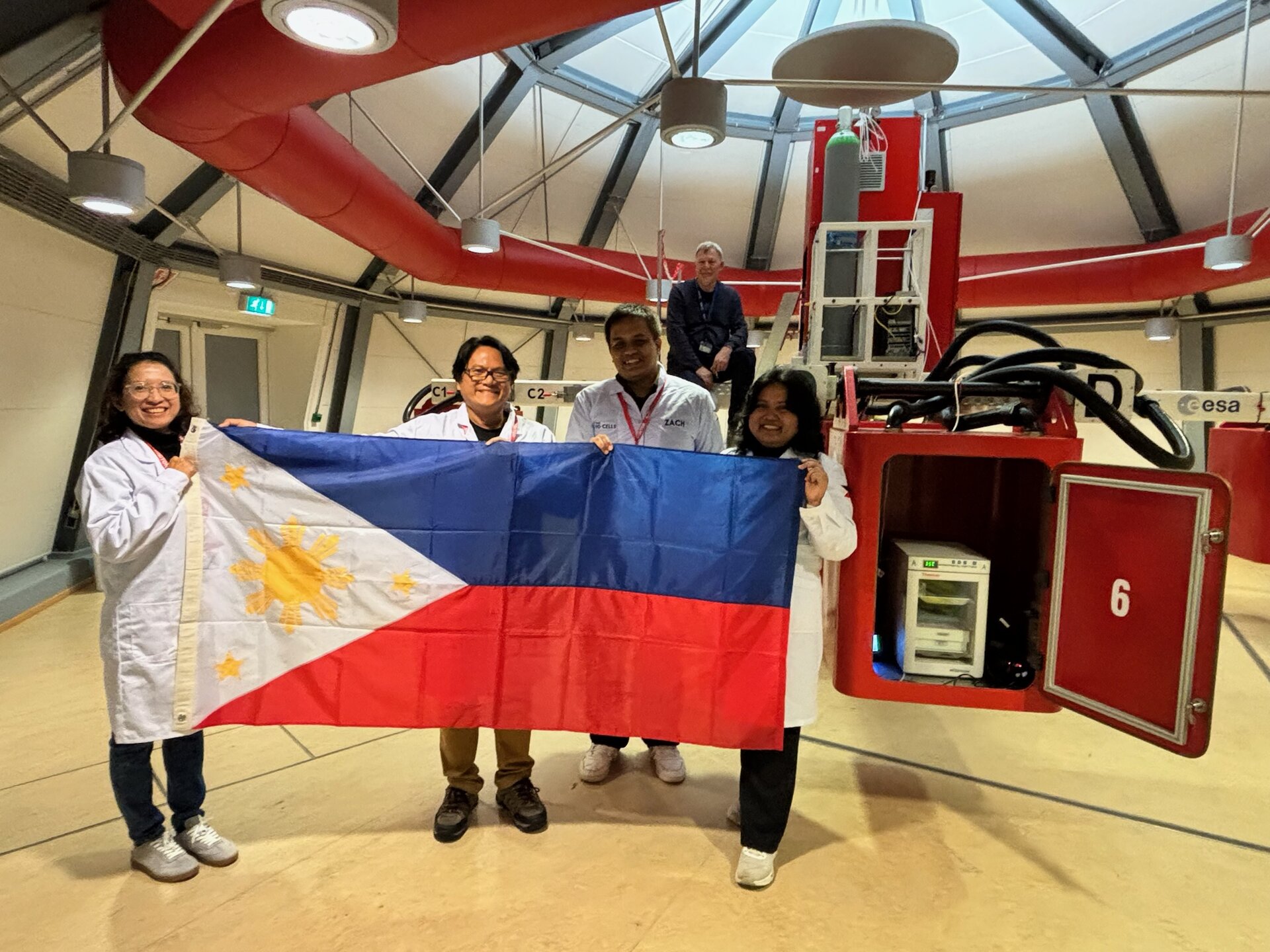
A team of researchers from the University of San Carlos and Holy Name University in the Philippines is exploring the effects of hypergravity on bioprinted bone cells. Using ESA’s Large Diameter Centrifuge (LDC) at the ESTEC technical center in the Netherlands, they aim to enhance bone implant technology while also supporting local seaweed farming communities.
This research group is testing bioprinted bone cells grown on specially designed 3D-printed scaffolds made from carrageenan, a thickening agent derived from red seaweed, which is abundant in tropical regions. The scientists believe that carrageenan could improve scaffold strength and that exposure to hypergravity may stimulate bone cell growth.
The LDC allows researchers to expose their samples to hypergravity levels up to 20 times that of Earth for extended periods. This creates a controlled environment to study the growth of bone cells under conditions that simulate the gravitational pressures experienced in space. Team leader Dr. Rommel Bacabac explained that they developed a “bio-ink” from red seaweed which was used to create the scaffolds mimicking the collagen structure of natural bone.
Their experimental design subjected bone cell samples to three different gravitational conditions: 24 hours at 15 G, three days at 7.5 G, and a brief one-hour exposure at the same intensity. Data collected will include gene expression levels to determine which genes were activated during the experiment and detailed imaging of the cells.
Analysis of the imaging data will be conducted in the Philippines, while gene expression data will be analyzed in collaboration with researchers at Vrije Universiteit Amsterdam and the University of Amsterdam. The potential success of hypergravity to stimulate cell growth could encourage the application of this method to other bio-inks being developed for various tissue types, such as muscle or skin.
The use of carrageenan not only aims to improve medical technology but also supports local economies. Dr. Hyacinth Suarez, a marine biologist on the team, emphasized that this beneficial research could bolster the income of seaweed farmers by opening new markets for carrageenan in tissue engineering.
Mami Sasamura from UNOOSA highlighted the impressive teamwork displayed by the Filipino researchers, noting their adaptability in addressing challenges during the experiment. Past research initiatives at the LDC have included various biological studies, each contributing valuable insights toward supporting space exploration and sustainable practices on Earth.
Through this program, the Philippines research team not only gains access to a state-of-the-art facility but also receives vital experience, which can elevate the country’s standing in the global scientific community. The hope is that this initiative will pave the way for advancements in both medical technology and community support in the Philippines.
The content above is a summary. For more details, see the source article.