Key Takeaways
- Astrophysicists suggest rocky planets with water may have formed earlier in the universe than previously thought.
- Planet formation likely began after supernovae created heavy elements necessary for rocky planet construction.
- The first known planet emerged about 1 billion years after the universe formed, while our solar system developed 9 billion years into the universe’s life.
Early Universe Conditions
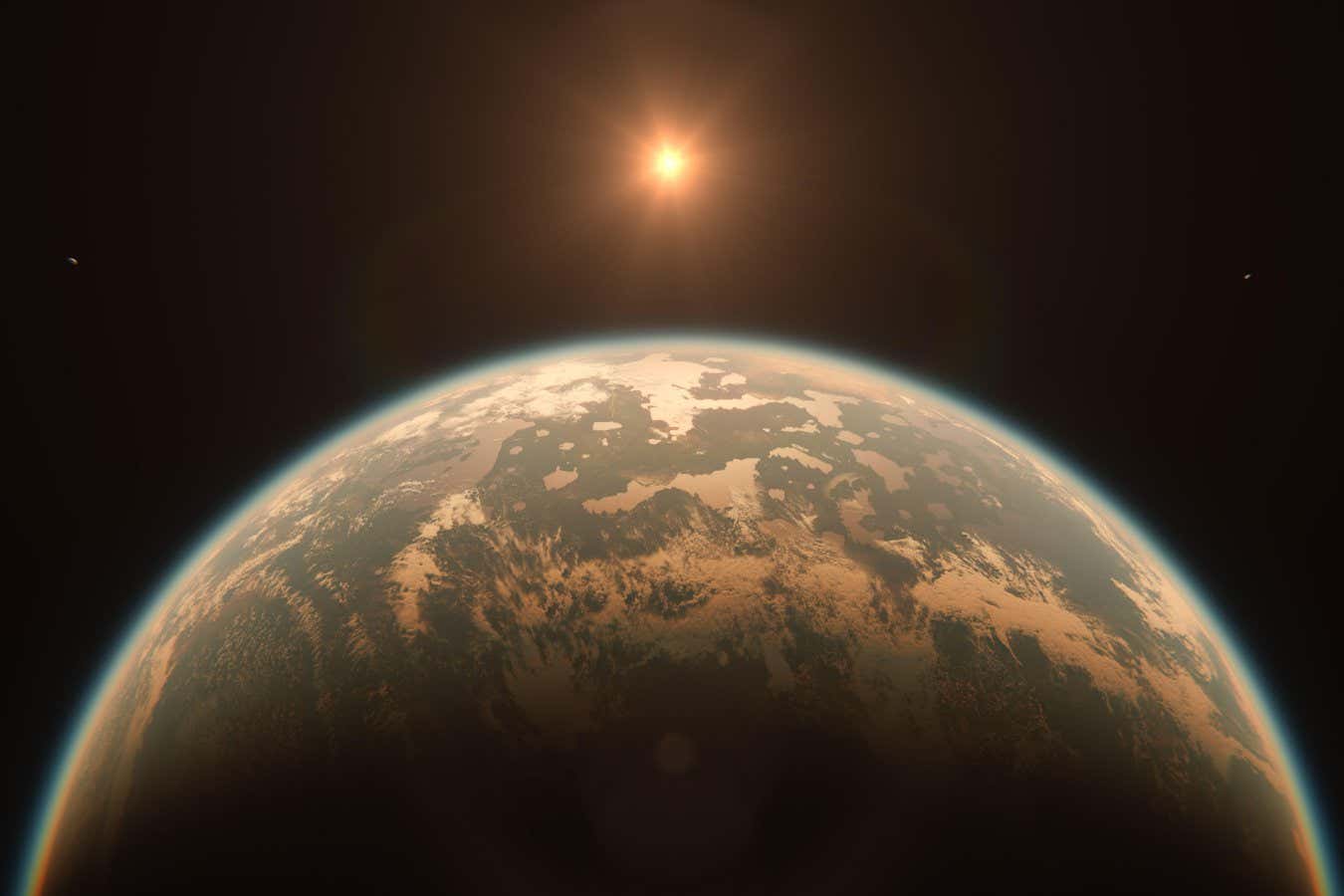
New research indicates that the conditions present in the early universe may have allowed for the formation of rocky planets, complete with water, much earlier than science had previously believed. This finding holds significant implications, suggesting that the emergence of life could have started sooner than previously estimated.
Astrophysicists have long understood that the formation of planets occurs when planetesimals, the essential building blocks of rocky planets, come together around stars. Traditional theories propose that this planet formation did not gain momentum until enough heavy elements were released into the universe by supernova explosions. These supernovae create the necessary elements that contribute to the formation of rocky planets like Earth.
The sun and its surrounding planets formed approximately 9 billion years after the Big Bang, a significant point in time that marked the development of the solar system. The oldest known planet, which has been recorded by scientists, was formed about 1 billion years into the universe’s life. However, the new hypotheses put forward by researchers suggest that the earliest formations of rocky planets could have taken place much sooner than these milestones indicate, thanks to the primordial conditions in the early cosmos.
The potential for earlier rocky planet formation raises intriguing questions about the existence of life in the universe. If these planets could form sooner, there may have been opportunities for life to emerge earlier as well, suggesting a richer, more expansive timeline for the development of habitable worlds. Understanding these processes provides context for assessing other planets light-years away that might possess similar features conducive to sustaining life.
Future studies and explorations within astrophysics will focus on uncovering more evidence regarding the timing and formation of these early rocky planets. The research could usher in a new understanding of planetary science, as astronomers and scientists seek to deepen their knowledge of the universe’s infancy and how it shaped the cosmos as it is known today.
This new perspective on early planet formation enhances the existing narrative surrounding the timeline of universal development, inviting further inquiry into the possibilities for life beyond Earth. By refining the understanding of when and how these planets formed, scientists may contribute valuable insights into the ultimate origins of life across the universe.
The content above is a summary. For more details, see the source article.