

Key Takeaways
- Asteroid 2024 YR4 has a 1.2% chance of impacting Earth on December 22, 2032, but is more likely to pass safely.
- The ESA and NASA are monitoring the asteroid, which is estimated to be between 40m and 100m wide.
- International response groups are preparing for potential impact scenarios, with ongoing observation efforts planned.
Monitoring Asteroid 2024 YR4
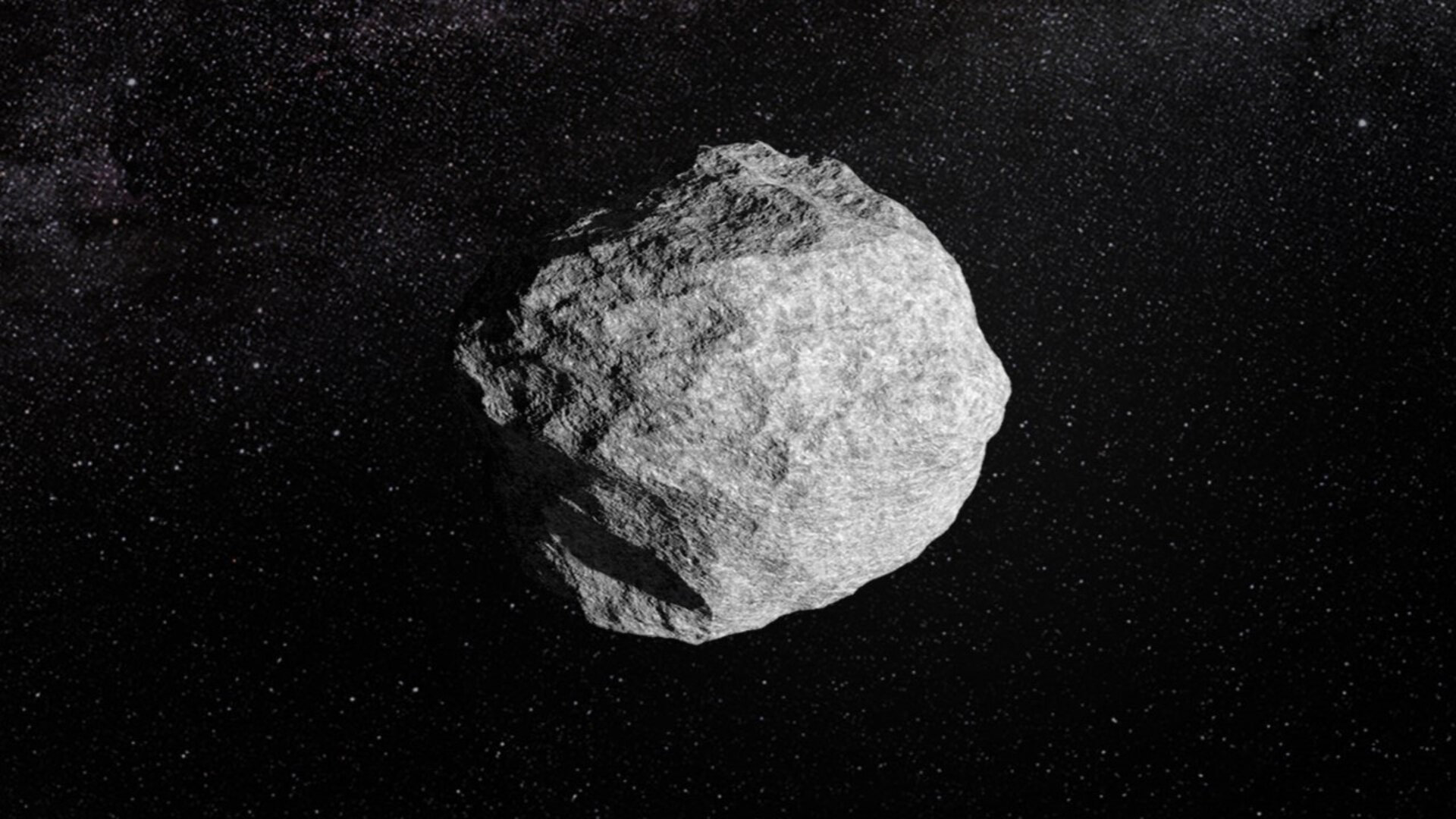
The European Space Agency (ESA) is keeping a close eye on asteroid 2024 YR4, recently discovered on December 27, 2024, by the Asteroid Terrestrial-impact Last Alert System (ATLAS) telescope in Chile. While initial assessments show a 1.2% chance of the asteroid impacting Earth on December 22, 2032, it has a nearly 99% probability of passing without incident.
Asteroid 2024 YR4 is estimated to measure between 40 and 100 meters in diameter. Objects of this size hit Earth approximately every few thousand years, potentially causing significant damage to localized areas. The asteroid has risen to the top of ESA’s risk list due to its potential threat level.
Since early January, astronomers have been conducting priority observations worldwide to refine estimates of the asteroid’s size and trajectory. As of the latest updates, the asteroid has been rated at Level 3 on the Torino Impact Hazard Scale, indicating a close encounter requiring attention.
The likelihood assessment of 2024 YR4’s impact can fluctuate with new observations; it often initially increases before ultimately declining as data improves.
International Coordination Efforts
Given the asteroid’s estimated size and growing probability of an impact, two international groups endorsed by the UN—the International Asteroid Warning Network (IAWN) and the Space Mission Planning Advisory Group (SMPAG)—are mobilizing to evaluate potential responses. IAWN, led by NASA, is dedicated to coordinating asteroid tracking and analysis. It will develop strategies for world governments to manage potential consequences and plan mitigation efforts if necessary.
ESA, a member of IAWN, is also coordinating additional observations and updating risk assessments related to this asteroid. Due to the asteroid’s elongated orbit, which makes tracking its trajectory challenging, it will soon become less visible from Earth, complicating ongoing observations. Data collection will peak with the usage of the European Southern Observatory’s Very Large Telescope in Chile.
Should asteroid 2024 YR4 fade from view before its impact probability can be entirely ruled out, it will remain on ESA’s risk list until its observations are resumed in 2028.
SMPAG, chaired by ESA, facilitates global cooperation in researching and planning responses to near-Earth threats. The group plans to meet in Vienna soon to discuss next steps. If the impact probability stays above the 1% threshold, SMPAG may recommend strategies to the UN, including potential spacecraft missions to mitigate any risk posed by 2024 YR4.
Ongoing advancements in asteroid survey technology will likely lead to more discoveries, improving the tracking of such near-Earth objects in the future. For continuous updates on asteroid risks and ESA’s observations, public interest and awareness are essential.
The content above is a summary. For more details, see the source article.