Key Takeaways
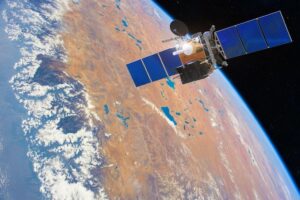
- Minsik Kim from Nara Space emphasizes the impact of satellite technology on climate monitoring and methane detection.
- South Korea is enhancing its role in the global space industry despite challenges in convincing industries to adopt space data.
- Kim argues that the benefits of utilizing space data far outweigh the initial hesitations from various sectors.
Revolutionizing Climate Monitoring
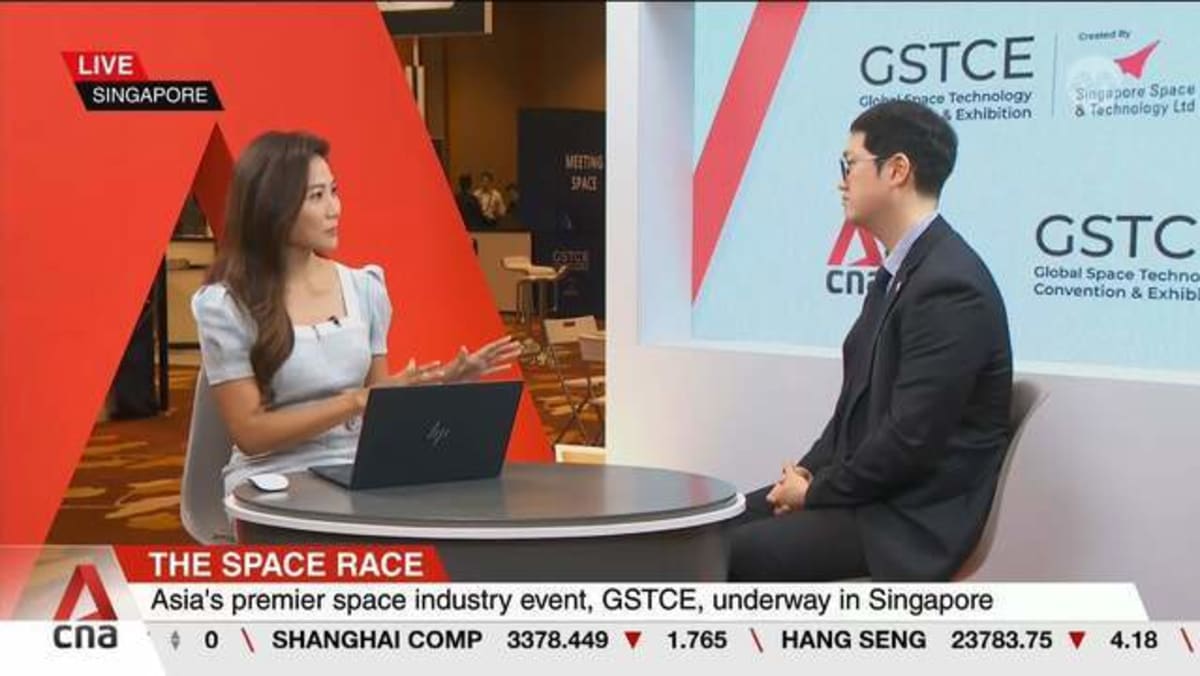
Minsik Kim, Co-founder and VP of Business Development at Nara Space, provided insights during the 17th Global Space Technology Convention & Exhibition (GSTCE) held in Singapore. He highlighted the transformative role of satellite technology in climate monitoring and methane detection, crucial components for addressing climate change challenges.
As South Korea enhances its presence in the global space industry, Kim noted the difficulties faced in persuading industries to leverage space-derived data. He believes that convincing various sectors to embrace this technology is essential for advancing solutions to environmental issues. The data obtained from satellites can provide valuable information that industries can utilize to improve their operations and sustainability efforts.
Kim asserted that the advantages of using satellite data significantly outweigh the initial reluctance observed among businesses. With data obtained from space, companies can gain insights that were previously unattainable, benefitting not only their operations but also contributing positively to global climate goals. By facilitating better monitoring and detection of greenhouse gases like methane, satellite technology plays a pivotal role in identifying and addressing climate-related challenges.
Further emphasizing the need for the adoption of satellite data, Kim pointed out that the technology can assist in developing more efficient practices across various industries, which is vital in the fight against climate issues. As climate change continues to threaten ecosystems and communities globally, such advancements in technology can offer innovative solutions.
Overall, the conversation with Kim highlighted the dual importance of technological advancement in space exploration and the necessity for the industries to adapt and utilize these innovations. South Korea’s commitment to expanding its capabilities in the space sector positions it as a key player in the future of climate monitoring and environmental protection, thus offering significant opportunities for growth and improvement.
The content above is a summary. For more details, see the source article.