Key Takeaways
- The Philippine Space Agency hosted a high-level EU delegation to enhance cooperation in space-based technologies.
- The visit focused on the Copernicus initiative, emphasizing its role in addressing climate resilience and environment monitoring in the Philippines.
- Partnerships aim to build local capacity in Earth Observation, positioning the Philippines as a hub for space technology in Southeast Asia.
Strengthening Space Collaboration
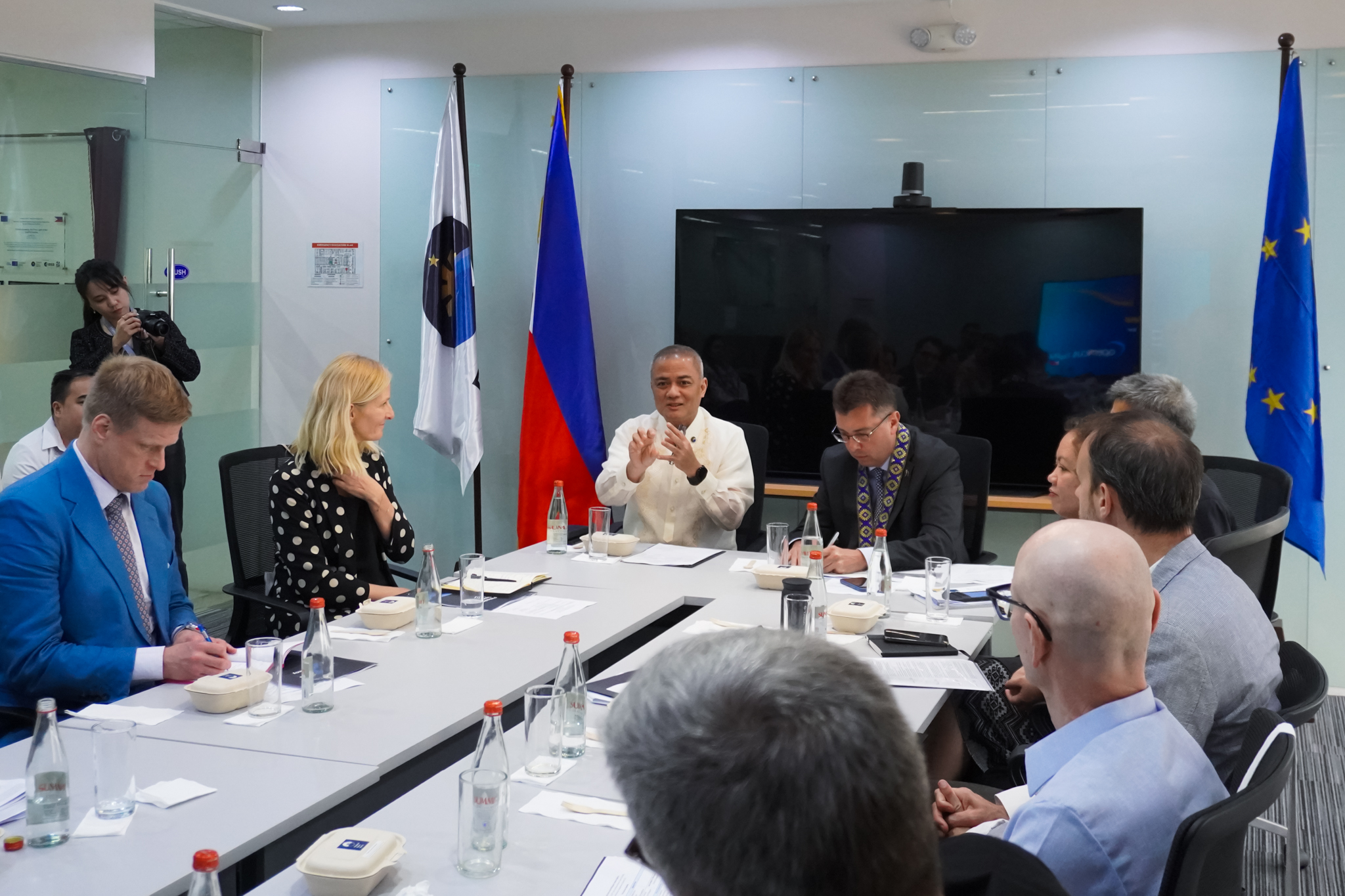
On April 2, 2025, the Philippine Space Agency (PhilSA) welcomed a significant delegation from the European Union (EU) as part of ongoing efforts to deepen collaboration in space-based technologies for sustainable development. Led by H.E. Massimo Santoro, the EU Ambassador to the Philippines, the delegation included representatives from 17 EU member states and emphasized the EU’s commitment to international partnerships through its Global Gateway strategy.
A primary focus of the visit was the National Copernicus Capacity Support Action Programme for the Philippines (CopPhil), a key initiative of the EU Space Programme launched in April 2023. The Copernicus programme provides free access to satellite data crucial for disaster risk reduction, environmental monitoring, and climate adaptation. In the Philippines, CopPhil enhances the usage of this data to improve climate resilience and biodiversity conservation.
The CopPhil initiative features three main components:
1. **Copernicus Data Centre**: Opened in October 2024, this facility is Southeast Asia’s first Copernicus data hub, facilitating vital access to satellite information.
2. **Earth Observation Pilot Services**: Custom services support areas such as ground motion monitoring, land use mapping, and marine habitat assessments to aid environmental efforts.
3. **Capacity Building and Knowledge Transfer**: Initiatives include training and scholarships for Filipino officials in Earth Observation and remote sensing, ensuring sustainable development of space technologies.
PhilSA is at the forefront of the Philippines’ efforts to leverage space-based technologies for national development. Through CopPhil, it is bolstering the infrastructure and human resources necessary to utilize space data effectively, with applications spanning agriculture, environmental monitoring, and disaster management.
Dr. Joel Joseph S. Marciano Jr., Director General of PhilSA, highlighted the importance of these EU partnerships, stating that they are crucial for enhancing the Philippines’ capacity in space innovation and positioning the country as a regional Earth Observation hub.
Ambassador Santoro also emphasized that CopPhil exemplifies how the EU’s Global Gateway strategy fosters sustainable international cooperation, leading to customized solutions that meet national needs.
The visit underscored a mutual commitment to harness space technology for societal benefits, reinforcing the importance of global collaboration in tackling pressing challenges.
The content above is a summary. For more details, see the source article.