Key Takeaways
- Winter weather in early January 2026 brought dense fog and cold temperatures across the Indo-Gangetic Plain.
- Fog severely disrupted transportation, resulting in flight diversions at Dhaka airport and travel delays in northern and eastern India.
- The phenomenon of radiation fog is common in the region during this time, caused by cool temperatures and abundant moisture.
Severe Winter Weather Impacting the Indo-Gangetic Plain
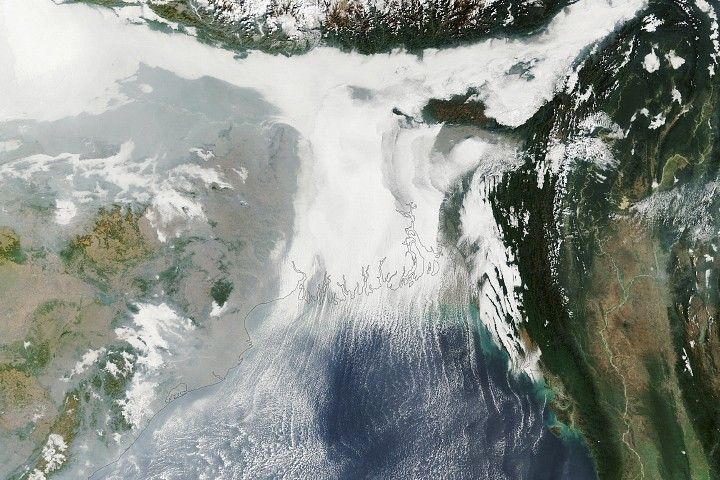
In early January 2026, the Indo-Gangetic Plain experienced significant winter weather, characterized by dense fog and plummeting temperatures across the region, which includes parts of Pakistan, northern India, and Bangladesh. On January 6, a satellite image from NASA’s Terra captured a scene of low-lying clouds blanketing the area, highlighting the impact of cold conditions.
The dense fog, particularly radiation fog, occurs during this season due to several meteorological factors. Ground temperatures drop, winds become light, and moisture rises near the surface, creating ideal conditions for fog formation. Meteorological departments in Bangladesh and India reported forecasts ranging from moderate to very dense fog over the affected areas amid a persistent cold wave.
Compounding the visibility issues, low-level clouds known as “cloud streets” formed, creating long, parallel formations over the Bay of Bengal. These structures arise when cold air moves over warmer water, allowing moisture and heat to cause thermals that rise until they hit a thermal inversion, leading to cloud formation where the air ascends.
Despite the scenic nature of the fog when viewed from above, it has created substantial disruptions for those on the ground. Notably, Dhaka’s international airport faced significant operational challenges due to the heavy fog, leading to multiple flight diversions. Reports indicated similar disruptions, alongside travel delays on roadways and railways, particularly in northern, central, and eastern India.
The meteorological conditions contributing to this foggy weather are typical for this time of year, but the scale of the disruptions, especially for travel and daily activities, has been notably severe. Authorities and transport sectors continue to work on mitigating the delays and ensuring the safety of travelers amidst the ongoing adverse weather conditions.
The content above is a summary. For more details, see the source article.