Key Takeaways
- NASA’s Technology Transfer program promotes innovations for Earth from space exploration efforts.
- Spinoff 2026 highlights technologies supporting lunar missions that also provide Earth applications, including affordable housing and robotic automation.
- New technologies resulting from NASA’s research improve various sectors, from medicine to food safety, benefiting everyday life.
Innovations Beyond Earth
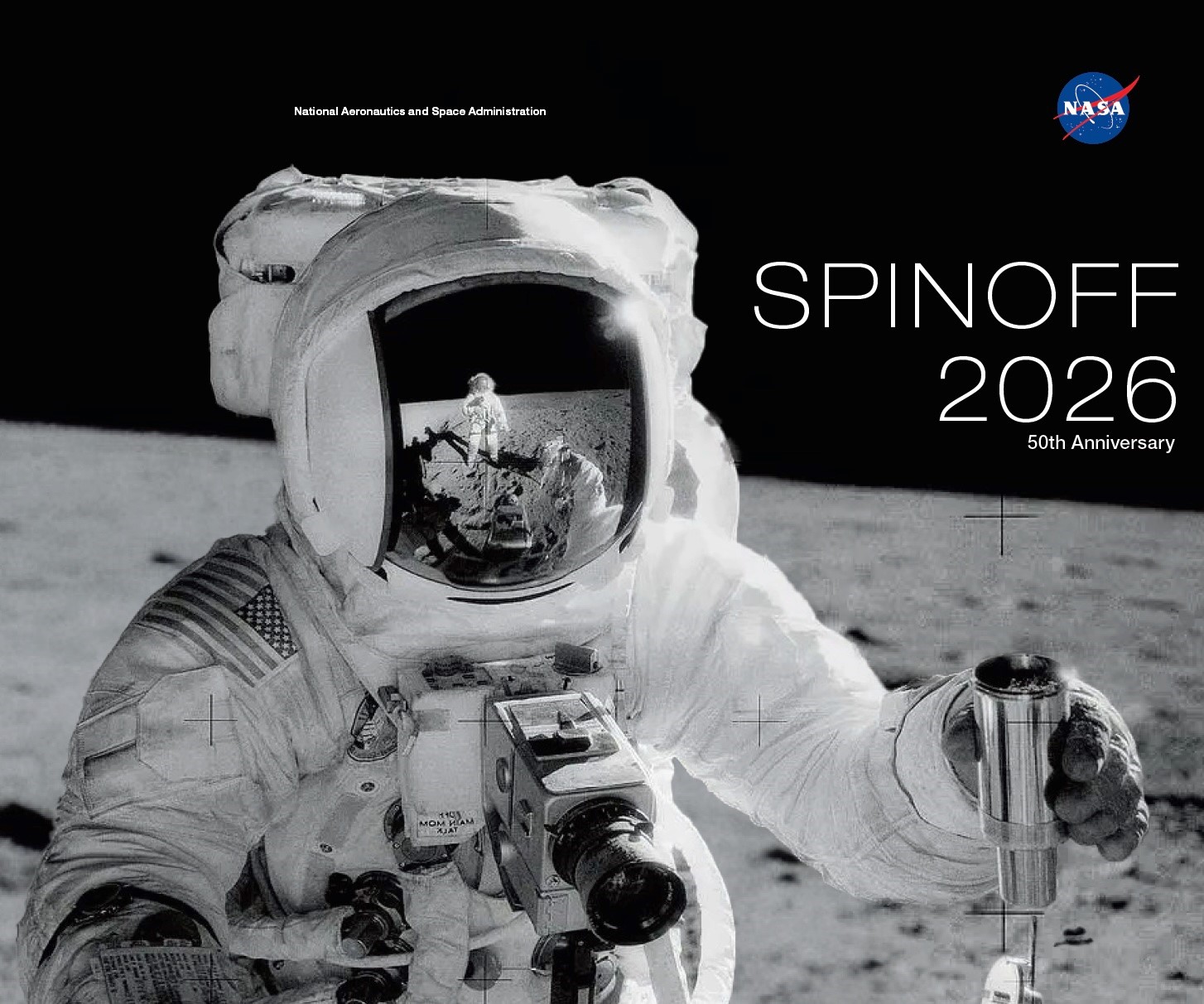
NASA’s Technology Transfer program aims to share space exploration innovations with businesses and the public. For 50 years, the agency’s Spinoff publication has showcased how space technology enhances life on Earth. NASA Administrator Jared Isaacman emphasizes that technology developed for missions, such as lunar exploration and Mars preparations, leads to benefits in medicine, agriculture, and more.
The latest edition of Spinoff features two companies using 3D printing technology to construct habitats for extraterrestrial environments. One company produces custom wall panels and facades, while the other focuses on manufacturing affordable housing. NASA envisions a future where robots assist astronauts with routine tasks during lunar missions, with featured companies creating software to power cleaning robots and a humanoid robot designed for warehouse functions.
Dan Lockney, NASA’s Technology Transfer executive, notes the potential for innovation not just from lunar missions but also future explorations of celestial bodies like Saturn’s moon Titan.
NASA’s technological advancements have also led to lifesaving inventions. For example, a heart monitor designed for astronauts is now used for patients with heart failure. Similarly, improvements in personal locator beacons for search and rescue are based on NASA’s satellite communication technology.
Several standout technologies originated from NASA’s research. Food safety procedures developed during the Apollo missions now inform global food production standards. Other innovations include memory foam, which comes from materials engineered for aircraft seats, and miniaturized cameras that form the basis of modern digital imaging. Additionally, scratch-resistant coatings and wireless headsets trace their origins back to NASA technologies.
The latest edition invites readers to explore 20 commercial-ready technologies in its “Spinoffs of Tomorrow” section, highlighting opportunities for business partnerships and licensing from NASA’s Patent Portfolio.
Spinoff is part of NASA’s Space Technology Mission Directorate, focusing on maximizing the societal benefits of agency-funded technologies through collaborative efforts.
To access the 50th edition of Spinoff, visit: Spinoff 2026.
The content above is a summary. For more details, see the source article.