Key Takeaways
- Nasa has detected a helium-flow interruption in the Artemis 2 Space Launch System (SLS) rocket, delaying the launch.
- The launch window runs from March 6 to March 11, but if delayed, the next opportunities won’t be until late April.
- The rollback to the Vehicle Assembly Building (VAB) for repairs is anticipated, impacting the timeline for the mission.
Launch Delay for Artemis 2 Moon Mission
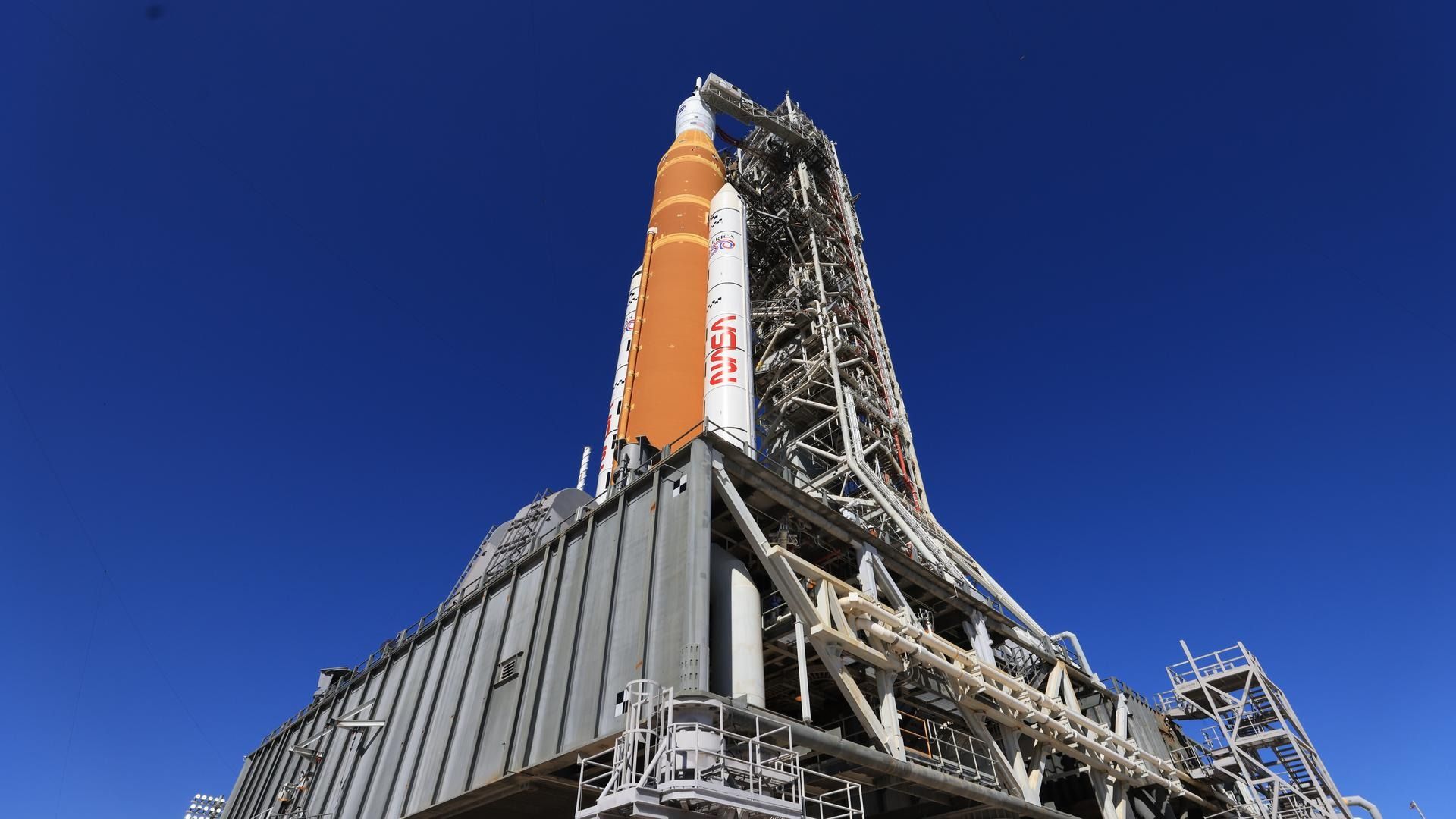
NASA’s Artemis 2 moon mission may face delays due to a helium-flow interruption detected in the Space Launch System (SLS) rocket. The issue was identified early Saturday morning while the rocket was on Pad 39B at Kennedy Space Center in Florida. Emergency protocols point to a likely need for the rocket to return to the Vehicle Assembly Building (VAB) for troubleshooting.
NASA Administrator Jared Isaacman indicated that this problem could significantly affect the upcoming launch window, which is scheduled from March 6 to March 9. An additional opportunity exists on March 11. If Artemis 2 cannot meet these dates, the next possible launch windows won’t be available until late April, with target dates of April 1, 3-6, and 30.
The announcement of the problem came as a surprise, particularly because a day earlier, NASA had just revealed its intention to target March 6 for launch after positive assessments from the mission’s second wet dress rehearsal (WDR). The WDR is a critical practice run that includes fueling operations. Final preparations for the mission were largely successful, especially after overcoming earlier liquid hydrogen leaks that had affected previous Artemis missions.
At a press conference, Artemis 2 team members noted that only a few significant milestones remained for launch readiness. These included the completion of a flight readiness review and the installation of two “contingency pad access” trusses on the mobile launch tower, intended for testing the flight termination system. According to NASA officials, these trusses had been installed on Friday but will likely need to be removed soon to accommodate troubleshooting efforts.
NASA officials assured the public that teams are actively engaged in evaluating the current situation, preparing for a rollback, while also keeping an eye on weather conditions that could affect operations. High winds were forecasted for the coming days, which adds another layer of complexity to the logistics surrounding the SLS rocket’s preparations.
In sum, while the Artemis 2 mission holds the promise of being NASA’s first crewed mission beyond low Earth orbit since the Apollo program, technical challenges and safety considerations continue to shape its timeline. The involvement of three NASA astronauts and one Canadian astronaut for a ten-day mission around the moon stands at the forefront of NASA’s aspirations for lunar exploration in the coming years. As the situation develops, updates will be provided to keep stakeholders and the public informed.
The content above is a summary. For more details, see the source article.