Key Takeaways
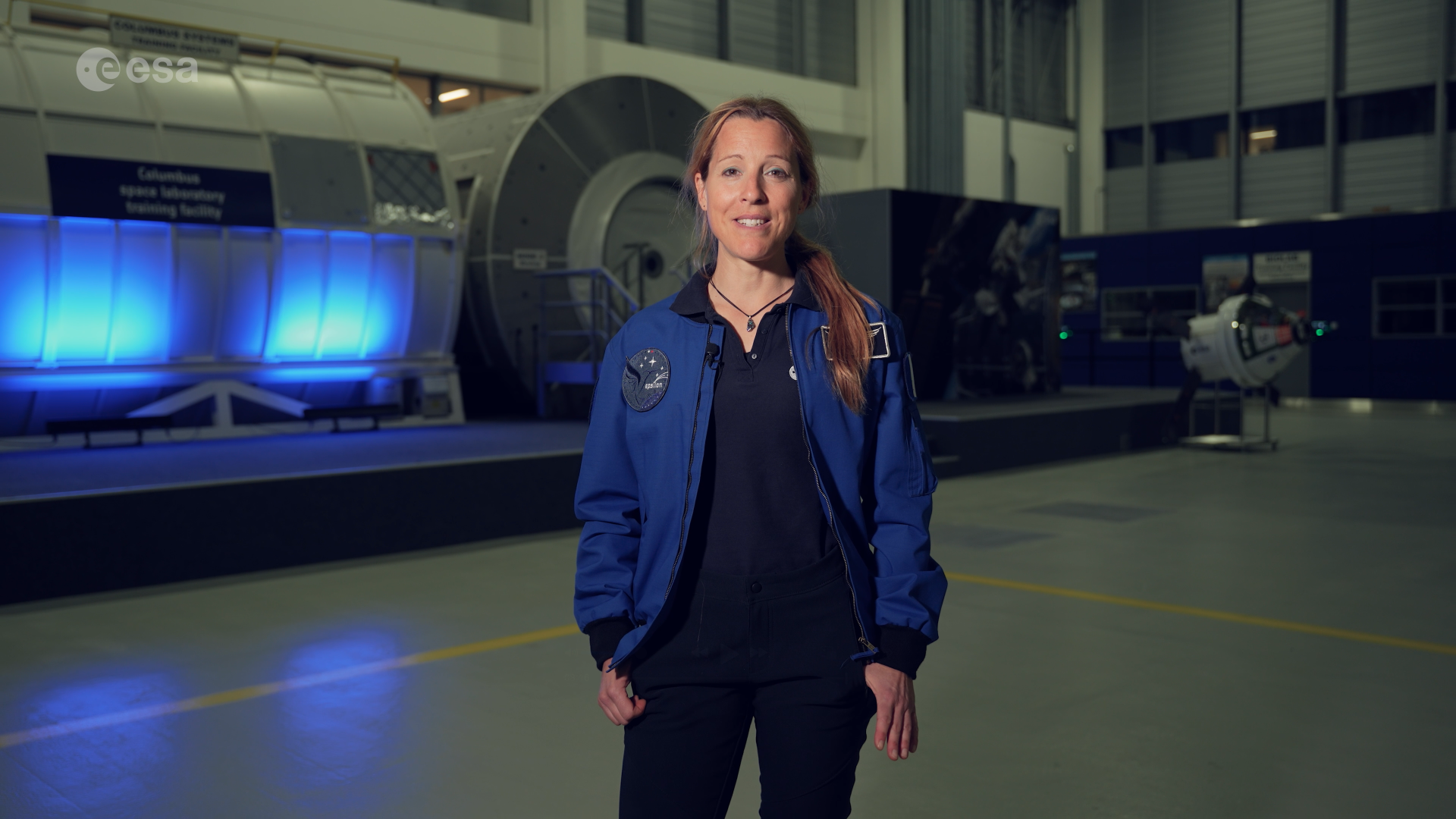
- Sophie Adenot, born in France in 1982, is an accomplished engineer and helicopter test pilot.
- She became an ESA astronaut in 2022 and finished her basic training in 2024.
- Adenot launched to the International Space Station on 13 February 2026 for her inaugural mission, εpsilon.
Background and Achievements
Sophie Adenot, an accomplished professional in aviation and aerospace, was born in France in 1982. With a strong educational background in engineering, she has carved out a notable career as a helicopter test pilot and currently holds the rank of colonel in the French Air and Space Force.
In 2022, Adenot’s expertise and contributions to the field led to her selection as a European Space Agency (ESA) astronaut. This prestigious role marks a significant milestone in her career, reflecting her extensive training and experience. By 2024, she successfully completed her basic training at the European Astronaut Centre, equipping her with the necessary skills and knowledge for future space missions.
Adenot’s journey into space culminated on 13 February 2026, when she launched to the International Space Station (ISS) as part of her first mission, designated εpsilon. This mission represents not only a personal achievement for Adenot but also emphasizes the growing contributions of women in the field of space exploration.
As a trailblazer, Adenot’s role serves as an inspiration for aspiring engineers and pilots, showcasing the possibilities that lie in the intersection of engineering, military service, and space exploration. Her experiences are anticipated to contribute significantly to various research initiatives onboard the ISS, demonstrating the importance of collaboration in scientific advancement.
Adenot’s background and ongoing endeavors underline an exciting era in space exploration, signifying the continuing evolution of astronautics as a field that values diverse talents and expertise. As her mission progresses, it is expected to shed light on various aspects of human capabilities in space, paving the way for future female astronauts and engineers.
The content above is a summary. For more details, see the source article.