Key Takeaways
- The Vietnam-Japan Space Horizons 2026 Forum aims to strengthen cooperation in space technology between the two nations.
- Prime Minister Pham Minh Chinh emphasized Vietnam’s commitment to space technology for peaceful purposes and outlined ambitious development goals.
- The Vietnam Space Centre (VNSC) is set to become a core infrastructure for advancing Vietnam’s space science and technology capabilities.
Vietnam-Japan Space Cooperation Forum Launches New Era
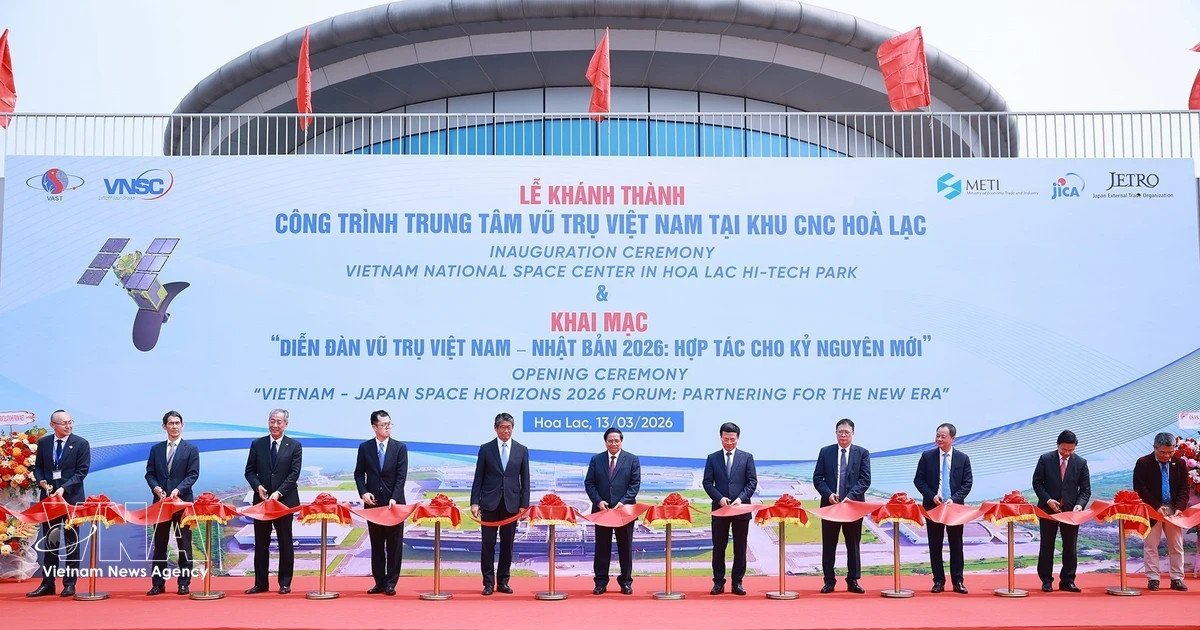
During the opening of the Vietnam-Japan Space Horizons 2026 Forum in Hanoi on March 13, Prime Minister Pham Minh Chinh highlighted the importance of Vietnam’s space development spurred by innovation and international partnerships. The forum, running from March 12-15, has brought together officials and experts from both countries to deepen collaboration in space technology and support Vietnam’s burgeoning space economy.
The inauguration of the Vietnam Space Centre (VNSC) at Hoa Lac Hi-Tech Park represents a major milestone in enhancing Vietnam’s capabilities in space science. The PM acknowledged Japan’s significant support, which has bolstered cooperation and laid the groundwork for future advancements between the two countries. He noted Vietnam’s historical connection to space exploration, dating back to hero Pham Tuan’s flight in 1980, and underscored recent achievements in satellite development, including the launches of the PicoDragon, MicroDragon, and NanoDragon satellites.
Vietnam is strategizing to position itself as a mid-level player in space technology within Southeast Asia by 2030, with goals to innovate in satellite technologies and meet national security needs. The government aims to improve frameworks governing space activities, establish a national space law, and foster an ecosystem for satellite data services, driven by collaboration among the state, enterprises, and research institutions.
The PM tasked the Vietnam Academy of Science and Technology with effectively operating the VNSC and ensuring it becomes a foundational hub for research and technology transfer. Future cooperation priorities include high-quality human resource training, satellite operations, and practical applications of remote sensing technologies.
In addition to launching the upcoming LOTUSat-1 satellite by the end of 2027, Vietnam and Japan plan to build long-term capabilities in earth observation and satellite systems. PM Chinh encouraged stakeholders from various sectors to deepen ties within the global space industry and engage in international platforms to strengthen bilateral relations in space technology.
Japanese representatives underscored the growing Comprehensive Strategic Partnership, stating that collaboration in science, technology, and innovation is key to achieving sustained development. They reiterated their commitment to supporting Vietnam’s peaceful utilization of space technology, particularly in areas like disaster prevention and climate change.
Before the forum, PM Chinh toured the VNSC’s satellite control center and the satellite research area, underscoring the center’s role in monitoring satellites and enhancing Vietnam’s technological independence. The VNSC, funded by Japanese ODA loans, will facilitate training personnel and achieving capabilities for earth observation that aid in disaster resilience and socio-economic development.
The content above is a summary. For more details, see the source article.