Key Takeaways
- The interstellar comet 3I/ATLAS features unprecedented levels of water and carbon molecules, indicating it formed around an ancient star.
- Its age is estimated to be 8 billion years, nearly twice that of the sun, with deuterium levels over 40 times higher than in Earth’s oceans.
- Low carbon-13 levels suggest it formed in a period with fewer supernovae, indicating a stellar formation context older than our solar system.
Unusual Characteristics of 3I/ATLAS
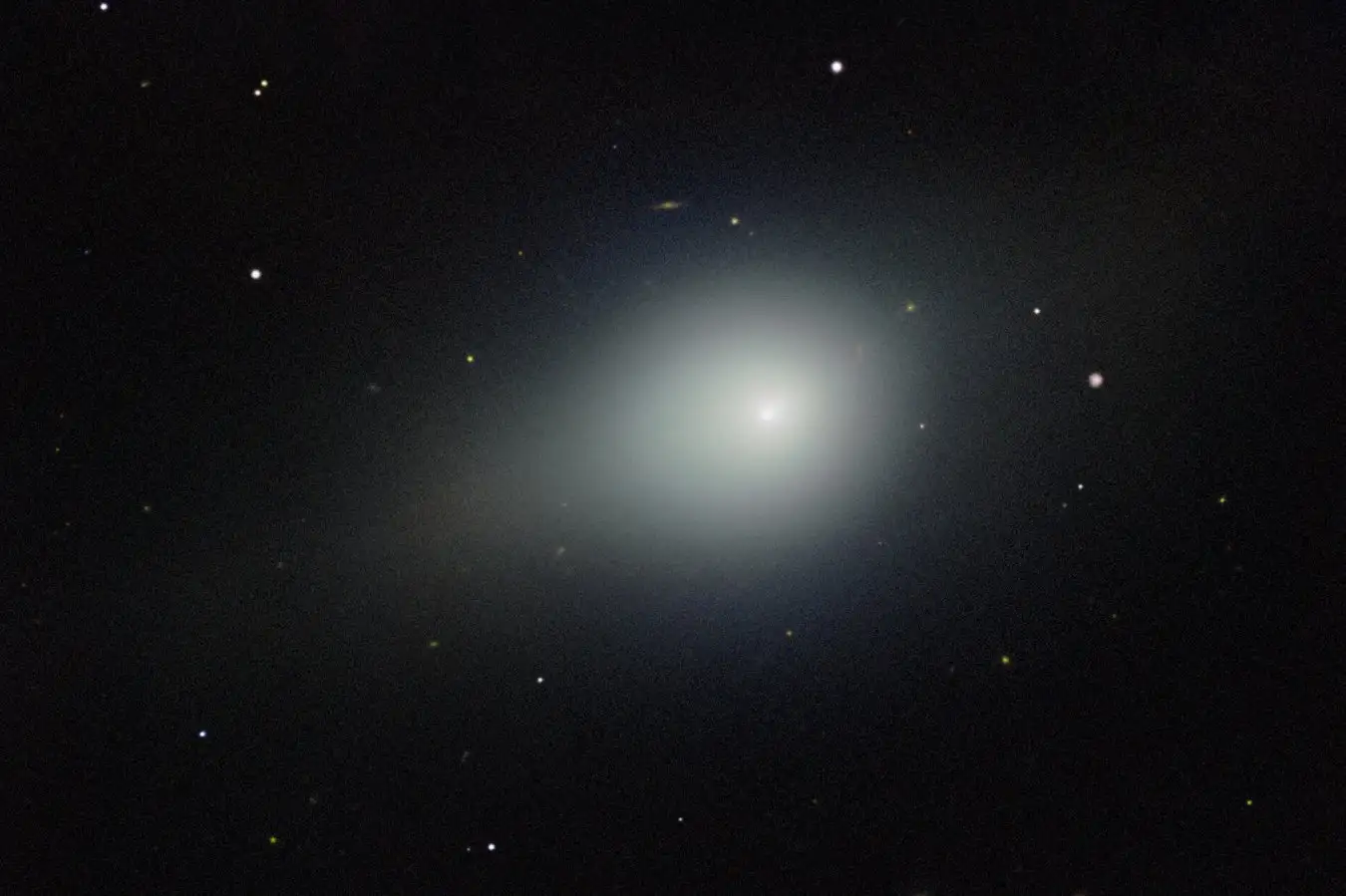
The interstellar comet 3I/ATLAS is captivating astronomers with its unusual composition and age. Observations indicate that it contains water and carbon molecules at levels not previously recorded within our solar system. This discovery implies that the comet originated from a star system that is significantly older and different from our sun.
Since its arrival in the solar system last year, 3I/ATLAS has been under continuous observation. Researchers, led by Martin Cordiner of NASA’s Goddard Space Flight Center, have reported that its aging estimates are around 8 billion years. Notably, the comet boasts remarkably high levels of deuterium, a heavier form of hydrogen, at least ten times greater than any previously examined comet.
Deuterium is naturally present in Earth’s oceans, albeit in small quantities. However, the concentration found in 3I/ATLAS surpasses that found on Earth by over 40-fold. Cordiner commented on the comet’s intriguing composition, stating, “3I/ATLAS continues to astonish us with what it reveals about the similarities and differences of its host system compared with our own solar system.” These observations were made possible through the advanced capabilities of the James Webb Space Telescope.
Experts, including Paul Hartogh from the Max Planck Institute, have labeled the deuterium-to-hydrogen ratio in 3I/ATLAS’s water as highly unusual and unexpected. Ewine van Dishoeck from Leiden Observatory adds that such high deuterium levels are generally linked to the coldest regions of the Milky Way. This suggests that 3I/ATLAS likely formed in the outer regions of the star’s disc, which may explain its ejection into our solar system.
Additionally, Cordiner and his team detected low levels of carbon-13 in the comet. Carbon-13, a variant of carbon produced following supernova events, typically signifies stellar activity. The low concentration of carbon-13 in 3I/ATLAS indicates it was formed during a time in galactic history with fewer supernovae, suggesting that its host star system is between 10 billion and 12 billion years old, substantially older than the sun. Despite these insights, Dishoeck notes that the precision in measuring carbon levels restricts definitive conclusions about the comet’s exact age.
As studies of 3I/ATLAS continue, it not only expands understanding of cometary science but also offers a new perspective on the formation and evolution of celestial bodies in our universe.
The content above is a summary. For more details, see the source article.