Key Takeaways
- The Morrill fire in Nebraska became the largest wildfire in state history, burning over 640,000 acres within a week.
- As of March 27, 2026, wildfires across the U.S. had burned over 1.5 million acres, significantly above the 10-year average.
- Conditions such as dry fuels and below-average precipitation contributed to rapid fire growth in the Great Plains region.
Wildfires Ravage Nebraska in March 2026
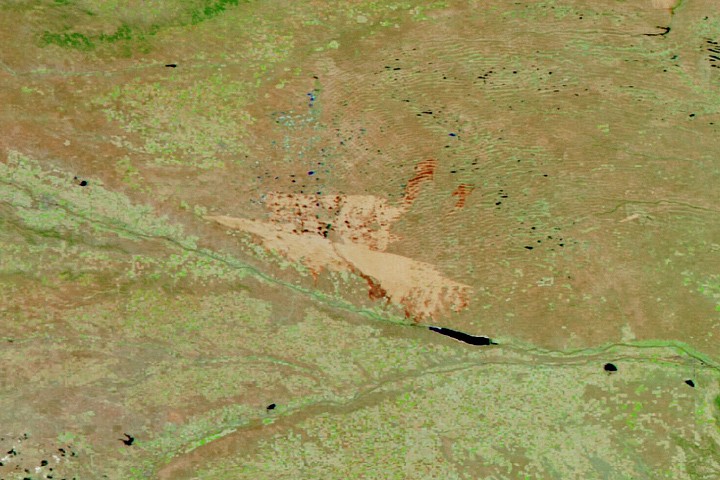
On March 12, 2026, a devastating wildland fire ignited in Morrill County, Nebraska, rapidly spreading across 70 miles within 12 hours due to high winds. This fire, known as the Morrill fire, burned over 640,000 acres by the end of the week, marking it as the largest wildfire in Nebraska’s history.
By March 29, reports indicated that the Morrill fire was fully contained. However, crews were still combating two smaller fires—referred to as the Ashby and Minor fires—that flared up on March 26. Satellite imagery displayed the extensive burned areas near the North Platte River, highlighting the scale of destruction caused by these blazes.
The year 2026 began with an alarming trend for wildfires in the U.S., with the National Interagency Fire Center (NIFC) documenting 15,436 fires that consumed 1,510,973 acres as of March 27. This figure far exceeds the ten-year average, which recorded 9,195 fires burning 664,792 acres during the same timeframe.
The Great Plains region has experienced particularly intense fire activity in early 2026. Contributing factors included exceptionally dry weather, warmer-than-usual temperatures, and significantly below-average precipitation over three months, which resulted in low soil moisture levels and highly flammable grasses. The NIFC noted that these conditions led to rapid fire growth and atypical fire behavior for this period of the year.
The impact of the fires on local communities has been severe. Extensive ranch and pasture lands were affected, along with numerous homes, barns, and fences that were either damaged or destroyed. Livestock faced injury and fatalities, compounding the crisis for local farmers. One of the key environmental losses was the burning of large portions of the Crescent Lake National Wildlife Refuge in the Nebraska Sandhills, an essential habitat for migratory birds.
Despite the destruction, reports confirmed that hundreds of thousands of sandhill cranes continued their annual migration through the Platte River valley, demonstrating resilience in nature amid the devastation.
The fire season of 2026 serves as a stark reminder of changing climatic conditions and the increasing frequency and intensity of wildfires in the United States. The need for proactive measures to manage land and address fire risks has never been more urgent as states face the challenges posed by drought and rapid fire spread.
The content above is a summary. For more details, see the source article.