Key Takeaways
- Thirteen European satellites launched on a SpaceX Falcon-9 rocket enhance monitoring capabilities for Italy and Greece.
- The Hellenic Fire System satellites represent a world-first for national satellite wildfire detection.
- CubeSats in the Hellenic Space Dawn mission will test advanced satellite connectivity technology.
Launch Overview
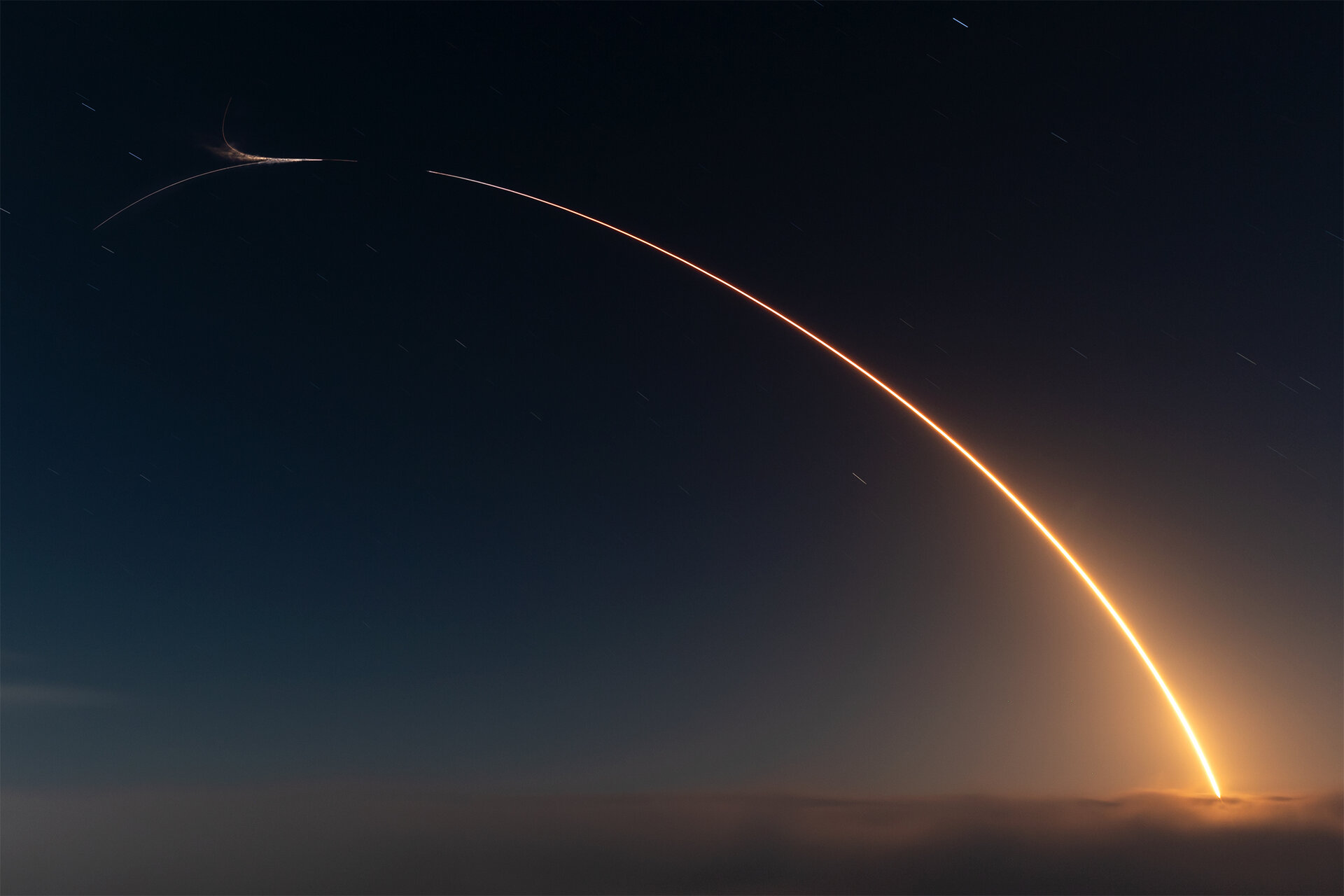
On May 3, 2026, a SpaceX Falcon-9 rocket successfully launched thirteen European satellites, enhancing Earth monitoring efforts for Italy and Greece. This mission included seven satellites as part of Italy’s IRIDE Earth observation programme, four satellites for Greece’s Hellenic Fire System, and two CubeSats for the Hellenic Space Dawn initiative.
IRIDE Earth Observation Programme
The seven added satellites boost the Hawk for Earth Observation (HEO) constellation, part of Italy’s IRIDE programme. Developed by Argotec and funded under Italy’s National Recovery and Resilience Plan, these new satellites bring the total in orbit to 31. They provide multispectral and high-resolution imaging, aiding public authorities in managing coastal areas, land use, and emergency services.
Simonetta Cheli, Director of ESA’s Earth Observation Programmes, emphasized the launch as a significant milestone, praising collaborative efforts between ESA, the Italian Space Agency (ASI), and Argotec.
Innovative Hellenic Fire System
The four satellites for the Hellenic Fire System are designed for wildfire detection. This mission, developed through collaboration between the Greek government, the private company OroraTech, and ESA, marks a significant advancement in Greece’s satellite capabilities. Ultimately, the program will consist of 13 satellites, focusing on disaster response and environmental monitoring.
Laurent Jaffart, Director of ESA’s Resilience, Navigation and Connectivity, highlighted the importance of this initiative in strengthening national satellite technology and services, enhancing economic growth and disaster management.
CubeSats in Hellenic Space Dawn
The Hellenic Space Dawn mission includes two CubeSats named Helios and Selene, which carry advanced CubeCAT laser terminals. These terminals enable swift data transmission of up to 1 Gbps between satellites and Earth. The CubeSats will also feature high-resolution cameras for applications such as cartography and land-use analysis, further expanding Greece’s satellite capabilities.
The overall initiative not only showcases technological progress but also supports broader European goals for satellite connectivity and operational efficiency. ESA’s involvement underscores the commitment to fostering innovation that serves national interests while promoting collaborative space solutions across Europe.
The content above is a summary. For more details, see the source article.