Key Takeaways
- The Dryden Aeronautical Test Range (DATR) enhances safety and efficiency for NASA’s flight research missions.
- Modernization efforts are underway to improve real-time data processing capabilities for various aircraft and missions.
- The DATR is a critical component of NASA’s communication system for International Space Station operations.
NASA’s Dryden Aeronautical Test Range Enhances Flight Research
NASA is advancing aeronautics and space technologies through the Armstrong Flight Research Center in California, supported by the Dryden Aeronautical Test Range (DATR). This facility provides essential communications, tracking, and data services for all research flights, ensuring missions are safe and effective.
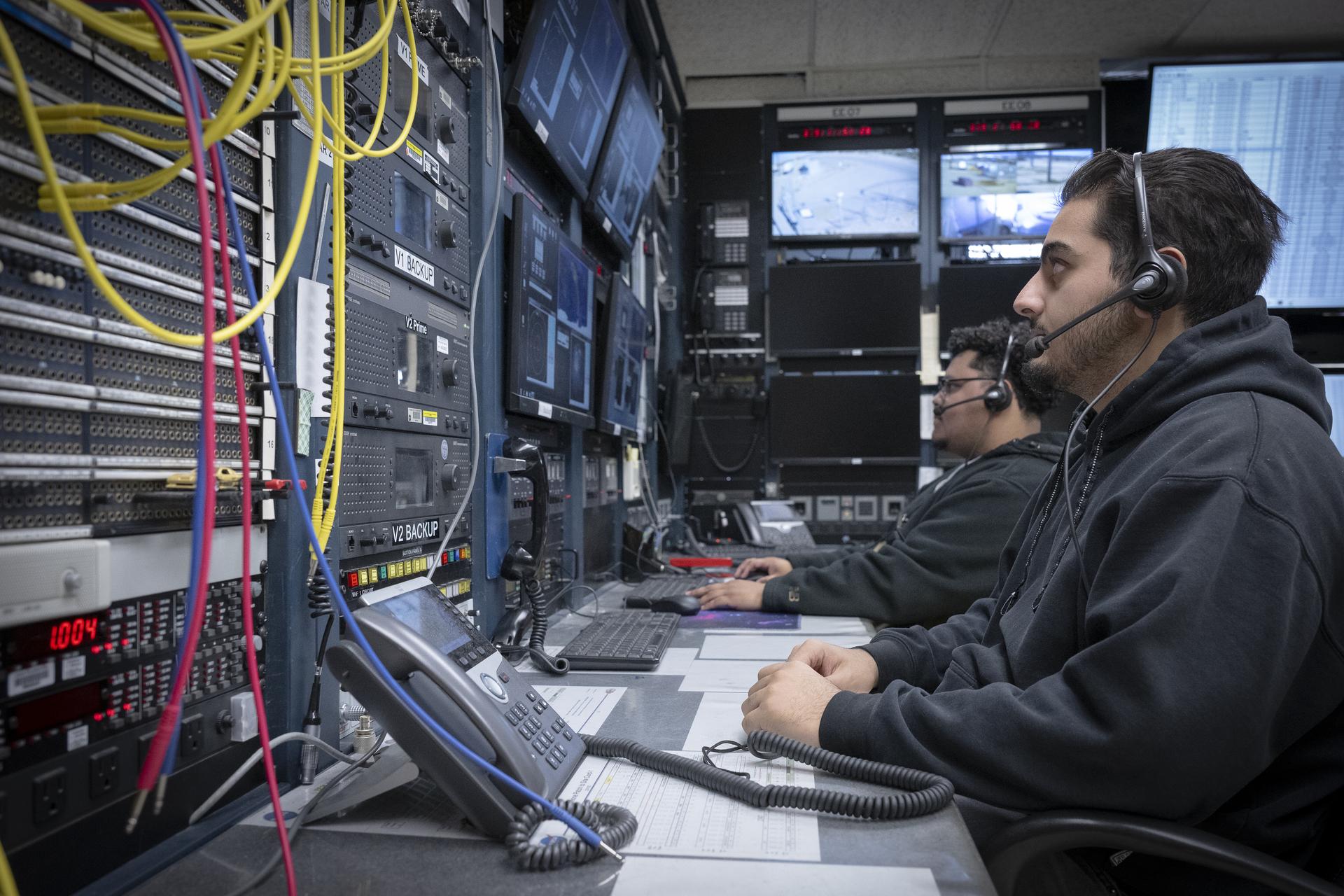
The DATR’s modern capabilities include radar, telemetry, and video services that capture ground and long-range flight footage. As part of ongoing modernization efforts initiated in the early 2020s, the range is set to support cutting-edge projects like the X-59 quiet supersonic research aircraft and spaceflight communications. Tara McCoy, acting deputy director of DATR Mission Operations, highlighted how real-time data and situational awareness significantly enhance flight research safety and efficiency. The DATR also collaborates with industry partners and supports science missions, including operations related to the International Space Station (ISS).
Recent upgrades to the range consist of new very high frequency (VHF) ground antennas, electronic component enhancements, and software improvements to track both the ISS and visiting spacecraft, ensuring reliable backup coverage. The DATR processes and delivers real-time telemetry and radar data essential for various research flights, such as the CATNLF wing model, which aims to enhance aerodynamics and reduce fuel costs for future commercial aircraft.
To optimize data processing speeds, the DATR is implementing several initiatives designed to expedite the review and validation of raw flight data. DATR chief engineer David Tow emphasizes the importance of rapid data transmission to project engineers for quick decision-making regarding test protocols. The range is working to consolidate the data processing steps from five to one and collaborating with the U.S. Air Force to enable simultaneous post-processing of data from different missions. This partnership aims to cut down data processing time from two hours to less than 30 minutes.
Additionally, the DATR plays a vital role in NASA’s communication infrastructure for ISS missions, providing backup communications and telemetry during pivotal phases such as launches, dockings, and reentries. NASA Armstrong is one of two U.S. ground stations—along with NASA’s Wallops Flight Facility capable of communicating on all ISS frequencies—having supported the space station since the launch of its first component in 1998.
Functioning under NASA’s Flight Demonstrations and Capabilities project within the Aeronautics Research Mission Directorate, the DATR remains positioned to support a wide array of aeronautics, science, and ISS missions with its critical communications, tracking, and data services.
The content above is a summary. For more details, see the source article.