Key Takeaways
- NASA’s Deep Space Station 14 antenna will undergo repairs after a Type A mishap caused by over-rotation and flooding.
- The investigation revealed software issues, human error, and an inoperable hydraulic system contributed to the incident.
- Estimated repair costs range from $4.1 to $4.6 million, with upgrades aimed at improving future mission support.
Investigation Completed on Deep Space Station 14 Mishap
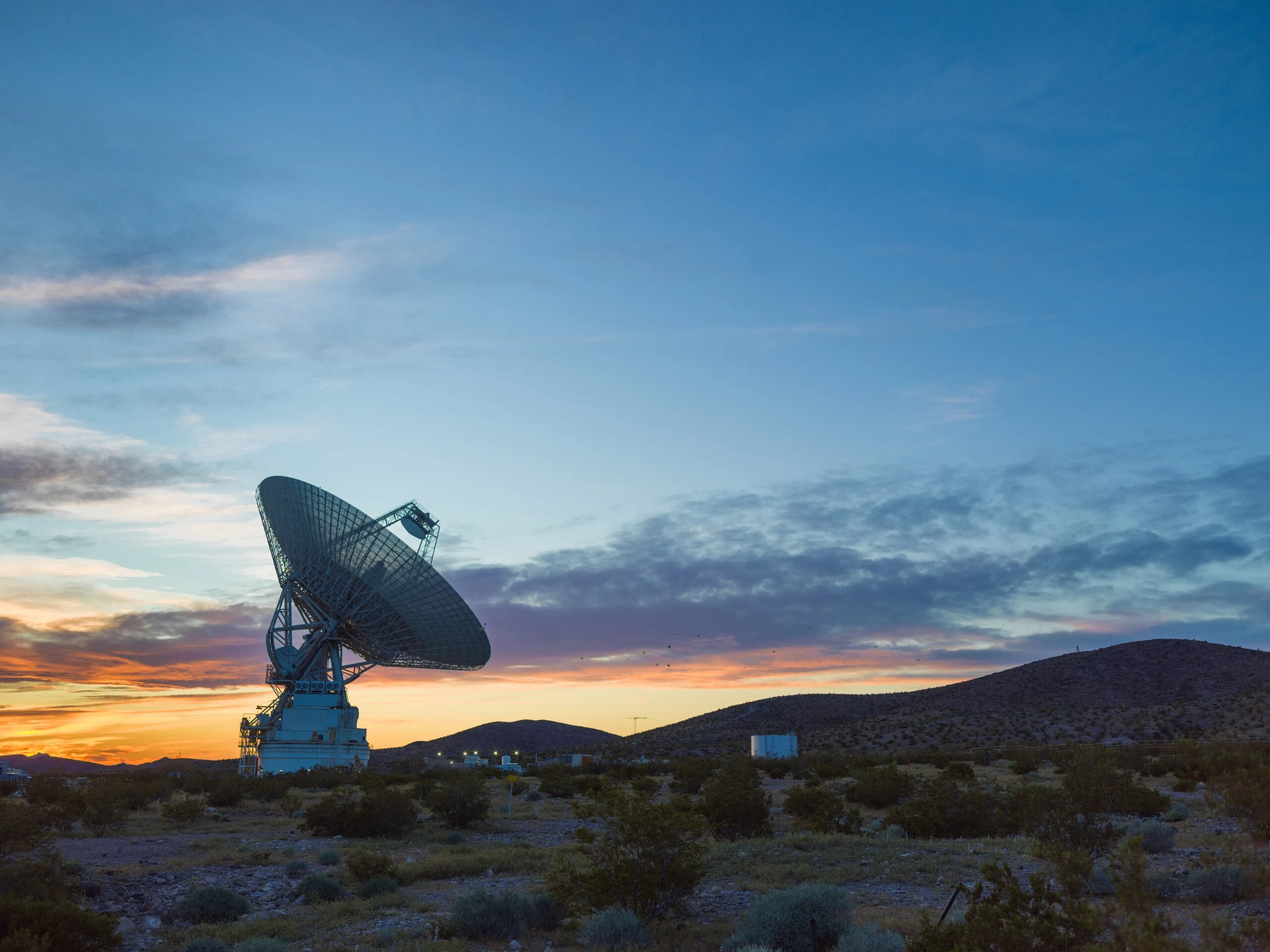
NASA’s investigation into the damage sustained by its Deep Space Station 14 (DSS-14) antenna at the Goldstone Deep Space Communications Complex has concluded. The mishap, regarded as a Type A incident based on repair costs, has prompted NASA to implement changes to strengthen procedures. The DSS-14 will remain offline during repairs and scheduled upgrades.
On September 16, 2025, while tracking the Juno mission, the DSS‑14 antenna over-rotated, causing stress on structural components and damaging the fire-suppression system, leading to significant flooding of the facility. Fortunately, there were no injuries reported.
To analyze the incident, NASA assembled a Mishap Investigation Board comprising experts from across the agency. This board conducted on-site inspections, interviews, and thorough reviews of operational logs and technical documentation across the Deep Space Network. Their final report was completed in April and addresses key findings.
The investigation revealed that the mishap was primarily due to weaknesses in the software, human error, and an undetected failure in the hydraulic limit system of the antenna. Prior to the over-rotation, an electrical issue misreported the antenna’s rotation state, which went unnoticed, causing operators to bypass essential safeguards during troubleshooting. While operators attempted to secure the antenna post-flooding, the system had already exceeded its limits, resulting in further damage.
Additionally, it was discovered that the hydraulic limit system, the final mechanical safeguard, was non-functional after being damaged in a prior undocumented incident. The investigation pointed out that this crucial system had not been properly tested for an undetermined period.
The board also identified a workplace culture at Goldstone that pressured operators to expedite processes beyond their training and expertise. Such conditions were not observed at the network’s other sites, where adherence to established roles is more consistent. Other contributing issues included inadequate procedures, reliance on undocumented practices, and gaps in the antenna’s control logic.
Repair costs are estimated to range between $4.1 million and $4.6 million, with the final figure to be confirmed after a complete assessment of the antenna’s systems. The DSS-14 will enter an extended maintenance and upgrade period, originally scheduled to begin in August and expected to conclude by October 2028. These upgrades are crucial for the support of future exploration and science missions, as well as enhancing national planetary defense capabilities.
NASA is dedicated to learning from this event and has already started to implement the lessons learned. Kevin Coggins, Deputy Associate Administrator for NASA’s Space Communications and Navigation Program, emphasized the agency’s commitment to improving processes and training across the Deep Space Network.
Despite the DSS-14 incident, the Deep Space Network is successfully supporting over 40 missions, with its 13 other antennas, located in California, Australia, and Spain, maintaining uninterrupted operations. A dedicated team manages antenna scheduling to ensure that the science and data needs of various missions are continually met, even when one antenna is offline for maintenance.
For further information, the investigation report is available for viewing online.
The content above is a summary. For more details, see the source article.