Key Takeaways
- Japan is providing satellite monitoring to assist the Philippines after a recent earthquake in Mindanao.
- Emergency data is shared through Sentinel Asia, aiding in damage assessment and recovery efforts.
- This collaboration emphasizes the importance of technology and regional cooperation in disaster management.
Japan’s Support in Earthquake Recovery Efforts
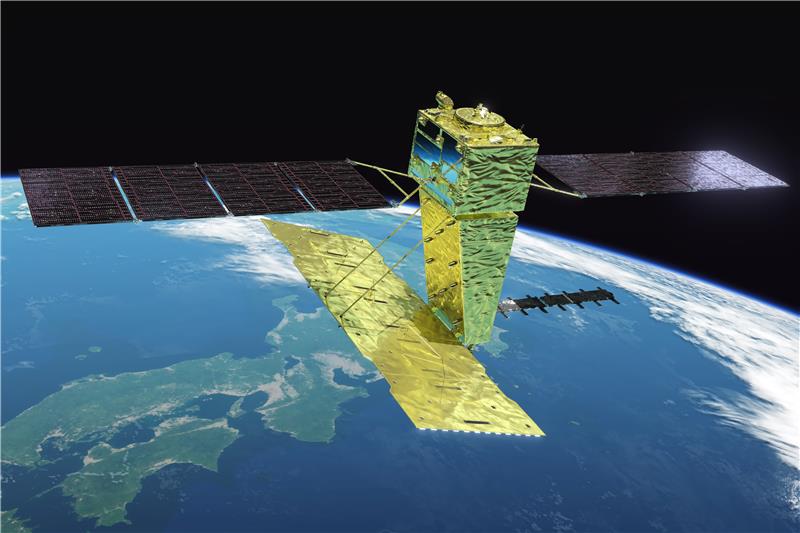
Japan has activated its advanced satellite monitoring systems to aid the Philippines’ response to the recent earthquake in southern Mindanao. Since June 9, 2026, the Japan Aerospace Exploration Agency (JAXA) has been supplying emergency observations and satellite imagery using the Advanced Land Observing Satellites 2 and 4 (ALOS-2/4). These resources are being distributed through Sentinel Asia, a cooperative framework designed for disaster management in the Asia-Pacific region.
The satellite imagery aims to assist Philippine officials in evaluating the damage, determining affected zones, and planning recovery and rehabilitation for communities impacted by the quake. Japan has reiterated its commitment to collaborating with the Philippines, underscoring the significance of technology in disaster response and the need for regional cooperation in dealing with natural disasters.
Sentinel Asia, initiated in 2006 under the Asia-Pacific Regional Space Agency Forum (APRSAF)—a Japan-led effort—promotes the utilization of space technology for disaster management. JAXA oversees this initiative, which now comprises 127 organizations focused on space and disaster management. By providing quick access to satellite-based information, Sentinel Asia enhances member countries’ capabilities in emergency response, damage assessment, and operational recovery following disasters like earthquakes, typhoons, floods, and volcanic eruptions.
This latest assistance highlights the increasing importance of space technology in promoting disaster resilience and supporting affected communities throughout Asia. The collaboration between Japan and the Philippines serves as a prominent example of how regional partnerships can effectively address the challenges posed by natural hazards.
The content above is a summary. For more details, see the source article.