Key Takeaways
- Interstellar Comet 3I/ATLAS is the third known interstellar comet, revealing unique chemical properties.
- High levels of deuterium suggest it formed in a very cold environment, unlike Solar System comets.
- The study of 3I/ATLAS provides insights into prebiotic chemistry and the conditions for life across the galaxy.
A Unique Opportunity for Astronomical Insights
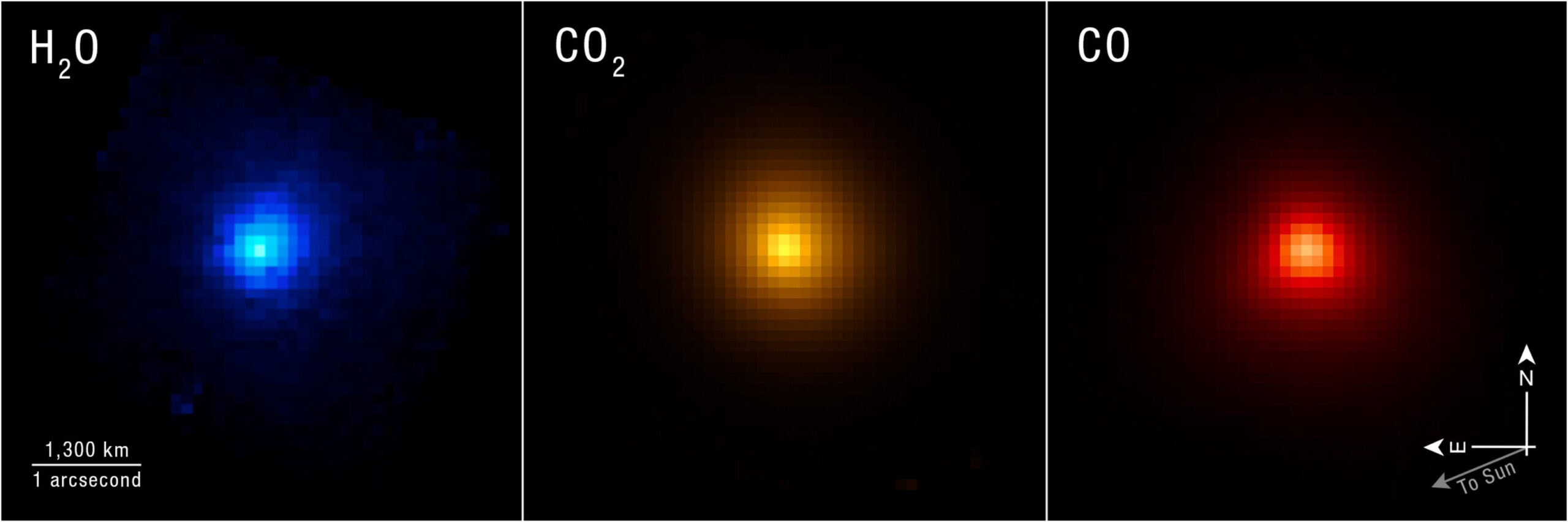
Interstellar Comet 3I/ATLAS, the third confirmed interstellar comet, has provided astronomers with unexpected insights into its chemical composition, raising important questions about the conditions in our own Solar System. Observations conducted using the James Webb Space Telescope (JWST) allowed researchers to analyze the comet’s chemical ratios, including elevated levels of deuterium, also known as heavy hydrogen, which are not found in Solar System comets.
This research was published in the journal Nature on June 22, 2026. The comet was identified as 3I/ATLAS due to its status as an interstellar object and its detection by the NASA-funded ATLAS system. According to Martin Cordiner, an astro-chemist at NASA, this study presents a once-in-a-lifetime opportunity to explore an ancient celestial object that likely predates both the Sun and the formation of our Solar System.
During its closest approach to the Sun in December 2025, the comet’s ancient ice produced a vivid coma, ideal for scientific observation. The analysis revealed that 3I/ATLAS contains about 30 times more deuterium than typical Solar System comets, implying it may have originated in a much colder astrophysical environment early in the galaxy’s history.
The high deuterium levels suggest that 3I/ATLAS formed in a cold, dense cloud and then spent its formative years frozen. The Near-Infrared Spectrograph (NIRSpec) instrument on JWST provided crucial data that indicated minimal carbon-13 presence compared to carbon-12, further affirming its ancient origins. This stark contrast in isotopic composition points to a different evolutionary history compared to the relatively younger Solar System.
Researchers estimate that 3I/ATLAS may have formed around 10 to 12 billion years ago, during a period referred to as ‘cosmic noon,’ when star formation peaked in the universe. The comet’s distinct characteristics may lead to a deeper understanding of cosmic environments where life-supporting conditions could exist, influencing the study of prebiotic chemistry elsewhere in the universe.
An additional study conducted using the Very Large Telescope (VLT) by astronomer Cyrielle Opitom and her team complements the findings from JWST by analyzing carbon and nitrogen isotopes within the comet, specifically in the form of cyanide. Observations such as these raise essential questions about the potential for life in other parts of the galaxy, with implications for understanding how chemical ingredients similar to those found on Earth could exist beyond our Solar System.
Co-author Stefanie Milam from NASA emphasizes the broader significance of these findings. While Earth is currently the only known location with conditions conducive to life, studies of interstellar objects like 3I/ATLAS may illuminate how common or uncommon these life-supporting conditions are throughout the cosmos.
The James Webb Space Telescope, which played a critical role in this discovery, stands as the most powerful telescope ever launched into space, marking a significant milestone in astronomical technology and research. The JWST is a collaborative project involving NASA, ESA, and the Canadian Space Agency, combining international expertise to further our understanding of the universe.
The content above is a summary. For more details, see the source article.