Key Takeaways
- India and the U.S. are enhancing collaboration in lunar science, AI, semiconductors, and clean energy.
- The partnership emphasizes shared innovation rather than a one-way exchange of technology.
- Indian American professionals play a crucial role in strengthening scientific ties between the two nations.
Advancements in Space and Technology Collaboration
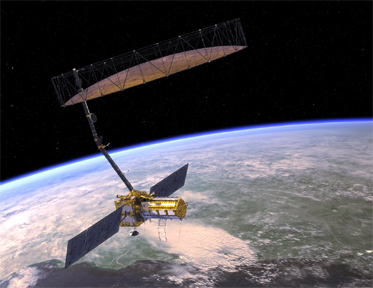
India and the U.S. are deepening their cooperation in various fields, including lunar science, deep-space communications, robotics, and satellite technologies. A significant project, the NASA-ISRO Synthetic Aperture Radar (NISAR) mission, aims to enhance mapping of Earth’s surface.
Historically, the India-U.S. relationship has been framed by defense cooperation. However, the growth engine of this partnership has now evolved into science and technology collaboration. The innovation corridor spanning Silicon Valley to Bengaluru highlights the mutual benefits of talent, investment, and technical advances.
In recent years, bilateral ties have transformed from unilateral technology transfer to joint innovation, encompassing areas like AI, quantum computing, biotechnology, and renewable energy. Indian engineers significantly contribute to breakthroughs in various technologies, simultaneously benefiting from American investments in India’s tech ecosystem.
Artificial intelligence has emerged as a pivotal area of cooperation. The U.S. leads in AI research, while India provides vast software talent and data reservoirs. The bilateral Initiative on Critical and Emerging Technology (iCET) fosters collaborative efforts in key technological sectors, aiming for balanced economic growth and ethical governance.
The semiconductor sector has become a focus, with India and the U.S. working together to build resilient manufacturing capabilities, a necessity highlighted by recent global supply chain disruptions. Investments in India’s semiconductor ecosystem are climbing, bolstering both countries’ strategic goals.
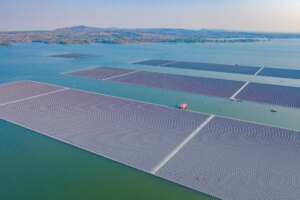
Climate change also drives collaboration, as nations explore renewable energy technologies and sustainable solutions. Joint research institutions foster innovation that addresses environmental challenges and supports India’s energy ambitions.
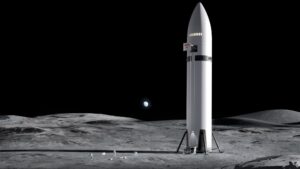
Space exploration exemplifies the evolution of India-U.S. relations. The partnership has shifted from political reluctance to shared projects like the NISAR mission, which enhances disaster readiness and environmental monitoring. India’s advancements in space, showcased by the successful Chandrayaan-3 mission, have established it as a key player, with both countries looking to work together on lunar and deep-space exploration.
Indian Americans significantly contribute to enhancing scientific cooperation, bridging both innovation ecosystems through successful careers in technology and research in the U.S. Despite existing challenges, such as differences in digital regulations and competition for skilled talent, the partnership’s potential remains vast.
Continuing dialogue across sectors will be crucial in addressing challenges and cementing this innovation partnership as a solution-oriented collaboration for tackling global issues in the years ahead. The focus on science and technology highlights a commitment to shared progress, with potential breakthroughs driving both nations forward rather than a reliance on military or trade-based alliances.
The content above is a summary. For more details, see the source article.