Key Takeaways
- A Chinese Smart Dragon-3 rocket successfully launched two AI-powered satellites from waters near Shandong province.
- The satellites will provide intelligent remote sensing services to Uzbekistan and Indonesia, enhancing agricultural and disaster management capabilities.
- This mission, the Smart Dragon-3’s 12th flight, emphasizes China’s commitment to employing AI and space technology for global development, particularly in the Global South.
Launch of AI-Powered Satellites
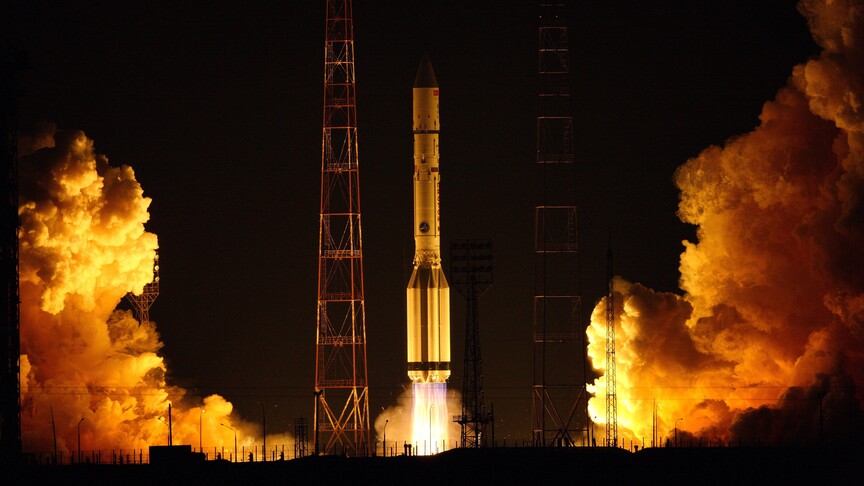
A Chinese rocket successfully launched two artificial intelligence-powered satellites from eastern China’s Shandong province, according to state media reports. The launch, which took place on Wednesday aboard the Smart Dragon-3 rocket, is part of a broader technological initiative and marks the 12th flight of this rocket model, with four launches occurring this year.
These satellites, developed by Star.ai Spatio-temporal Intelligence Technology Co., Ltd., are designed to offer intelligent remote sensing services specifically tailored for Uzbekistan and Indonesia. The cutting-edge technology enables the satellites to perform computing tasks directly in space, significantly reducing the time required for disaster early warnings and decision-making from hours to mere minutes.
In Uzbekistan, one satellite will focus on monitoring the cotton industry’s production cycle, ensuring timely and efficient oversight. Similarly, the second satellite will serve Indonesia by tracking crop growth and assessing potential disaster risks, making it a vital tool for safeguarding agricultural production.
China’s ambitions extend beyond this launch. The mission exemplifies the country’s strategy to leverage artificial intelligence and space technology to support various sectors—including agriculture, meteorology, mineral exploration, and disaster management—across nations in the Global South. This effort showcases how advanced technology can be utilized to address pressing global challenges, enhancing both local economies and resilience against natural disasters.
As the world continues to face increasing challenges related to climate change and food security, innovations like these AI-powered satellites may offer critical solutions for vulnerable regions, paving the way for a more sustainable future.
The content above is a summary. For more details, see the source article.