Key Takeaways
- A new 34-meter radio antenna, Deep Space Station 23 (DSS-23), has been added to NASA’s Deep Space Network.
- The antenna will enhance communications for over 40 spacecraft exploring the solar system and is part of a broader enhancement project that began in 2009.
- The network supports numerous missions, including Mars and Voyager spacecraft, and aims to modernize NASA’s deep space communications capabilities.
NASA Expands Deep Space Communications Network
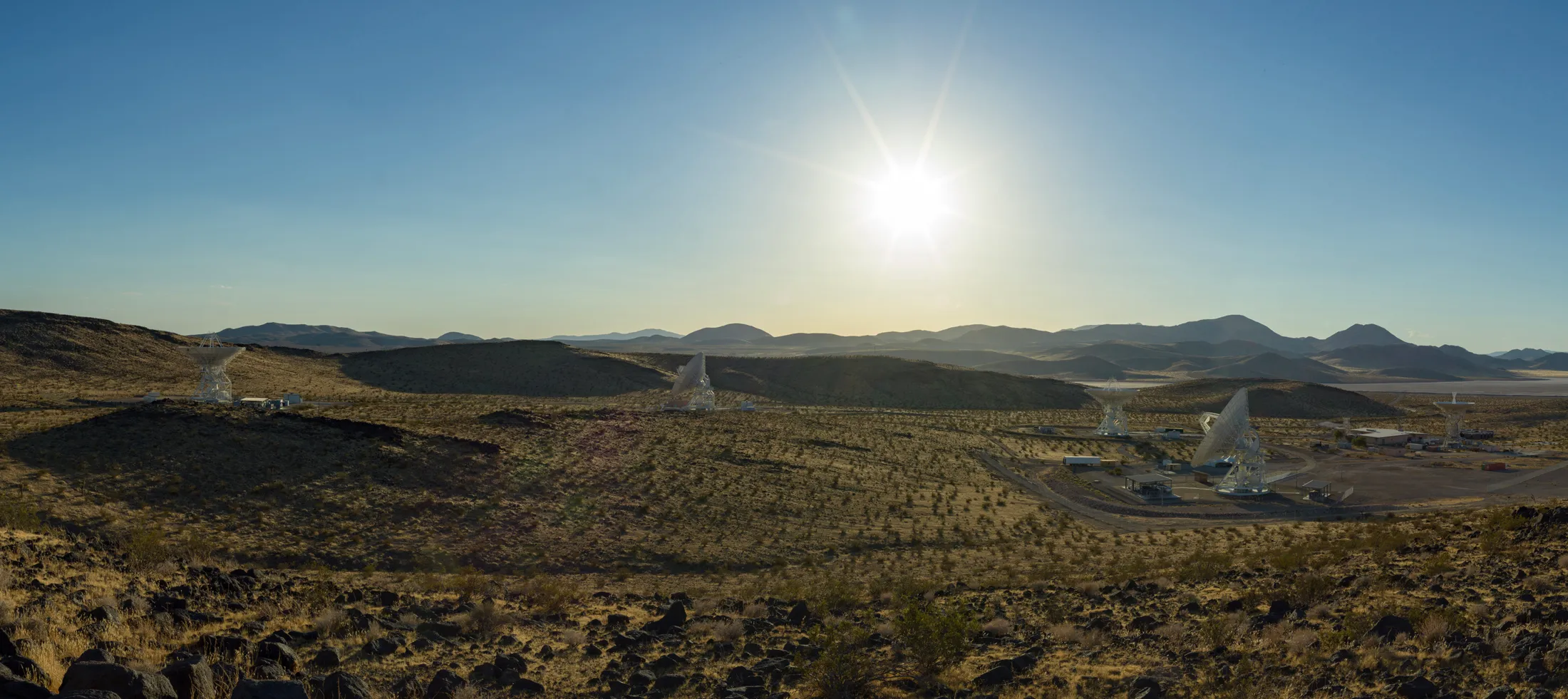
NASA’s Deep Space Network (DSN) in California has officially welcomed a new radio frequency antenna, Deep Space Station 23 (DSS-23). Measuring 34 meters wide (114 feet), this addition plays a crucial role in the agency’s communications and navigation system for deep space missions. The DSN consists of large dish antennas situated at three global locations, supporting over 40 spacecraft actively exploring the solar system and beyond.
Located at the Goldstone Deep Space Communications Complex near Barstow, DSS-23 is managed by NASA’s Jet Propulsion Laboratory (JPL) in Southern California. A ceremonial ribbon-cutting attended by NASA leadership and other dignitaries celebrated the installation of this antenna, marking a significant milestone in the Deep Space Network’s Aperture Enhancement Project. This ongoing project, initiated in 2009, aims to improve the network by introducing six new 34-meter multifrequency beam-waveguide antennas that accommodate various radio frequencies.
James Kenyon, Associate Administrator of the Research and Technology Mission Directorate, emphasized the importance of this expansion, stating, “By expanding the Deep Space Network, we are strengthening the communications foundation NASA needs for the bold missions ahead.” He highlighted the antenna’s role in advancing national goals for space exploration.
Following a successful testing campaign from May to July, DSS-23 began operational duties on August 3, starting with tracking NASA’s Chandra X-ray Observatory. Since then, it has engaged with numerous missions, including the Mars Reconnaissance Orbiter, Psyche, Juno, Voyager 1, and various robotic spacecraft operating in deep space.
The director of JPL, Dave Gallagher, remarked on the significance of ushering in a new era of exploration through this advanced antenna. “This next-generation antenna brings us closer to a completely modernized network,” he stated. The upgrades aim to ensure NASA’s leadership in deep space communications, which have supported impactful missions for over 60 years.
Construction of DSS-23 began in February 2020. After successfully placing the 133-ton metal reflector framework atop the antenna’s pedestal in December 2024, engineers meticulously calibrated the antenna to ensure compatibility with the existing network.
DSS-23 is the fifth antenna installed at Goldstone, complementing three other 34-meter antennas and a single 70-meter (230-foot) antenna. This enhancement follows a strategic design that directs signals to a stable, climate-controlled underground facility, streamlining maintenance and enabling future upgrades.
Germaine Aziz, the project manager at JPL, highlighted the challenges overcome during the integration of complex systems into a cohesive, mission-ready asset. The project involves ensuring that every subsystem operates with exceptional precision and reliability.
The enhancement initiative will culminate with the upcoming sixth antenna, Deep Space Station 33, expected to come online at the Canberra facility in 2029. This addition will increase the total number of 34-meter antennas in the network to 13 and provide robust communication backups for the aging 70-meter antennas.
Managed by Caltech for NASA, JPL oversees the global Deep Space Network, which supports over 100 missions, including those for the International Space Station and future Artemis lunar missions. These advancements are crucial for continuous exploration of the Earth, Moon, and beyond.
The content above is a summary. For more details, see the source article.