Key Takeaways
- The decorrelation stretch technique, originally developed at NASA, enhances the visibility of faded ancient artwork.
- Jon Harman adapted this algorithm for archaeology, aiding in the discovery of hidden images in numerous historical sites worldwide.
- Harman’s contributions, including the Dstretch plugin and smartphone apps, have significantly advanced archaeological imaging techniques.
Innovative Imaging Technique Reveals Hidden Art
High in the central tower of Angkor Wat, faded paintings of horseback riders and musicians go unnoticed by thousands of daily visitors. These artworks, discovered between 2010 and 2012, were made visible using a technique known as decorrelation stretch, conceived at NASA’s Jet Propulsion Laboratory (JPL) in Southern California.
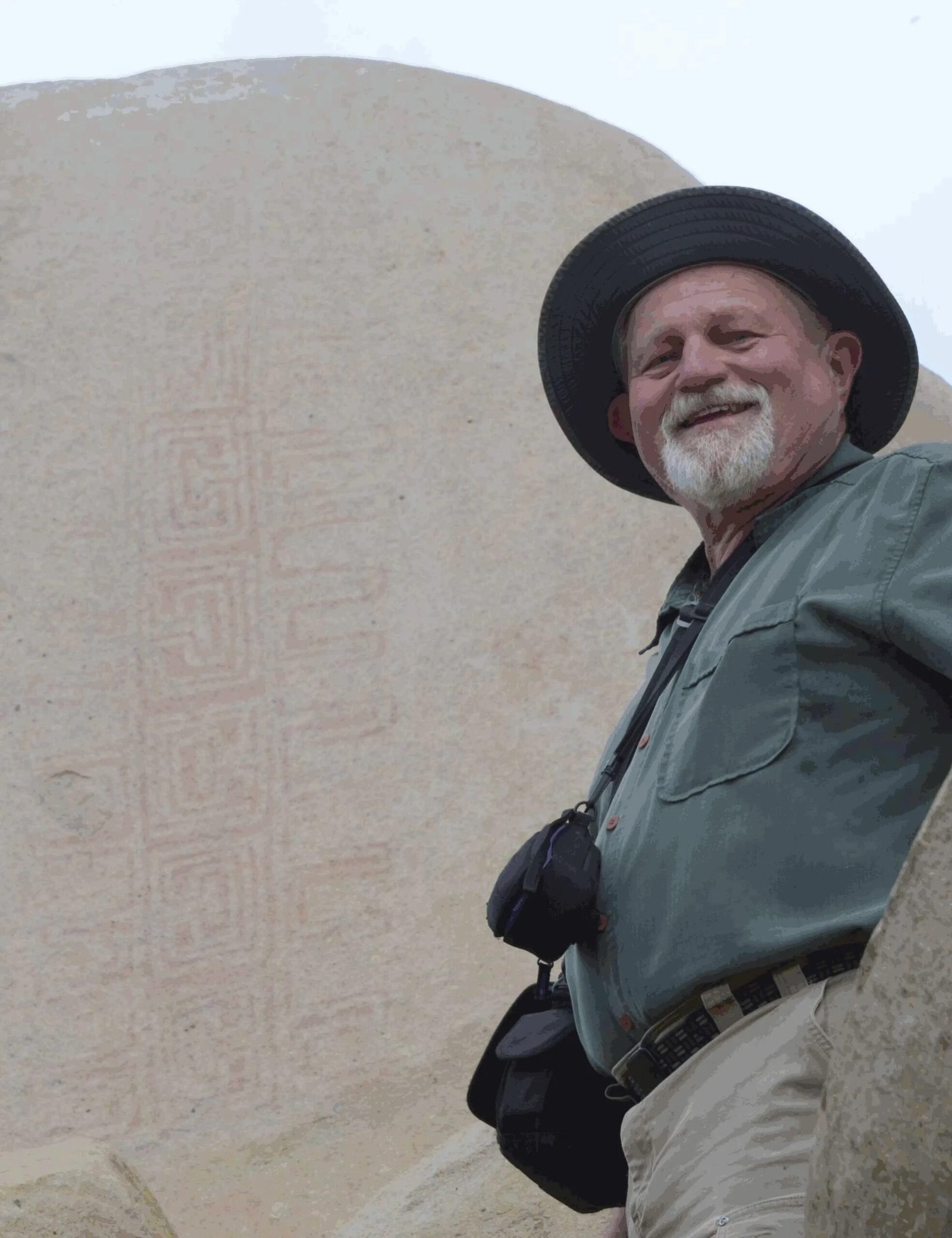
This technique enhances contrasts in digital images, making it an effective tool for uncovering details in ancient art. Jon Harman, a rock art enthusiast with a background in medical imaging, recognized the technique’s potential after observing its application in NASA’s analyses of Martian landscapes around 2005. Inspired by this, he researched and implemented the decorrelation stretch algorithm, originally laid out in a 1996 NASA paper by Ronald Alley, a JPL employee.
Harman created a plugin for the open-source imaging program ImageJ, which has since been widely adopted in archaeological circles, with approximately 200 annual requests for Dstretch processing. In addition to the plugin, Harman has developed smartphone applications that mimic the decorrelation stretch process, garnering thousands of downloads. As a result, the technique has found numerous applications in archaeology, assessing sites in Norway, Egypt, Canada, and beyond.
The decorrelation stretch has not only clarified ancient images but has also supported extensive archaeological research, including the discoveries of buried Greek ruins and tattoos on mummified remains. Despite the technique’s initial focus on rock art, Harman has been pleasantly surprised by the diverse applications that have emerged, illustrating the method’s versatility and expanding relevance in various archaeological contexts.
Through these innovations, Harman has significantly contributed to the field of archaeology, demonstrating the importance of interdisciplinary approaches in uncovering the past.
The content above is a summary. For more details, see the source article.