Key Takeaways
- Africa has made significant strides in space technology, with 21 countries establishing space agencies and investing $4.7 billion in satellite development.
- The Africa-EU Space Partnership Programme, with a €100 million investment, aims to enhance collaboration in space technology for sustainable development.
- Satellite technology is vital for addressing climate change, food security, and urban planning across the continent.
Africa’s Growing Space Capabilities
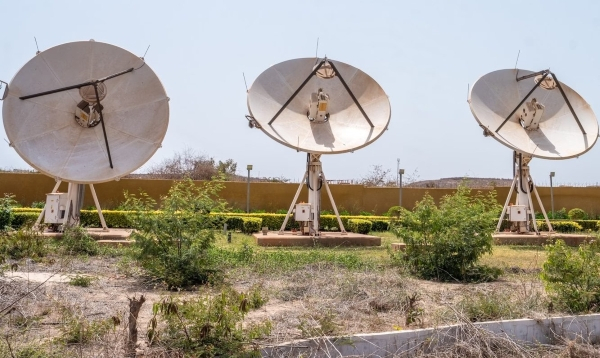
Over 70 countries worldwide have established space programs, with China and the United States leading the way. In contrast, African nations have historically had limited space capabilities, but this is rapidly changing. Since Egypt launched Africa’s first satellite in 1998, the continent has seen substantial growth in space technology, leading to the establishment of 21 national space agencies. Collectively, these agencies have invested approximately $4.7 billion in the development and launch of 59 satellites.
The advancements in Africa’s space sector are anticipated to foster progress in critical areas such as agriculture, disaster management, and climate monitoring. These developments will also attract private investment (commonly referred to as NewSpace) and promote local capacity-building efforts, given that adequate funding and infrastructure are in place. The increasing frequency of satellite launches and innovations indicates that African nations recognize the significance of space technology in meeting Sustainable Development Goals and stimulating economic growth.
A pivotal initiative is the Africa-EU Space Partnership Programme, supported by a €100 million investment from the European Union. This initiative highlights a commitment to innovation and sustainable development through space technologies, establishing a framework for enhanced EU-Africa relations. It builds on existing European programs, such as Copernicus and Galileo, to leverage space-based technologies in addressing various challenges.
Africa’s space landscape is evolving quickly, with more nations incorporating space technologies into their strategies to tackle urgent issues like climate change, food security, and disaster risk management. The momentum gained through this collaborative effort fosters robust partnerships at both the institutional and private-sector levels.
Earth observation satellites present considerable advantages, especially as Africa faces critical climate-related challenges such as droughts, floods, and fires. With agriculture contributing approximately 35% of the continent’s GDP and employing nearly half of its workforce, satellite data plays a crucial role in optimizing crop yields and enhancing climate-resilient agricultural practices.
For example, Nigeria’s National Space Research and Development Agency has utilized satellites like NigSat-2 to effectively monitor crop health and forecast agricultural yields. Additionally, satellite technology supports urban planning across Africa, as exemplified by Kenya’s use of satellite data to track urbanization trends and enhance municipal planning capabilities.
Furthermore, satellites are instrumental in overseeing resource-rich regions, assisting in the management of issues such as armed conflict, deforestation, illegal mining, and irregular migration. With continued investment and collaboration, the future of Africa’s space industry holds vast potential for economic and social advancement.
The content above is a summary. For more details, see the source article.