Key Takeaways
- China successfully launched its 15th space mission of 2025, deploying the Tianlian II-04 satellite.
- The launch occurred at 11:55 PM local time using a Long March 3B rocket from the Xichang Satellite Launch Center.
- Tianlian II-04 enhances China’s data relay capabilities, supporting missions to the Tiangong space station and Earth observation.
Launch Details
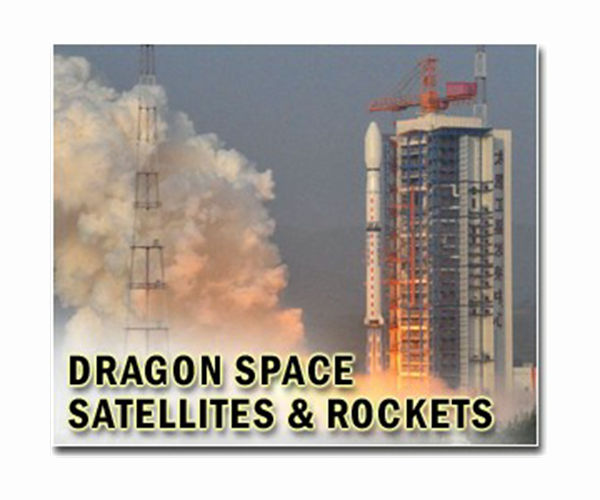
China executed its 15th successful orbital mission this year, launching the Tianlian II-04 satellite late Wednesday from the Xichang Satellite Launch Center in Sichuan province. The China Aerospace Science and Technology Corp (CASC) confirmed the launch, which took place at 11:55 PM local time using a Long March 3B rocket. This mission is notably the 565th flight in the Long March series, emphasizing the rocket’s reliability and popularity as a workhorse in China’s space endeavors.
Tianlian II-04, developed by the China Academy of Space Technology—a CASC subsidiary—is a key component of China’s space-based data relay network. It is engineered to offer critical telemetry, tracking, command, and data relay functions, thereby facilitating crewed missions, Earth-observation satellite operations, and activities aboard the Tiangong space station.
Building on China’s earlier Tianlian I system, which included five satellites launched between 2008 and the mid-2010s, the Tianlian II series signifies a significant upgrade in the nation’s satellite capabilities. The first satellite of this newer series, Tianlian II-01, was launched in March 2019, marking the beginning of a modernized effort to enhance data relay services in space communication.
According to engineers, the Tianlian II satellites are designed with improved features that surpass those of the original Tianlian I system. These enhancements include increased communication capacity, the ability to support more substantial payloads, and extended operational lifespans, all contributing to a more robust satellite infrastructure.
The Long March 3B rocket, integral to this launch, is developed by the China Academy of Launch Vehicle Technology, another subsidiary of CASC. This launch vehicle has been optimized for missions targeting geostationary transfer orbits, capable of carrying payloads up to 5.5 metric tons, and has also successfully facilitated placements into medium-Earth and lunar trajectories.
With this launch, China continues to demonstrate its growing capabilities in space technology, building a comprehensive framework for communication and operations in its increasingly ambitious space program.
The content above is a summary. For more details, see the source article.