Key Takeaways
- West Texas endured dangerous weather on March 15, 2026, with high winds and dust storms reducing visibility.
- The National Weather Service issued a Red Flag Warning as the dry conditions and stiff winds increased the wildfire risk.
- A rapid temperature drop occurred following the cold front, leading to extreme weather changes across the region.
Severe Weather Hits West Texas
On March 15, 2026, West Texas and the Panhandle faced severe weather due to a strong cold front sweeping through the area. This system was characterized by powerful winds that generated extensive dust clouds, drastically reducing visibility and creating hazardous travel conditions. The impending threat of wildfires prompted the issuance of a Red Flag Warning by the National Weather Service.
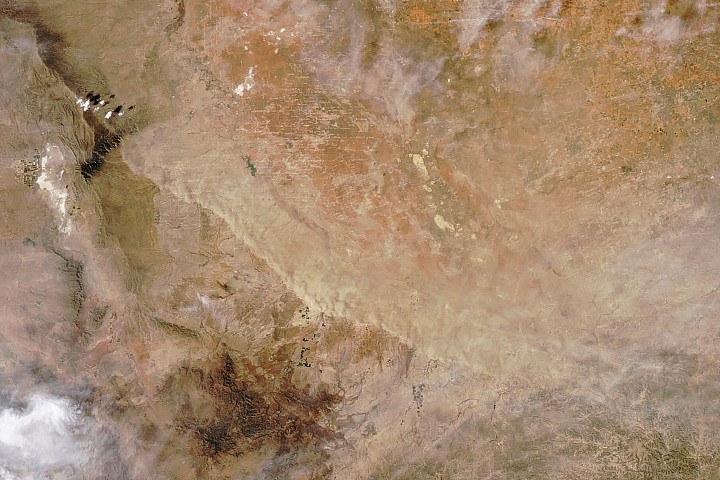
NASA’s Aqua satellite captured images of this blowing dust, showcasing its impact on the region at approximately 4:45 p.m. Central Time. Earlier footage from the Terra satellite revealed a large dust wall about 150 miles northeast just five hours prior. Severe visibility issues were reported, with conditions contributing to a multi-vehicle accident in North Texas.
The combination of high winds, low humidity, and dry fuel conditions led to multiple wildland fires igniting across the Panhandle, forcing evacuation measures as local authorities responded to the threats posed by the fast-spreading flames.
The weather took an abrupt turn with the cold front’s arrival. A weather station in Pecos recorded a high temperature of 88 degrees Fahrenheit (31 degrees Celsius) just before the front’s passage, which plummeted to a low of 39°F (4°C) by the next morning. Additionally, sustained winds of approximately 25 miles per hour (40 kilometers per hour) with gusts reaching up to 40 miles per hour (64 kilometers per hour) were reported. Some areas in the Panhandle experienced gusts exceeding 60 miles per hour (97 kilometers per hour).
According to the U.S. Drought Monitor, many regions in northern and western Texas were experiencing moderate to severe drought conditions prior to this weather event. While dust storms typically occur this time of year, the lack of rainfall has severely dehydrated the vegetation, further exacerbating the risk of dust storms and wildfires.
This weather episode underscores ongoing concerns for regional safety as climate impacts and drought conditions contribute to increasing vulnerabilities in West Texas.
The content above is a summary. For more details, see the source article.