Key Takeaways
- ESA’s 2026 milestones include the groundbreaking Smile mission and BepiColombo’s arrival at Mercury.
- The Smile mission will study Earth’s reaction to solar particles and radiation.
- ESA astronaut Sophie Adenot and multiple Earth observation launches are slated for the year.
Upcoming ESA Missions
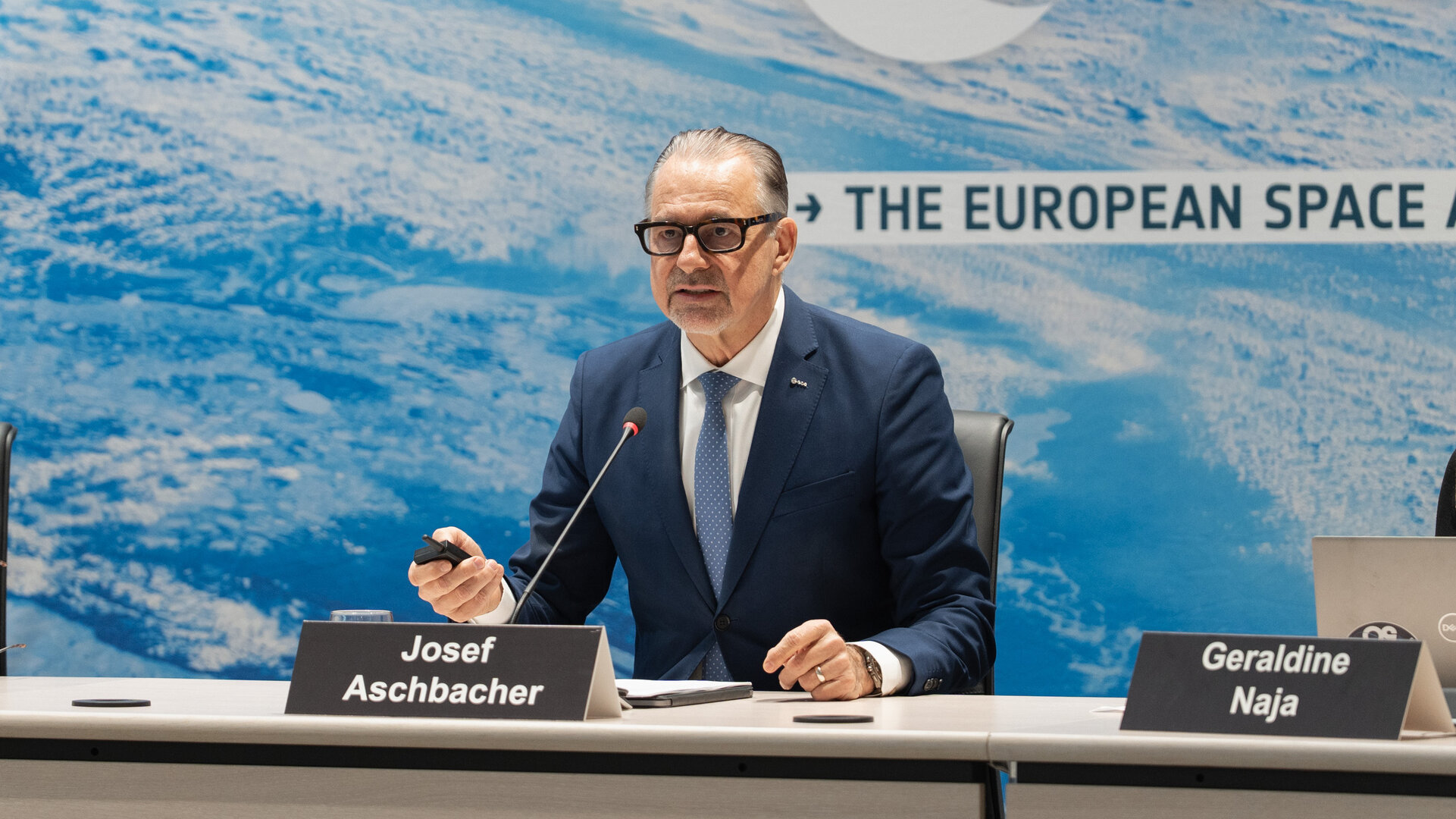
Josef Aschbacher, Director General of the European Space Agency (ESA), recently outlined key missions scheduled for 2026. A highlight is the Smile project, which aims to provide a comprehensive understanding of how Earth interacts with solar particles and radiation bursts from the Sun. This mission is poised to yield pioneering insights into the planet’s atmospheric responses.
In addition to the Smile mission, 2026 will mark the long-awaited arrival of BepiColombo at Mercury following an extensive eight-year journey. The spacecraft’s mission is to gather crucial data that will address numerous unanswered questions about Mercury, the least-explored planet in the inner Solar System. This data is expected to enhance our understanding of the planet’s geology, atmosphere, and magnetic field.
Furthermore, ESA astronaut Sophie Adenot is scheduled to launch to the International Space Station (ISS) in 2026. This mission will not only engage in scientific research but aims to expand human presence in space as part of ongoing international cooperation in space exploration.
Along with these significant missions, ESA is preparing for various Earth Observation and Navigation launches from Europe’s Spaceport located in French Guiana. These upcoming projects highlight ESA’s commitment to advancing earth-related sciences and technologies.
These developments underscore the dynamic landscape of space exploration in which ESA plays a pivotal role, paving the way for future discoveries that could significantly impact both science and society.
The content above is a summary. For more details, see the source article.