Key Takeaways
- Former ISRO chairperson S Somnath emphasizes the need to commercialize space technology in India to drive economic growth.
- India’s current application of space technology is limited, tapping only 10% of its market potential.
- Collaboration between government and private sectors is essential to unlock new business opportunities and scale up the space economy.
India’s Space Sector on the Verge of Transformation
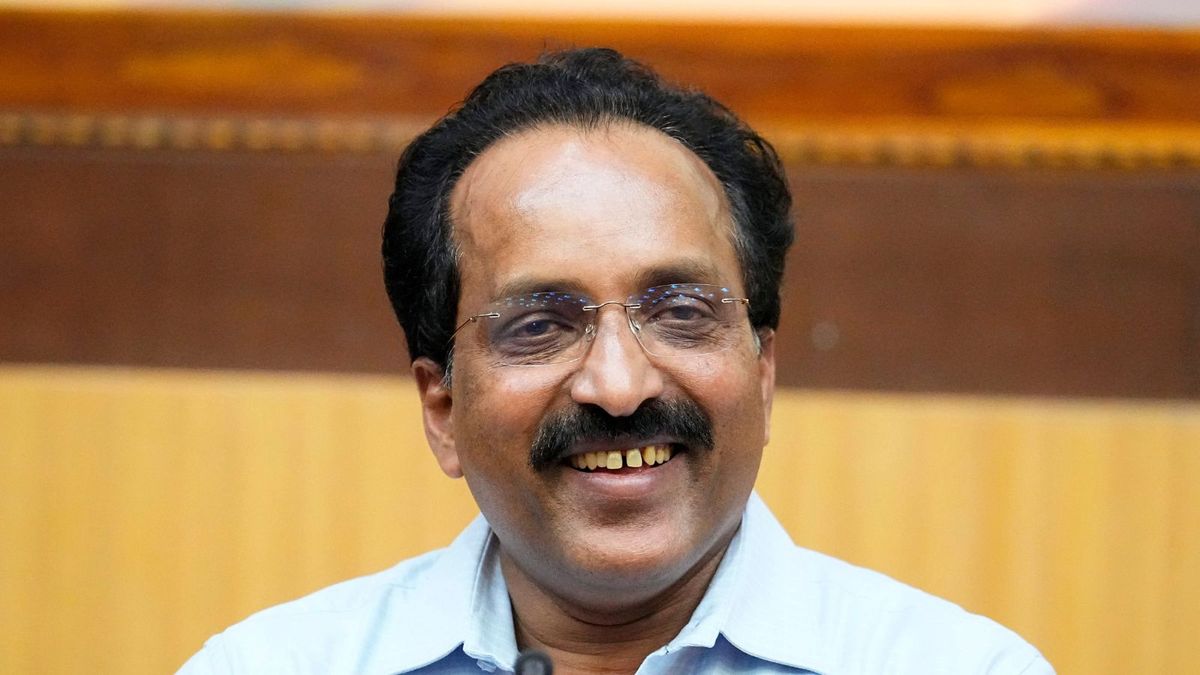
India’s space sector is poised for a transformative phase, according to former ISRO chairperson S Somnath. Speaking at a Confederation of Indian Industry (CII) conference, he outlined the necessity of advancing commercial applications of space technology to stimulate economic growth. Although India has made impressive advancements in space technology, Somnath noted that its usage has primarily been limited to government projects.
He pointed out that a mere 10 percent of the potential market for space applications in India has been explored. This low penetration, despite the country’s large population of 1.45 billion, is hindering broader economic impacts. Somnath highlighted the need to turn space technology into business opportunities, particularly in sectors such as fisheries, where satellite data could significantly improve practices if commercialized.
“For instance, we are capable of predicting fish schools using ocean satellites, yet this information is mostly reserved for government use. We need to develop a business case that allows fishermen to access this data,” he explained. Somnath also identified other sectors like logistics, traffic management, and railway monitoring, where satellite data remains underutilized. He advocated for creating compelling case studies in these areas to showcase the monetization potential of space technology.
Dr. Pawan Goenka, Chairman of IN-SPACe, reiterated the need to connect space technology providers with end-users. He pointed out that while the global space economy is valued at $440 billion and projected to grow to $1 trillion by 2040, India’s share is currently only $8 billion, with an aim to expand this to $44 billion by 2033. Goenka mentioned the government’s efforts to stimulate the space sector, including a significant allocation of incentives and funding for projects related to space-based surveillance.
He also announced a Rs 1,000 crore venture capital fund aimed at supporting space startups, asserting that innovative business models utilizing satellite data could offer substantial cost savings across various industries. Collaboration among the government, private sector, and startups is vital for realizing the full potential of space technology.
Both Somnath and Goenka emphasized the necessity for entrepreneurs to innovate in areas like edge computing, artificial intelligence, and analytics to enhance the processing of satellite data. Goenka assured stakeholders that IN-SPACe aims to facilitate the connection process between businesses and technology providers, indicating that this initiative marks the beginning of a transformative era for India’s space economy.
The content above is a summary. For more details, see the source article.