Key Takeaways
- Varda Space’s W-2 mission successfully concluded with a high-velocity atmospheric reentry on February 27.
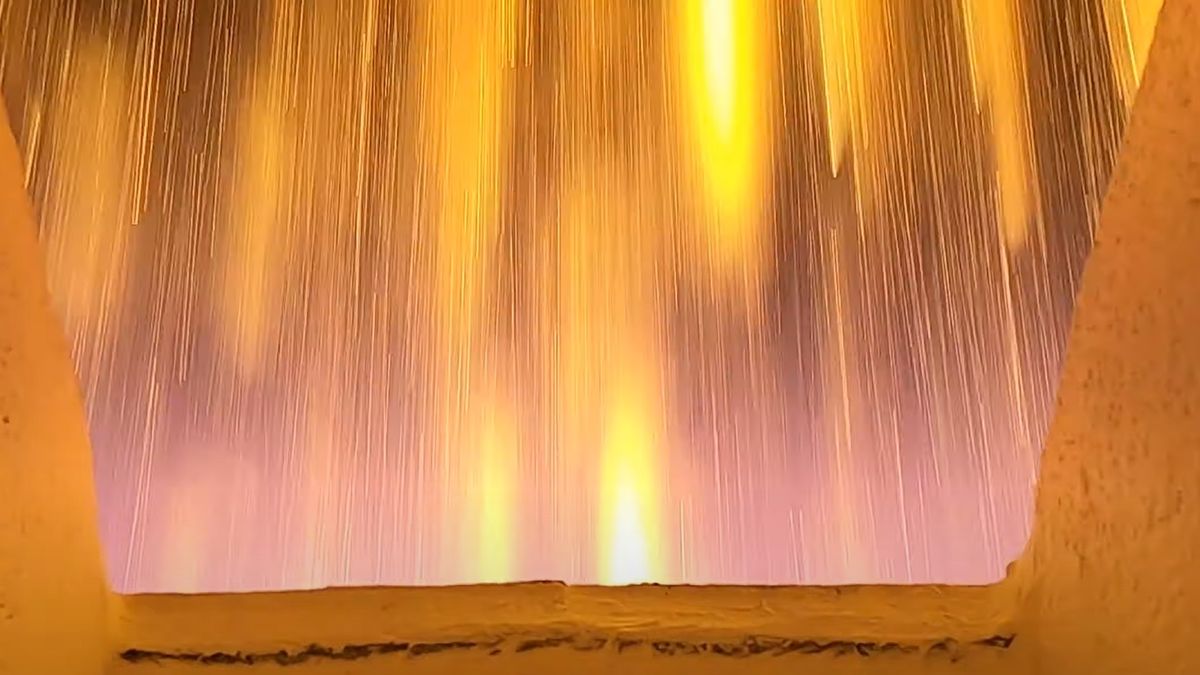
- The 265-pound capsule reentered at speeds of over Mach 25, capturing stunning visuals in its final moments.
- The mission focused on in-orbit manufacturing, collecting data vital for hypersonic technology and product development.
Mission Overview and Highlights
Varda Space’s W-2 mission successfully wrapped up its journey on February 27, landing at the Koonibba Test Range in South Australia. The mission followed the capsule’s launch aboard a SpaceX Falcon 9 rocket as part of the Transporter 12 mission, leading to an impressive six-week voyage in space.
A remarkable video showcasing the capsule’s dramatic reentry has been released, providing breathtaking visuals of the last moments before touching down. The footage captures the capsule’s fiery descent, which occurred at speeds exceeding Mach 25. During this high-speed reentry, the capsule generated sparks of various colors and intensities while interacting with the atmosphere.
The conical capsule, weighing 265 pounds (120 kilograms), featured a parachute-assisted landing that facilitated its quick recovery. This mission exemplified Varda’s ambition to become a leading entity in the emerging in-space manufacturing sector. Notably, the capsule carried a spectrometer from the Air Force Research Laboratory (AFRL) and a specialized pharmaceutical reactor aimed at enhancing in-orbit manufacturing capabilities.
Varda Space’s W-2 marks a significant milestone that builds upon the company’s first mission, the W-1, completed a year prior. The W-1 mission, which landed in Utah in February 2024, saw the capsule in orbit for eight months, where it successfully produced crystals of an antiviral drug, showcasing the potential benefits of microgravity environments for pharmaceutical manufacturing.
The successful execution of the W-2 mission not only reinforces Varda Space’s commitment to advancing in-space manufacturing but also contributes valuable data necessary for the further development of hypersonic technologies. The use of microgravity for production processes is a focus area for Varda, indicating a strategic move towards leveraging space for commercial advancements.
As Varda Space continues to push boundaries in the aerospace sector, its efforts highlight the growing interest and possibilities within the emerging field of in-orbit manufacturing. The successful data collection and the experiences garnered from both the W-1 and W-2 missions could lead to significant innovations and developments in pharmaceutical and other industrial applications in the future.
The content above is a summary. For more details, see the source article.