Key Takeaways
- The National Space Agency of Singapore (NSAS) will begin operations on April 1, 2024, focusing on promoting research and development in the space sector.
- NSAS will support the growth of a local space ecosystem and consolidate functions previously held by the Office for Space Technology and Industry (OSTIn).
- The agency aims to establish national legislation to govern space activities and enhance Singapore’s international standing in the space sector.
Formation of the National Space Agency
The National Space Agency of Singapore (NSAS) is set to commence operations on April 1, 2024. Announced by Minister Tan See Leng in February, the agency will assume the responsibilities of the Office for Space Technology and Industry (OSTIn) and operate under the Ministry of Trade and Industry. Veteran public servant Ngiam Le Na will lead NSAS as chief executive.
The new agency will build upon OSTIn’s initiatives, which aim to attract space companies to Singapore. In 2022, OSTIn launched a $210 million Space Technology Development Programme to support innovative projects and talent training in the space sector. Additionally, Singapore-based Zero-Error Systems benefits from government grants for its development of radiation-hardened chips designed to shield satellite electronics from space radiation.
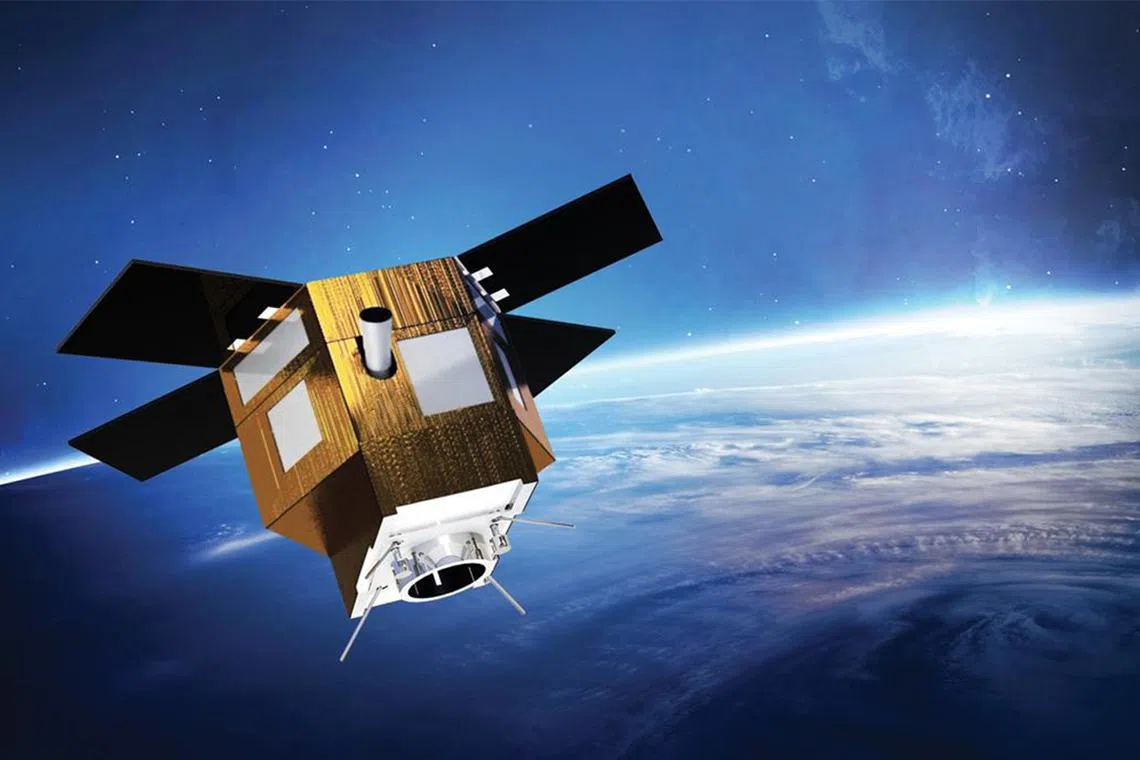
Addvalue Technologies has developed a groundbreaking device that allows satellites to communicate with Earth continuously, enhancing data transmission capabilities. NSAS will serve as a centralized hub for government agencies, improving efficiency in handling satellite data requests for applications such as urban planning and environmental monitoring.
In addition, NSAS will draft regulations to enhance Singapore’s international reputation in the space community. These measures aim to ensure safety and sustainability while promoting innovation. Singapore’s existing guidelines encourage voluntary registration of space objects and compliance with international standards, paving the way for more structured legislation in the future.
As global interest in space continues to grow, NSAS aims to position Singapore as a key player in the international space arena, contributing to advancements in space situational awareness and minimizing space debris hazards. The agency’s proactive approach seeks to align local activities with global best practices and improve collaboration among stakeholders in the sector.
The content above is a summary. For more details, see the source article.