Key Takeaways
- Nasa’s Perseverance rover captured video and audio of electrical discharges during Martian dust storms.
- These recordings mark the first clear evidence of electrical activity in Mars’ dust devils.
- The findings enhance understanding of Mars’ atmospheric dynamics and potential for habitability.
Martian Dust Storms Unveiled
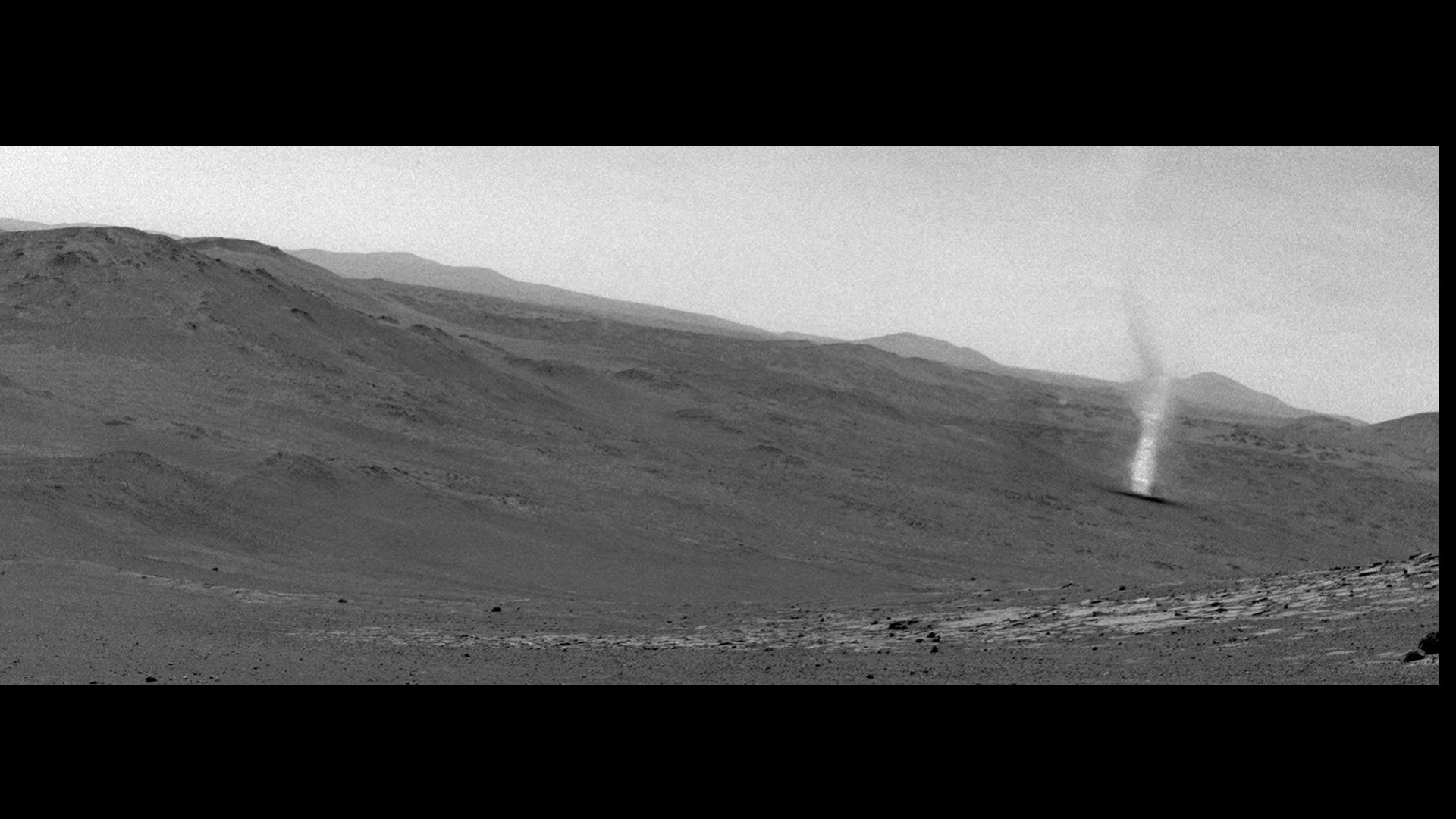
NASA recently unveiled captivating video and audio that showcase the sounds and activity of dust storms on Mars, especially in the Jezero Crater. Recorded by the Perseverance rover on September 6, this footage includes faint crackles and mini-sonic booms associated with tiny, lightning-like sparks. The recordings are a significant breakthrough, as they represent the first confirmed evidence of electrical discharges occurring within a Martian dust storm.
For years, scientists speculated that dust blown by Martian winds could accumulate enough static electricity to create sparks, yet the theory remained largely unproven until now. The thin Martian atmosphere lowers the energy required for electrical discharge, allowing even minor dust movements to generate electric sparks that would be impossible in Earth’s more substantial atmosphere.
Perseverance’s findings go beyond theoretical data; they offer audible evidence of these phenomena. Ralph Lorenz, a Perseverance scientist and co-author on a study published on November 26 in the journal Nature, emphasized the clarity of the recordings, noting how listeners can hear the distinct ‘snap’ of the electrical sparks.
The process behind dust devil formation on Mars begins when warm air near the surface rises and cools, creating a vortex that pulls in additional air. This spinning column lifts dust from the ground, resulting in the formation of dust devils. As dust particles interact within the vortex, they accumulate static electricity through a mechanism known as the triboelectric effect—akin to experiencing a small static shock after walking on carpet.
While these sparks differ from the dramatic lightning seen on Earth, being smaller and localized, their study holds importance for researchers. The ability to capture these electrical events aids in understanding the Martian atmosphere’s chemical composition, climate patterns, and overall habitability potential. This knowledge will also inform the design of future missions—both robotic and human—to Mars.
Perseverance has detected several of these electrical phenomena, with at least one passing directly over the rover itself. This proximity allowed its microphone to pick up not only the electrical sounds but also the movement of the dust devil passing overhead. Specifically, Lorenz highlighted recordings from Sol 215 and Sol 1,296, which offer insights into the auditory landscape of Martian dust storms, including the impacts of dusty particles on the microphone.
The latest data from Mars provides an intriguing glimpse into the planet’s dynamic environment. The combination of audio and visual elements helps illustrate the striking nature of these electrified dust devils swirling over the Martian surface, paving the way for deeper insights into the planet’s atmospheric behavior and potential for supporting life.
The content above is a summary. For more details, see the source article.