Key Takeaways
- NASA plans to conduct a critical wet dress rehearsal for Artemis 2 on February 19, following a previous LH2 leak.
- The rehearsal aims to simulate the final countdown sequence before Artemis 2’s potential launch around early March.
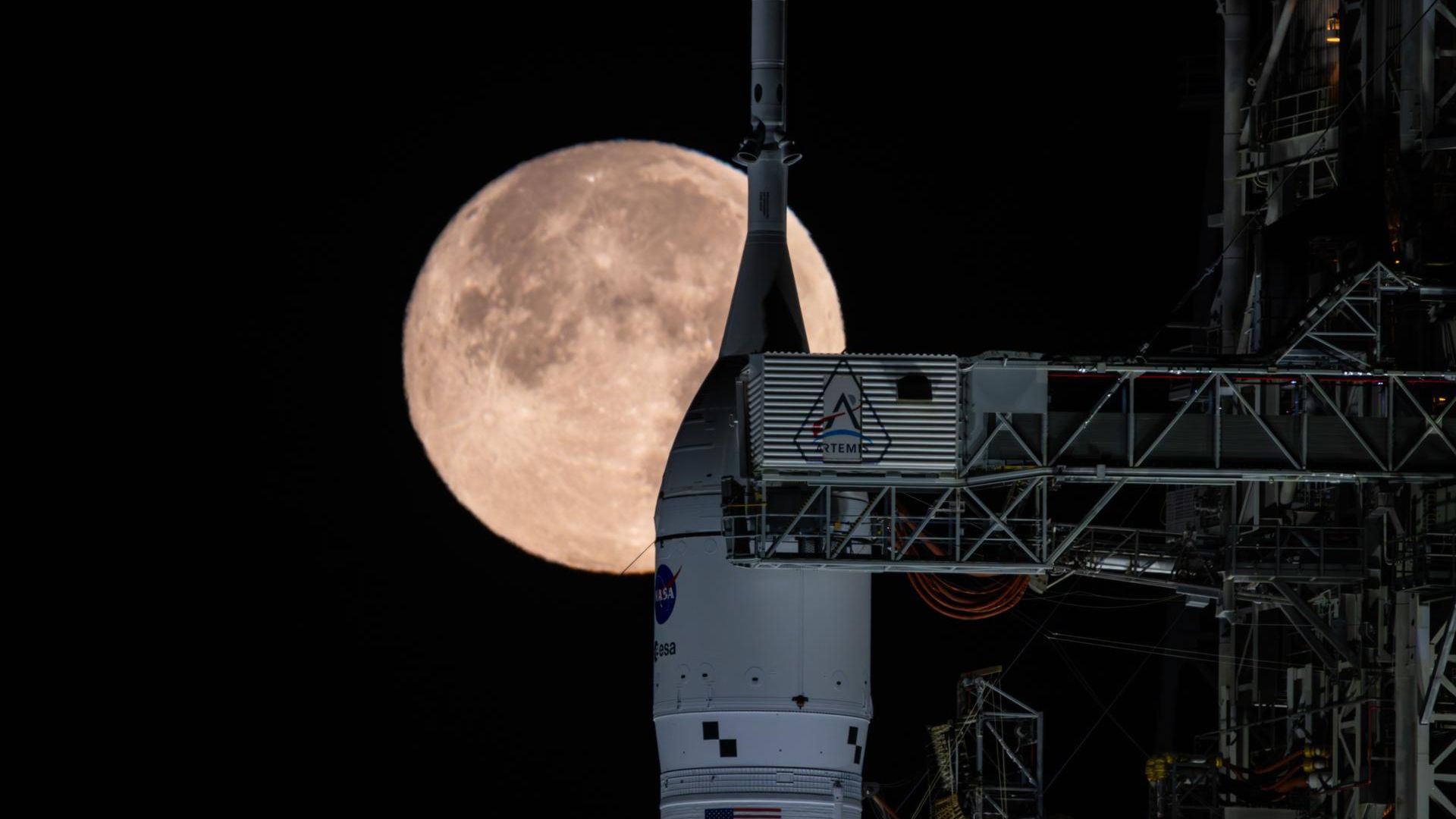
- Artemis 2, carrying four astronauts, will orbit the moon and is a key step towards future moon-landing missions.
Artemis 2 Wet Dress Rehearsal Set for February
NASA is gearing up for a wet dress rehearsal of its Artemis 2 moon rocket, with plans to load over 700,000 gallons of liquid hydrogen and liquid oxygen into the Space Launch System (SLS) rocket on February 19. This rehearsal marks the second attempt, following the first test that was cut short due to a liquid hydrogen leak.
The leak occurred at a service line interface known as the tail service mast umbilical (TSMU), which connects the SLS to its mobile launch tower. This issue is familiar, as similar leaks delayed the Artemis 1 mission from its original launch window in spring 2022 to November, although that mission ultimately succeeded in sending the Orion capsule to lunar orbit and back.
In preparation for the upcoming test, Artemis 2 teams replaced two seals after the first rehearsal. A confidence test on February 12 partially filled the SLS tanks with liquid hydrogen to assess the repairs, despite a flow restriction caused by ground support equipment. NASA later identified a filter issue that was resolved, allowing the team to proceed with the wet dress rehearsal.
The wet dress rehearsal is set to begin on February 17, with team members at the Launch Control Center at NASA’s Kennedy Space Center in Florida. The sequence will simulate a realistic countdown, including a pause at crucial moments, which is designed to replicate conditions that might lead to a launch scrub due to technical or weather-related issues.
If all goes smoothly, Artemis 2 could launch as early as March 6, with additional potential launch dates on March 7-9 and March 11. The mission will carry four astronauts—NASA’s Reid Wiseman, Victor Glover, and Christina Koch, along with Jeremy Hansen from the Canadian Space Agency—on a 10-day journey around the moon, testing the crew-carrying capabilities of the SLS and Orion spacecraft.
This mission lays the groundwork for subsequent moon-landing missions, starting with Artemis 3, which is projected to launch as early as 2028. With this ambitious series of missions, NASA aims to return humans to the lunar surface, reigniting interest and exploration of Earth’s nearest neighbor.
The content above is a summary. For more details, see the source article.