Key Takeaways
- CCD sensors, traditionally used in space telescopes, are limited by radiation sensitivity and high costs.
- Eric Fossum developed the CMOS image sensor technology, enhancing image quality in space observation.
- CMOS sensors have been widely adopted in various consumer electronics, revolutionizing everyday devices.
Advancements in Space Observation Technology
For many years, space observation relied on CCD (charge-coupled device) sensors, notably in instruments like the Hubble Space Telescope. These sensors convert incoming light into electrical charges, which are then processed to form images. However, CCDs posed several challenges, including their sensitivity to radiation, high cost, and significant energy consumption.
Tasked with improving space imaging technologies, Eric Fossum joined the NASA Jet Propulsion Laboratory. Instead of enhancing CCD technology, he focused on a complementary metal-oxide semiconductor (CMOS) image sensor. By integrating a technique from CCDs, known as intra-pixel charge transfer with correlated double sampling, Fossum was able to reduce background noise. This innovation resulted in clearer images with an improved signal-to-noise ratio and led to the creation of the CMOS Active Pixel Sensor (APS), often referred to as the “camera-on-a-chip.”
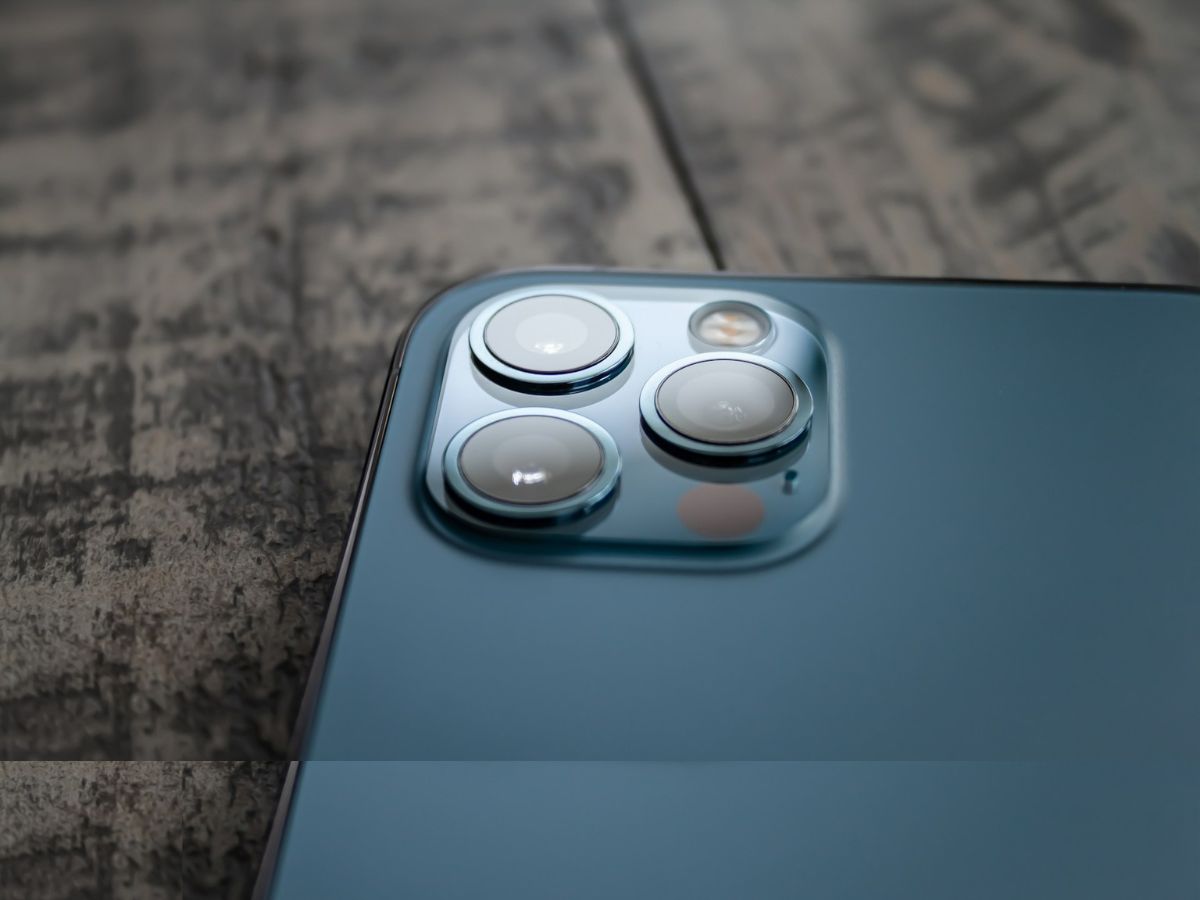
The advancement did not stop at space exploration. Collaborations with industry partners allowed for the further refinement of CMOS technology, leading to its integration into consumer products. Today, CMOS sensors are ubiquitous in devices such as smartphones, cars, swallowable pill cameras, webcams, and digital cameras. This shift has not only enhanced the capabilities of astronomical observations but has also transformed various aspects of daily life, making high-quality imaging accessible in everyday technology.
Fossum’s work exemplifies how innovations for space can reverberate throughout society, enabling advancements in both scientific research and consumer electronics. As a result, the once-limited potential of imaging technology has expanded dramatically, opening new avenues for exploration and everyday utility.
The content above is a summary. For more details, see the source article.