Key Takeaways
- Madagascar was hit by two powerful cyclones, Fytia and Gezani, within two weeks, resulting in significant devastation.
- Gezani made landfall as a Category 3 storm, bringing winds of 200 km/h and causing widespread flooding in Toamasina.
- Preliminary assessments reported dozens of fatalities, thousands of injuries, and damage to over 27,000 homes.
Cyclone Fytia and Gezani Strike Madagascar
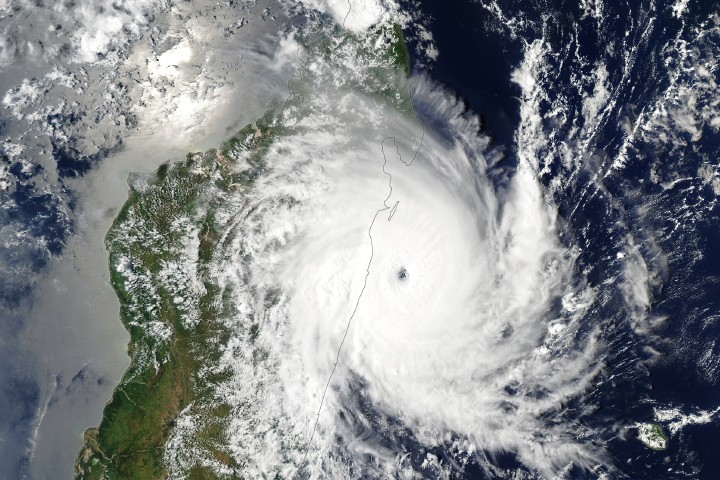
A potent tropical cyclone struck Madagascar for the second time in two weeks, as Cyclone Gezani made landfall after Cyclone Fytia. On January 31, Fytia severely impacted the northwestern coast with destructive winds and heavy rain, displacing thousands. Gezani followed closely, directly hitting Toamasina, one of Madagascar’s largest cities, on February 10.
The arrival of Gezani was marked by rapid intensification, with the storm achieving sustained winds of up to 200 kilometers per hour (125 miles per hour) before making landfall as a Category 3 hurricane. Meteorologists noted that conditions were highly favorable for the storm’s strengthening, including warm sea surface temperatures above 28 degrees Celsius (82 degrees Fahrenheit), low wind shear, and a moist atmosphere. Rainfall rates near Toamasina reached up to 4 centimeters (1.6 inches) per hour, leading to severe flooding.
The impact on Madagascar was catastrophic. Preliminary assessments from the National Office for Risk and Disaster Management reported dozens of fatalities and hundreds of injuries, with approximately 27,000 homes damaged. News outlets and humanitarian organizations described chaotic conditions in Toamasina, marked by widespread power outages, numerous collapsed roofs, and lack of access to clean water.
Images from NASA’s Earth Observatory highlighted the devastation, showcasing severe flooding, particularly around the Rongaronga River area, known for its agricultural production of rice, vanilla, lychees, and spices. The flooding has significantly affected local farming communities.
Madagascar is recognized as one of the most cyclone-prone countries in Africa, typically experiencing about six storms annually, with two making direct landfalls. The cyclone season runs from November to April, peaking between January and March. The current situation has reignited concerns over disaster preparedness and response as the nation grapples with the aftermath of these recent storms.
Overall, the combination of intense storms within such a short timeframe has left Madagascar in a precarious position, emphasizing the need for enhanced disaster management practices and support for affected regions.
The content above is a summary. For more details, see the source article.