Key Takeaways
- Researchers suggest that overly sterile environments on the International Space Station may weaken astronauts’ immune systems.
- Current sterilization practices may limit exposure to beneficial microbes and molecules, potentially leading to health issues for astronauts.
- Recommendations include introducing specific bacteria and plant life to enhance microbial diversity without the risk of infections.
Research Raises Questions About Sterility in Space
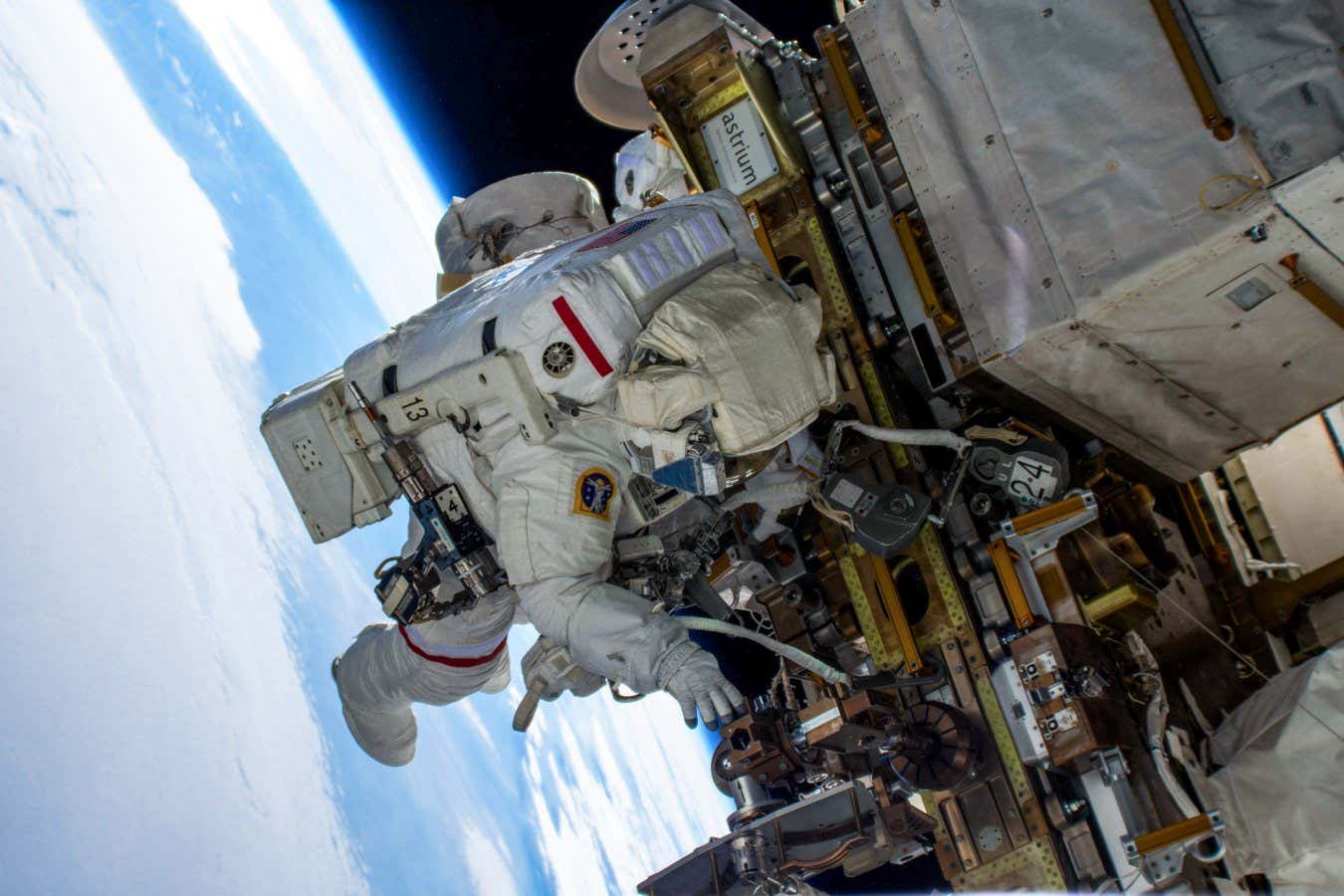
The approach to maintaining cleanliness on the International Space Station (ISS) might hinder astronauts’ health rather than protect it, according to new research led by Pieter Dorrestein from the University of California San Diego. The prevailing strategy has been to ensure spacecraft are as sterile as possible to prevent illness among crew members. However, this could be a mistake, as the researchers highlight the potential health benefits of exposure to certain microbes and molecules.
Typically, the sterilization of spacecraft addresses two primary concerns: preventing contamination of extraterrestrial environments, like Mars, and managing health issues that might arise from infections that are easier to treat on Earth. Dorrestein’s team analyzed over 700 surface samples from the ISS, revealing a stark lack of microbial diversity, leading to hypotheses about its effects on human health in space.
“The space station is just devoid of a lot of molecules and microbes,” Dorrestein noted. This extreme sterility may contribute to significant alterations in astronauts’ immune systems, which have been linked to reports of skin rashes, unusual allergies, and opportunistic infections, as well as the activation of latent viruses such as Epstein-Barr.
The researchers propose that periodic exposure to various microorganisms is necessary for a balanced immune response. Therefore, methods to introduce beneficial microbes into the ISS environment should be explored. Dorrestein suggests replacing standard disinfectants with the application of bacteria like Bacillus subtilis, known for its antifungal properties, to surfaces on the station. This could potentially promote a healthier microbial ecosystem on board.
In addition, incorporating a variety of plants might help as well. Previous studies indicate that exposure to a diverse range of plant-based molecules can reduce the incidence of asthma and allergies in humans. Unfortunately, the current environment of the ISS lacks these beneficial plant molecules, which could further exacerbate health concerns for astronauts during their missions.
The research indicates a need for a reevaluation of how cleanliness is perceived in high-stakes environments, not just in space but also in analogous situations on Earth, such as hospitals and research stations where individuals might spend extended periods. The balance between ensuring sterility and allowing beneficial microbial exposure needs to be carefully navigated to foster better health outcomes for crew members during long-term space missions.
Dorrestein emphasizes the importance of finding methods to create a more diverse microbial environment aboard spacecraft while avoiding the introduction of harmful pathogens. The implications of this research are significant, potentially altering protocols for future space missions and contributing to broader discussions on health and safety in controlled environments both on Earth and in space.
The content above is a summary. For more details, see the source article.