Key Takeaways
- Section 31, a clandestine branch of Starfleet Intelligence, operates outside standard Federation regulations to address extraordinary threats.
- The new movie “Star Trek: Section 31” features Philippa Georgiou, returning to service with a new team to tackle a significant danger to the Federation.
- Section 31 has evolved since its introduction in “Deep Space Nine,” engaging in morally ambiguous tactics throughout the “Star Trek” franchise.
Understanding Section 31
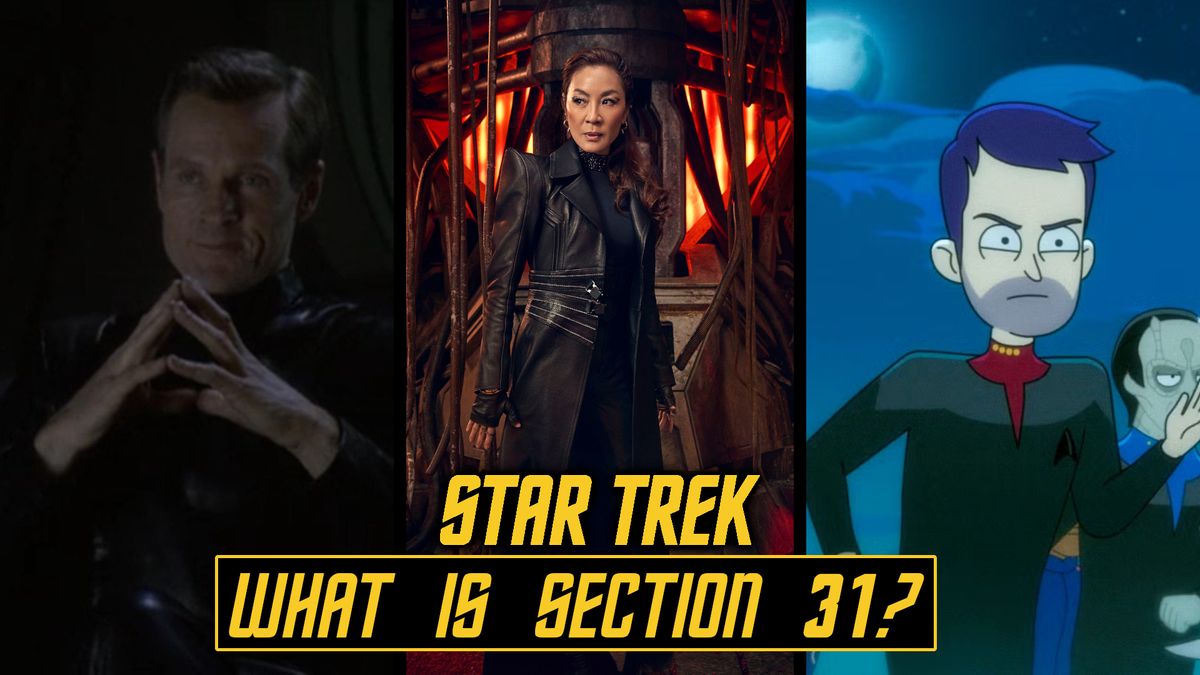
Section 31 is a secretive division of Starfleet Intelligence established to protect the interests of the Federation, often engaging in morally questionable activities that allow Starfleet captains—like Kirk and Picard—to maintain a clean image. First appearing in “Deep Space Nine,” it has since inhabited various “Star Trek” series and films. This organization operates under a veil of plausible deniability, with Starfleet Command aware of its existence yet granting it significant autonomy.
The genesis of Section 31 can be traced back to the 22nd century when Captain Jonathan Archer discovered ties between his head of security and the enigmatic group. Initially instituted to safeguard Earth, it later broadened its scope to encompass the entire Federation. Episodes where Section 31 intervened showcase a complex relationship, including actions that secured the Klingon Empire’s stability while complicating interspecies relations.
The name “Section 31” derives from Article 14, Section 31 of the Starfleet Charter, which permits bending rules during extraordinary threats. While initially obscure, the organization became an open secret in later “Star Trek” series. In “Star Trek: Discovery,” for instance, Section 31 operatives are easily identifiable due to their distinctive attire and ships.
Interactions with Key Characters
Though Spock and Kirk never directly engaged with Section 31, Spock’s affiliation with the organization emerged during his time alongside Captain Christopher Pike while investigating the mysterious Red Angels. This version of Section 31, however, was significantly darker, commandeered by an artificial intelligence called Control. This AI ultimately caused chaos within the organization until Georgiou intervened.
Spock and Kirk’s indirect ties to Section 31 were further explored in the Kelvin timeline, especially in “Star Trek Into Darkness,” where the Federation’s shady dealings under Fleet Admiral Alexander Marcus’ direction fueled the conflict with Khan.
Agent Profiles and Recruitment
Section 31’s recruitment practices favor individuals with morally ambiguous backgrounds. High-profile figures like Khan Noonien Singh and Philippa Georgiou have successfully navigated the vetting process, highlighting the group’s flexible ethical considerations. Other characters, such as Bradward Boimler, have opted for drastic measures to join its ranks, indicating a readiness to embrace unconventional paths.
The organization’s presence continued through the 24th century under notable operatives, including Luther Sloan, who engaged in underhanded tactics during the Dominion War. Section 31’s unethical methods reached a crescendo when it engineered a deadly virus targeting the Founders, demonstrating its willingness to compromise on moral grounds for strategic advantage.
The Future of Section 31
The upcoming “Star Trek: Section 31” film on Paramount+ features Georgiou’s return to the organization after her adventures in the 32nd century. Set in the narrative gap between the original crew’s films and “The Next Generation,” the film will follow her and a new team as they confront a grave threat to the Federation. This cinematic interpretation aims to further explore the implications and activities of Section 31 within the broader “Star Trek” canon, presenting a fresh perspective on its ongoing legacy within the franchise. The movie is set to premiere on January 24.
The content above is a summary. For more details, see the source article.