


Key Takeaways
- The U.S. Supreme Court is examining three significant cases that could impact local governance and public safety.
- Pung v. Isabella County may redefine local government’s rights in collecting tax debts.
- Case v. Montana and Wolford v. Lopez address police authority during emergencies and gun rights on private property, respectively.
Important Cases Impacting Local Governments
The current term of the U.S. Supreme Court features high-profile cases on public safety, immigration, and tariffs that may affect local governments. However, three lesser-known cases are poised to significantly influence the operations of cities, counties, and police departments across the country.
During a National Association of Counties webinar, Amanda Karras, executive director and general counsel of the International Municipal Lawyers Association, highlighted these key cases that merit attention beyond the headlines.
Pung v. Isabella County, Michigan
The case revolves around an estate executor disputing the foreclosure of a property due to $2,242 in unpaid taxes. Isabella County auctioned the property for $76,008, despite its assessed value being $195,000. The plaintiff argues that the county violated the Fifth Amendment’s takings clause by not compensating the estate with the fair market value minus the tax debt. Additionally, it claims a breach of the Eighth Amendment’s excessive fines clause.
Law expert Meaghan VerGow emphasized that this case could “headline” the term due to its potential ramifications on local governments’ tax collection methods. A ruling requiring municipalities to reimburse tax-delinquent sellers could lead to extensive legal challenges regarding property valuation.
Case v. Montana
This case addresses Fourth Amendment rights concerning local law enforcement’s warrantless entry into homes during emergencies. It involves Trevor Case, who was known for past suicidal threats. After police were called to his home due to concerns for his safety, they entered without a warrant to conduct a welfare check. Although Case refused entry, police officers believed he was armed, leading to a non-fatal shooting incident.
Case’s legal team sought to suppress the obtained firearm evidence citing illegal entry, but the district court rejected this. The Supreme Court’s discussions seemed to recognize the rationale behind emergency police intervention, which may significantly influence future policing protocols.
Wolford v. Lopez
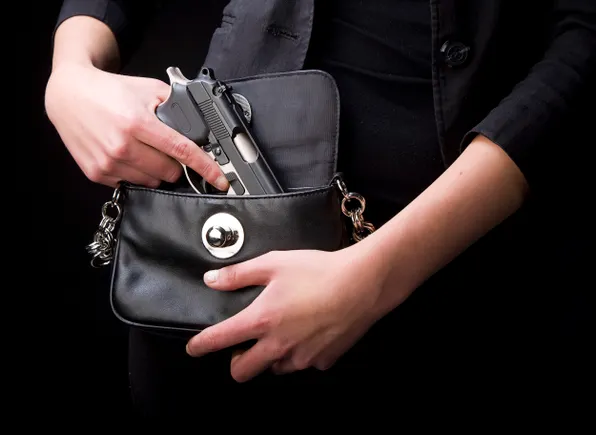
This case, brought against the Hawaii attorney general, contests a state law prohibiting individuals with concealed-carry permits from bringing firearms onto private property without the owner’s consent. Gregory Garre, a law partner, noted that Wolford will be crucial in interpreting the Supreme Court’s prior decision in New York State Rifle & Pistol Ass’n, Inc. v. Bruen, which permits concealed carry.
At the heart of the matter is whether specific “sensitive” places can be designated under Bruen, affecting gun rights and regulations nationwide. The case is expected to be argued in the spring.
Overall, these three cases underscore the potential for lasting changes in local governance and public safety operations, emphasizing the importance of legal awareness among municipalities as the Supreme Court navigates these pivotal issues.
The content above is a summary. For more details, see the source article.









