


Key Takeaways
- Eastern Africa faces significant challenges, including food insecurity affecting 25% of its population amid climate change and conflicts.
- Technology and innovation are essential for transforming agricultural practices, enhancing productivity, and ensuring better nutrition.
- The youth demographic in Eastern Africa presents a unique opportunity for agricultural transformation through engagement in innovative farming technologies.
Challenges and Opportunities in Eastern Africa’s Agriculture
The Eastern Africa sub-region, home to over 280 million people, is at a crucial juncture where it must navigate significant agricultural challenges and opportunities. With vast arable land and abundant livestock and fisheries, the region has much potential for agricultural development. However, it continues to confront severe issues such as droughts, floods, conflicts, and pest invasions like Desert Locusts and Fall Armyworms, which have greatly impeded food security and resilience strategies.
Recent reports from the Food and Agriculture Organisation (FAO) reveal a troubling increase in food insecurity, with 63 million individuals in the region experiencing acute hunger in 2024. These problems are compounded by limited technological advancement in agriculture, exacerbated by rising food costs and climate events.
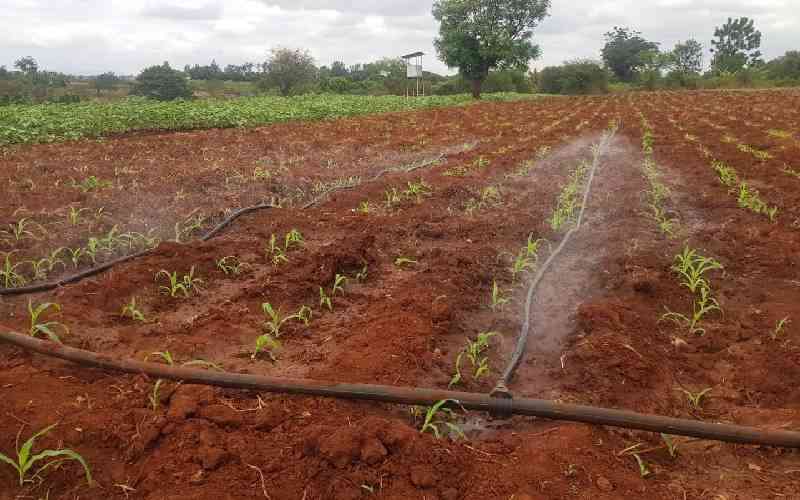
In response, the urgent need for technology and innovation is evident. Tools like drought-resistant seeds, smart irrigation systems, drones, and satellite monitoring are crucial for enhancing agricultural efficiency and productivity. For instance, Somalia has successfully utilized drones to monitor locust movements, allowing preemptive actions to safeguard crops. Similarly, Ethiopia’s improved grain storage methods have significantly reduced food wastage.
To tackle high levels of chronic malnutrition, particularly stunting in children—a situation exacerbated by the prevalence of food insecurity—Eastern Africa needs better nutrition access through diversified food production. Renewable energy solutions and community initiatives can further support sustainable agrifood systems, enhancing both food production and rural environments.
Youth engagement is vital for transforming agriculture in Eastern Africa, where approximately 70% of the population is under 30. Innovative practices such as digital farming and e-commerce platforms for agricultural products are gaining traction, providing new economic opportunities. However, significant gaps remain in policy implementation, affecting the youth’s access to necessary skills and resources.
Initiatives like the African Union’s Comprehensive Africa Agriculture Development Programme (CAADP) offer frameworks for addressing these challenges, yet translating policy into action is critical. Collaboration among governments, organizations, and communities is essential to foster agricultural transformation that benefits rural populations, women, and the youth, especially those most vulnerable to shocks.
Ultimately, leveraging technology and empowering the next generation are keys to building resilient agricultural systems in Eastern Africa, which are indispensable for securing a sustainable future.
The content above is a summary. For more details, see the source article.









