Key Takeaways
- Nasa tested a 3D-printed antenna designed for low-cost communication of scientific data using a weather balloon.
- The antenna demonstrated the advantages of rapid prototyping and adaptable designs through advanced 3D printing technology.
- This innovation underscores potential cost reductions for future space missions and enhanced capabilities for scientific exploration.
NASA’s 3D-Printed Antenna Demonstration
In fall 2024, NASA successfully developed and tested a 3D-printed antenna aimed at providing a low-cost solution for transmitting scientific data to Earth. The antenna was tested aboard an atmospheric weather balloon, marking a significant step toward utilizing 3D printing technologies for future science and exploration missions.
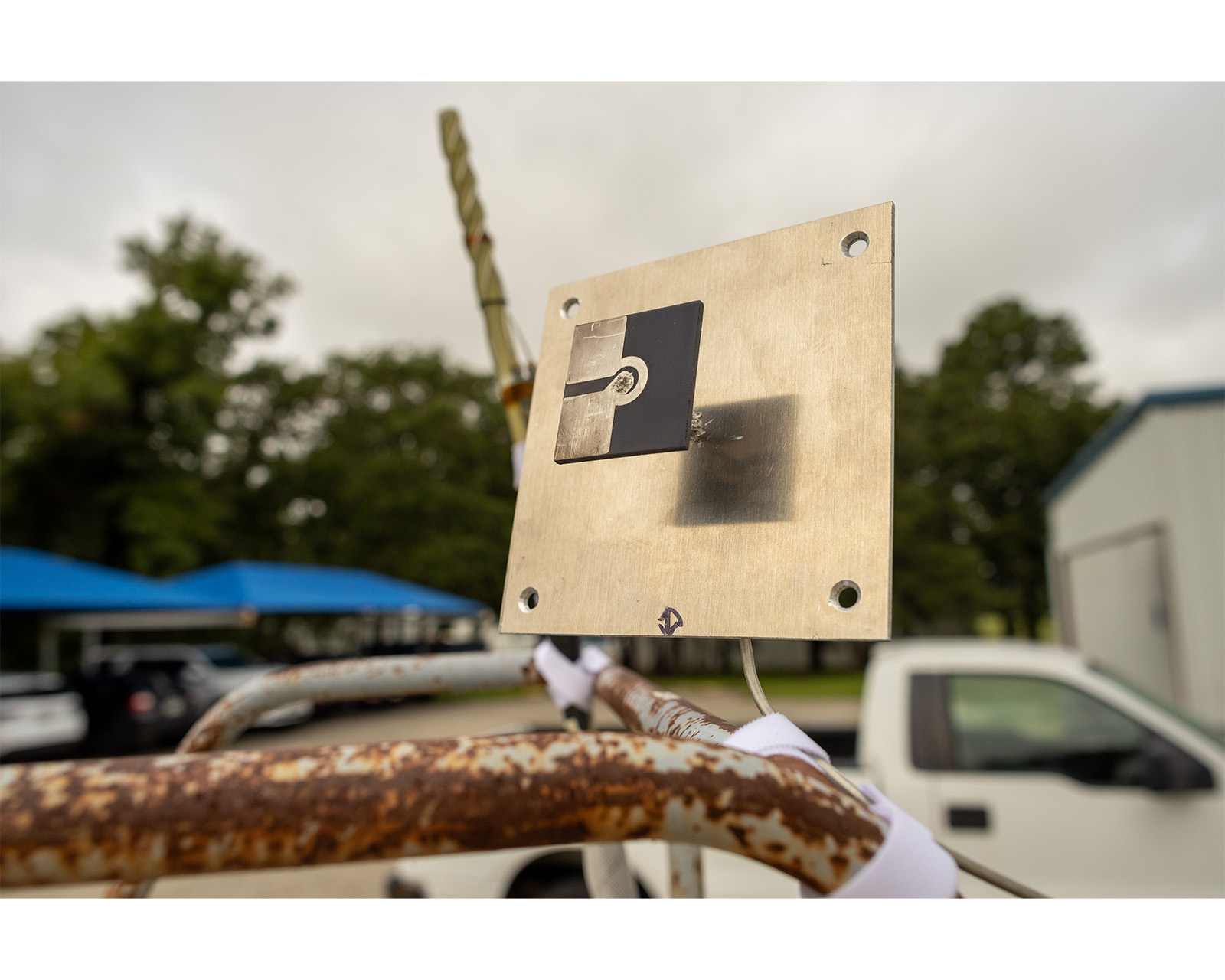
Engineers from NASA’s Near Space Network designed the antenna specifically for this project. Employing the 3D printing technique, also known as additive manufacturing, allows for the production of physical objects from digital models layer by layer. The majority of the antenna’s structure is composed of a ceramic-filled polymer material that features low electrical resistance and tunable properties. By using a state-of-the-art printer provided by Fortify, NASA’s team could control various electromagnetic and mechanical properties, enhancing the capabilities beyond traditional 3D printing limitations. The entire design and production process for the antenna was completed in just a few hours.
The antenna itself, a magneto-electric dipole type which is widely used in telecommunications, was developed as a joint effort between NASA’s Scientific Balloon Program and the Space Communications and Navigation (SCaN) program. The design aimed to demonstrate the feasibility of low-cost manufacturing while maintaining high performance standards.
After constructing the antenna at NASA’s Goddard Space Flight Center in Greenbelt, Maryland, the team conducted tests in the center’s electromagnetic anechoic chamber. This specialized testing environment is designed to minimize external electromagnetic interference and effectively simulate a quiet space environment.
To prepare for further testing, NASA intern Alex Moricette installed the antenna securely onto a mast within the chamber. Here, the team assessed the antenna’s performance under conditions similar to those it would experience in space.
Following the manufacturing and simulation tests, field tests were performed at NASA’s Columbia Scientific Balloon Facility in Palestine, Texas. During these tests, the team established communication links with the Near Space Network’s relay satellites, verifying the antenna’s ability to transmit and receive data efficiently. Performance metrics were gathered through comparisons with standard satellite antennas, used at a variety of angles and elevations.
During the flight of the weather balloon, which carried the antenna to an altitude of 100,000 feet, additional tests were conducted to ascertain environmental durability. The testing successfully demonstrated that the antenna could withstand the demanding conditions of the atmosphere and was safely recovered after the flight.
NASA’s commitment to advancing its Scientific Balloon Program showcases the effectiveness of using balloons to conduct atmospheric research, including collecting data on temperature, humidity, wind speed, and pressure. The innovations demonstrated by the 3D-printed antenna signal a future where rapid prototyping could significantly reduce costs and accelerate the development of tailored communication solutions for NASA’s growing list of exploration missions.
Ultimately, this undertaking highlights NASA’s dedication to leveraging modern technology in engineering practices to both decrease expenditure on legacy systems and enhance mission effectiveness for future endeavors. The Near Space Network, supported by NASA’s SCaN program, plays a critical role in managing and operating these advanced communications initiatives.
The content above is a summary. For more details, see the source article.