


Key Takeaways
- Budget tech finds can vary greatly in quality, with a mix of useful gadgets and unsafe devices.
- Highlighted products include a Tuya Zigbee Smart USB Adaptor and a hazardous portable clothes dryer.
- Low-cost tech often poses risks to safety and security, necessitating caution when purchasing from discount sites.
Product Testing on a Budget
While shopping on discount platforms like AliExpress, it’s easy to find tech products at astonishingly low prices. An experiment was conducted to test several gadgets costing under $15, leading to varied results based on functionality and safety.
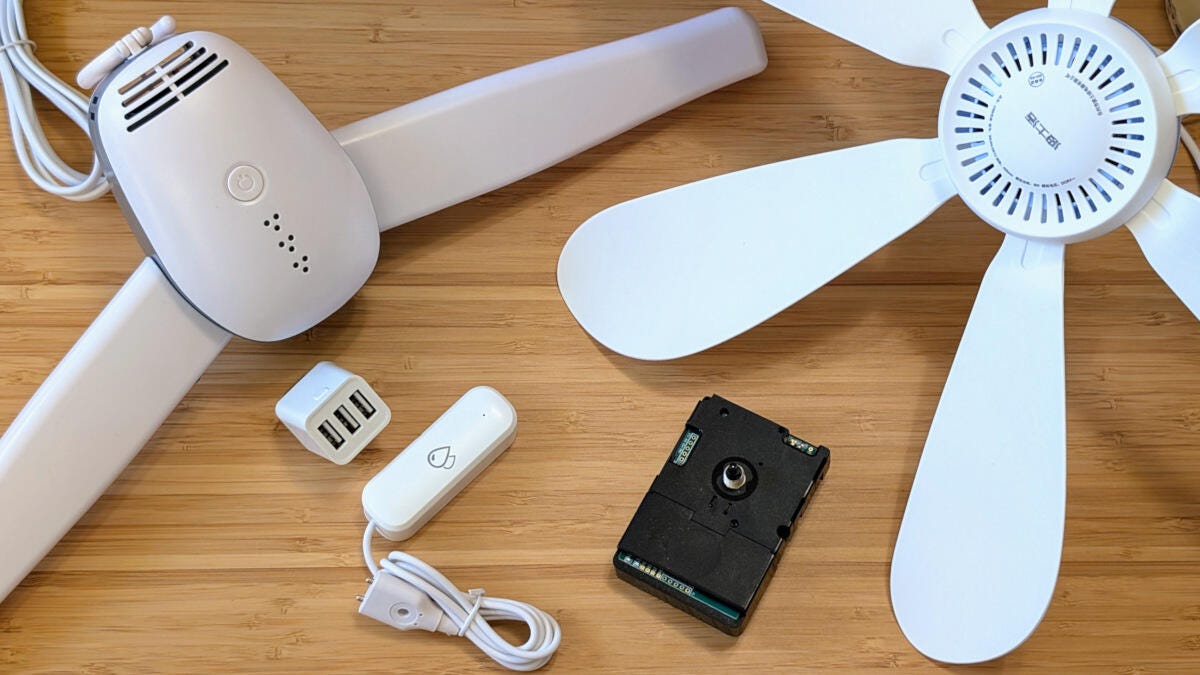
The standout product was the Tuya Zigbee Smart USB Adaptor Switch, priced at $5.02. It features three USB-A ports and integrates well with smart home systems, albeit with limitations in device charging. The design offers convenience, earning high marks for value.
Another positive entry was a small USB-powered ceiling fan available for $14. Although it lacks power and cooling capability, it is quiet and easy to operate and can be used in settings where traditional ceiling fans are impractical.
However, not all products performed well. The Tuya Zigbee Water Sensor was moderately functional but required complicated setup with SmartThings, resulting in an average rating. Conversely, a Smart Wi-Fi clock mechanism was rated poorly due to a frustrating setup process and significant Wi-Fi security flaws, receiving a D- for functionality and safety.
The most disappointing product was the Smart Portable Clothes Dryer, which melted during its first use and posed a safety hazard. This experience highlights the risks of buying low-cost electronics, as safety and reliability can be compromised.
While discount sites can provide bargains, the experience serves as a reminder to proceed with caution when selecting tech products, especially where safety and privacy are concerned. The downside of these low-cost purchases can outweigh their appeal, with some items being outright dangerous.
The content above is a summary. For more details, see the source article.









