


Key Takeaways
- The U.S. Army is testing the GM Defense-developed Next Generation Tactical Vehicle-Hybrid (NGTV-H) prototype in Germany.
- The hybrid vehicle combines diesel power with electric capabilities, allowing for silent operation and reduced battery load in combat scenarios.
- The Army is exploring hybrid-electric technology to enhance operational effectiveness despite no current requirement for a Humvee replacement.
Testing the Next Generation Tactical Vehicle-Hybrid
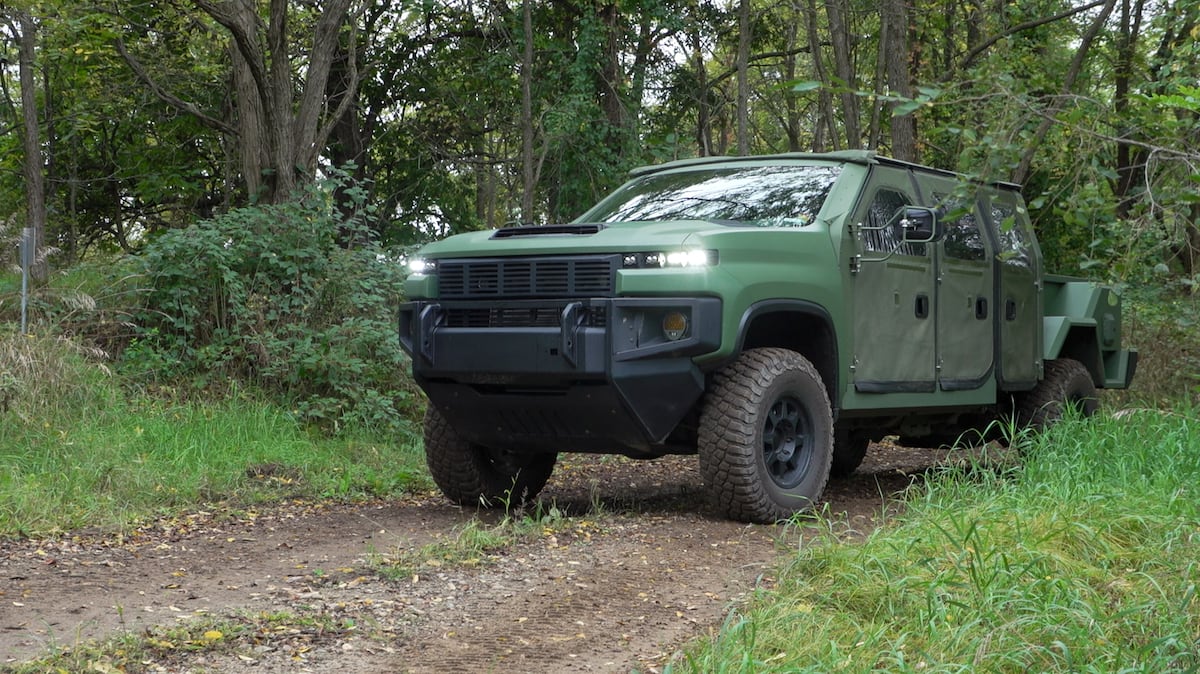
The U.S. Army is currently conducting tests on the Next Generation Tactical Vehicle-Hybrid (NGTV-H) prototype, developed by GM Defense, in snowy terrain in Bavaria, Germany. This vehicle is a hybrid diesel-electric light reconnaissance unit that was unveiled at the Association of the U.S. Army’s annual conference in October. The Armed Forces introduced the NGTV-H to the 3rd Brigade, 10th Mountain Division during the Combined Resolve exercise at the Joint Multinational Readiness Center in Hohenfels.
The NGTV-H aims to replace the aging Humvee, but the Army has not yet established a specific requirement for this transition. While some Humvees have been replaced with newer Joint Light Tactical Vehicles, the Army has expressed a desire to keep a smaller vehicle, akin to the Humvee, in its inventory. The NGTV-H is based on the Chevy Silverado platform, featuring the same Duramax engine as the Army’s Infantry Squad Vehicle, paired with an electric battery that delivers approximately 300 kilowatt-hours of power and is complemented by a 15-gallon fuel tank.
Given the ongoing war in Ukraine, the need for quieter vehicles has become apparent. The NGTV-H boasts hybrid technology, enabling “silent mode,” which allows the vehicle to run systems without keeping the engine idling. This capability is easily switchable, providing tactical advantages in operational environments. The evolution of warfare equipment has significantly increased soldier energy requirements on the battlefield; units have escalated from carrying around 48 pounds of batteries during Desert Storm to nearly 1,200 pounds today.
GM Defense VP of Business Development Pete Johnson noted the startling amount of energy needed for current military missions. The NGTV-H not only seeks to improve mobility and operational capacity on site but also serves logistical flexibility, as it can be transported aboard C-130 and C-17 aircraft and can be sling-loaded by helicopters such as the CH-47 Chinook and MH-53 King Stallion.
Although Army leadership has shown interest in hybrid-electric capabilities, official adoption has not yet occurred. The ongoing evaluation of the NGTV-H in real-world conditions could expedite the confirmation and eventual integration of hybrid technology in combat vehicles. This move aligns with the Army’s broader initiative to transform military capabilities through practical testing, ensuring new technologies perform effectively in diverse operational settings.
Jen Judson, an established journalist in land warfare reporting, emphasizes the critical nature of these developments during her coverage.
The content above is a summary. For more details, see the source article.









