


Key Takeaways
- More than two-thirds of NATO’s 32 members now meet the 2% GDP defense spending target, a notable increase since Russia’s invasion of Ukraine.
- Eastern European nations are advocating for higher spending targets, suggesting a floor of 2.5% to address evolving security threats.
- The U.S. and Republican leaders are aligning with these calls for increased defense budgets to better reflect current geopolitical challenges.
NATO’s Defense Spending in Focus as Summit Approaches
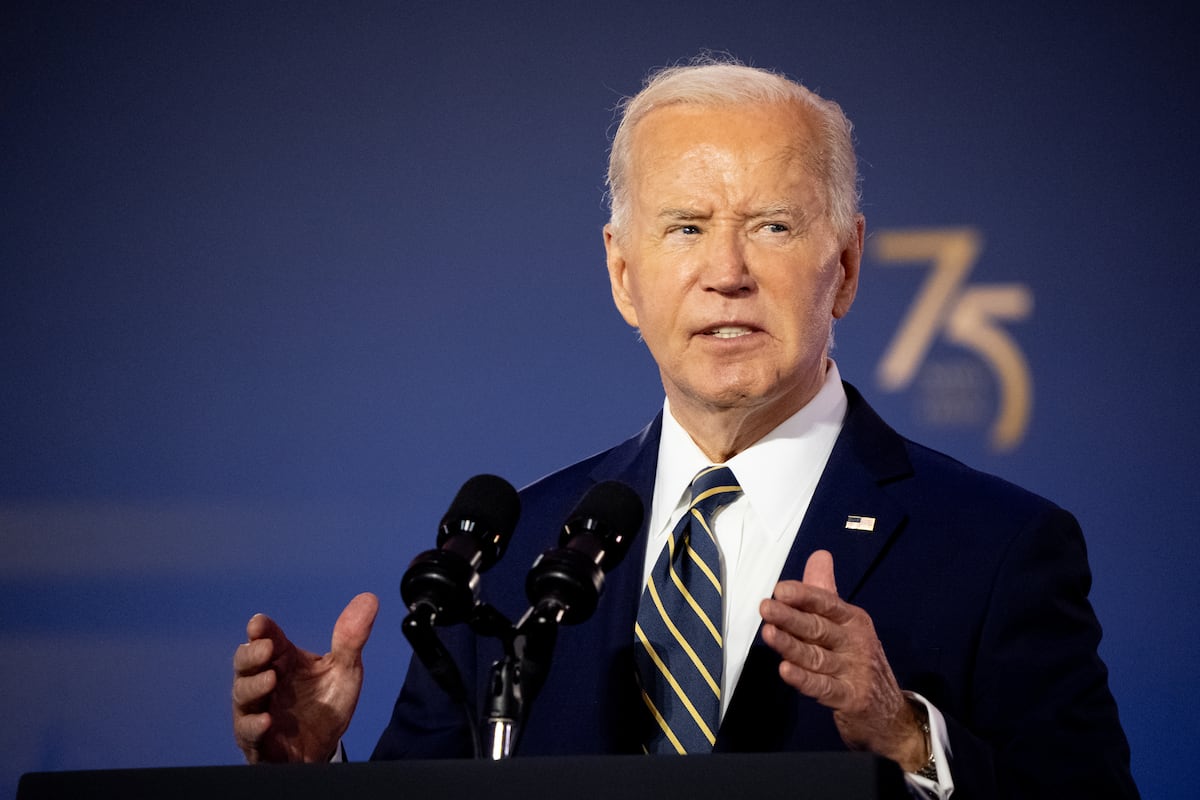
At NATO’s 75th anniversary summit, it was reported that over two-thirds of the alliance’s members are meeting the 2% GDP minimum defense spending target established a decade ago, reflecting significant progress amid heightened security concerns following Russia’s invasion of Ukraine. In past years, this goal had been largely unmet, but now President Joe Biden noted that 23 countries will meet the target, compared to only nine in 2020.
However, some member states—particularly those on Europe’s eastern flank—demand even more action. They argue that given ongoing threats, notably from Russia, the NATO spending benchmark should be increased beyond 2%. Lithuanian Defense Minister Laurynas Kasčiūnas indicated that many countries require spending even higher than 2.5% to adequately address their defense needs, especially regarding advanced air defense systems and long-range capabilities. Estonia’s Undersecretary for Defense Policy, Tuuli Duneton, echoed this sentiment, suggesting that discussions to raise targets to 2.5% or 3% should commence ahead of the next NATO summit.
The U.S., currently spending roughly 3% of GDP on defense—a figure projected to drop to 2.5% by 2034—also faces pressure from Republicans to enhance NATO’s defense commitments in light of increasing global authoritarianism. Senator Dan Sullivan emphasized that the alliance must adapt its spending to meet contemporary security challenges.
Moreover, some voices within NATO question the impact of merely hitting the 2% target. John Deni, a former political advisor, highlighted Greece as an example where significant spending does not equate to military readiness, labeling excessive defense budgets as ‘jobs programs’ rather than effective defense strategies.
With only the 2% and 20% thresholds publicly affirmed as minimums, NATO has 11 private metrics to measure member readiness. As the alliance refines its defense and deterrence plans, the hope is that increased military requirements will result in higher overall spending and improved military capabilities.
In wading through this complex landscape, experts caution that Europe may require years to bolster its defense capacity significantly. If U.S. support for Ukraine diminishes, it could leave the country vulnerable. Additionally, while European nations may fall short of the 2% threshold, like the Netherlands, they provide significant military support, complicating the narrative around adequate defense spending.
Ultimately, the ongoing discussions on defense budgets reflect a broader strategic shift within NATO, driven by the realities of modern warfare and geopolitical tensions. The alliance’s future effectiveness may depend on its ability to adapt spending goals and capabilities to ensure collective security.
The content above is a summary. For more details, see the source article.









