


Key Takeaways
- India aims to achieve 1,800 GW of renewable energy capacity by 2047 as part of its ‘Viksit Bharat@2047’ vision.
- The country is set to reach 500 GW of renewable energy capacity by 2030, with a focus on long-term planning under Prime Minister Narendra Modi.
- The installed renewable energy capacity has nearly tripled from 75.52 GW in 2014 to 220 GW currently, with ongoing investments and initiatives to expand capacity further.
Focus on Renewable Energy Expansion
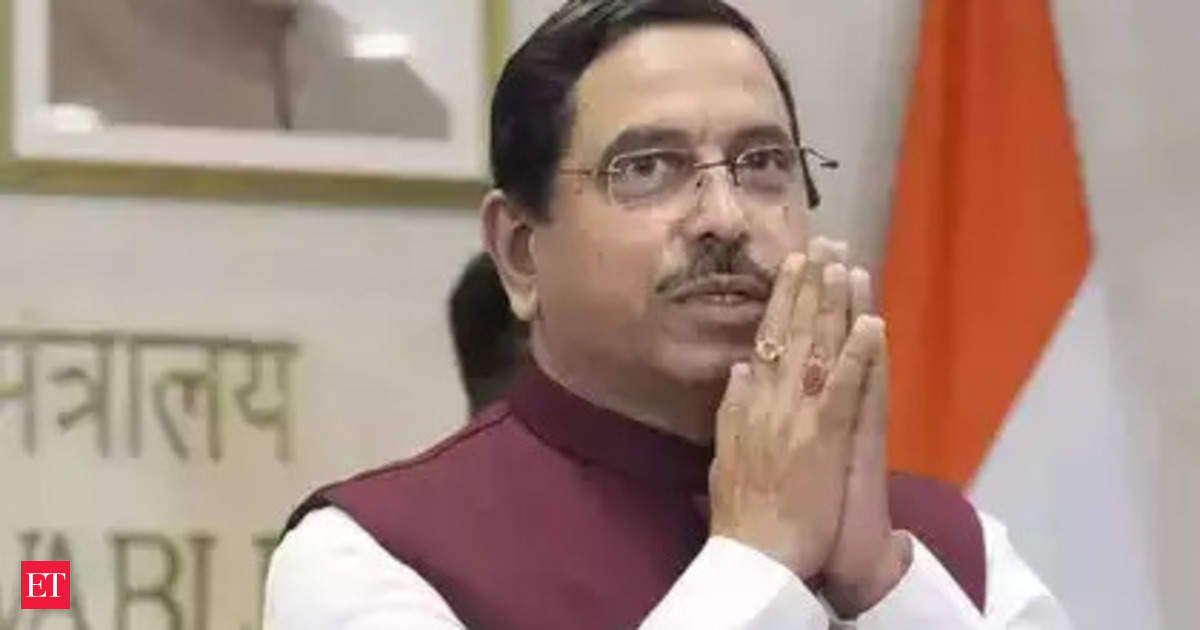
India is setting ambitious renewable energy goals as it prepares for the centenary of its independence in 2047. Union Minister for New and Renewable Energy, Pralhad Joshi, announced these plans at the India Energy Transition Summit, emphasizing a vision that includes a target of 1,800 GW of renewable energy capacity. This long-term plan is part of the ‘Viksit Bharat@2047’ initiative aimed at promoting sustainable energy development.
Currently, India expects to reach a significant milestone of 500 GW of renewable energy capacity by 2030. Joshi remarked that the country has already made considerable progress in expanding its renewable energy sector, achieving approximately 100 GW of solar capacity with plans to add around 50 GW annually moving forward. The rapid growth is highlighted by a near 200 percent increase in the total renewable capacity since March 2014, which has surged from 75.52 GW to 220 GW.
In addition to targeting large-scale renewable capacity, the Indian government is also advancing specific initiatives to promote solar energy among households. The PM SuryaGhar Yojana aims to install one crore solar rooftops across the nation. So far, about 850,000 installations have been completed, and the initiative has gained momentum, with financial institutions beginning to support these projects.
Financial backing is crucial for reaching these ambitious targets, and Secretary of Financial Services, M Nagaraju, indicated that public sector banks are prepared to fund approximately Rs 10 lakh crore towards the 500 GW goal by 2030. However, an additional Rs 23 lakh crore will need to be sourced from other financial institutions to cover the total estimated investment of Rs 33 lakh crore required to accomplish the 2030 renewable energy target.
As India continues its transformative journey in renewable energy, the government is committed to not only meeting its short-term objectives but also establishing a sustainable path for the future. With strong policy support and increasing investments, the prospects for India’s renewable energy capabilities look promising as the nation aims for a greener and more sustainable energy infrastructure.
The content above is a summary. For more details, see the source article.









