


Key Takeaways
- The Indian government plans to distribute 10 drones to each of its 640,000 villages for efficient fertilizer spraying.
- This initiative aims to improve agricultural productivity, reduce costs, and minimize environmental impact through precision farming.
- Challenges such as high initial costs and the need for skilled operators may hinder widespread adoption of drone technology in agriculture.
Government Initiative for Drone Deployment in Farming
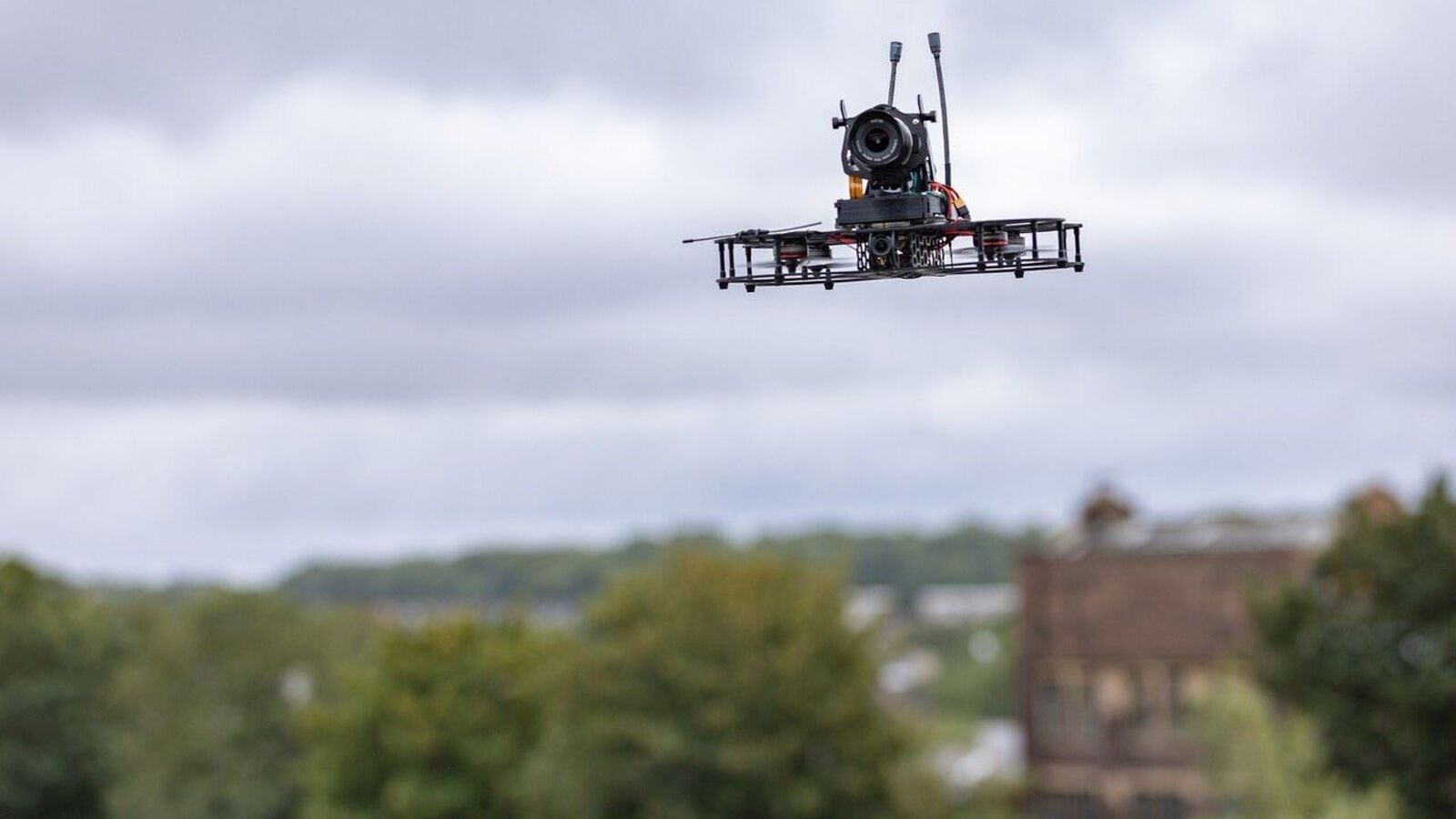
The Indian government is developing a strategy to provide 10 drones to every one of the country’s 640,000 villages. This initiative is aimed at enhancing fertilizer spraying efficiency and reducing input costs, following a ₹1.67 trillion allocation for fertilizer subsidies in the Union budget for 2025-26. The introduction of drone technology in agriculture, as highlighted by officials, seeks to boost productivity while addressing labor shortages and reducing environmental impacts associated with traditional farming practices.
The proposed plan involves distributing drones through local panchayats, allowing farmers to access these services at nominal rental fees. The Ministry of Civil Aviation is expected to oversee the manufacturing and registration processes for the drones.
The move is part of a broader effort to encourage precision farming, which includes improved methods for pesticide application, soil health monitoring, and crop assessments. Funding mechanisms for this drone initiative are still being finalized, according to industry sources.
Experts in the agriculture sector have welcomed the initiative. Dr. Kalyan Goswami, Director General of the Agro Chem Federation of India (ACFI), noted that using drone technology for spraying can enhance targeting and reduce waste. He emphasized the importance of sustainable farming practices that the initiative seeks to promote by minimizing the risk of over-application of fertilizers.
Despite the benefits, the widespread adoption of drone technology in agriculture faces obstacles. Dr. R.G. Agarwal, Chairman Emeritus of Dhanuka Agritech, noted challenges such as high initial costs, regulatory hurdles, and a lack of skilled operators. He mentioned that many farmers currently lack a full understanding of the benefits offered by this technology.
India’s fertilizer needs are significant, as demonstrated by recent import figures. The country imported 10.65 million tonnes of phosphatic and potassic fertilizers and 7 million tonnes of urea in FY24. The Parliamentary Standing Committee on Chemicals & Fertilizers has projected that India will need approximately 45 million tonnes of plant nutrients annually to meet its food grain requirements, which are expected to reach 300 million tonnes by 2025.
In addition to this new initiative, the government has previously launched the Namo Drone Didi scheme, which aims to provide 15,000 drones to women’s self-help groups over the next three years. The program is designed to promote sustainable livelihoods within these communities. In addition, during 2023-24, 1,094 drones were already distributed to the Drone Didis of self-help groups by major fertilizer companies through internal funding.
The content above is a summary. For more details, see the source article.









