


Key Takeaways
- Students from Tulane University and Louisiana State University will recover food during Super Bowl Sunday, helping to reduce food waste.
- The Food Recovery Network aims to expand its initiatives to community colleges to tackle food insecurity.
- FRN’s efforts have moved beyond college campuses, aiming to assist far more communities with food recovery programs by 2030.
Food Recovery Efforts During Super Bowl
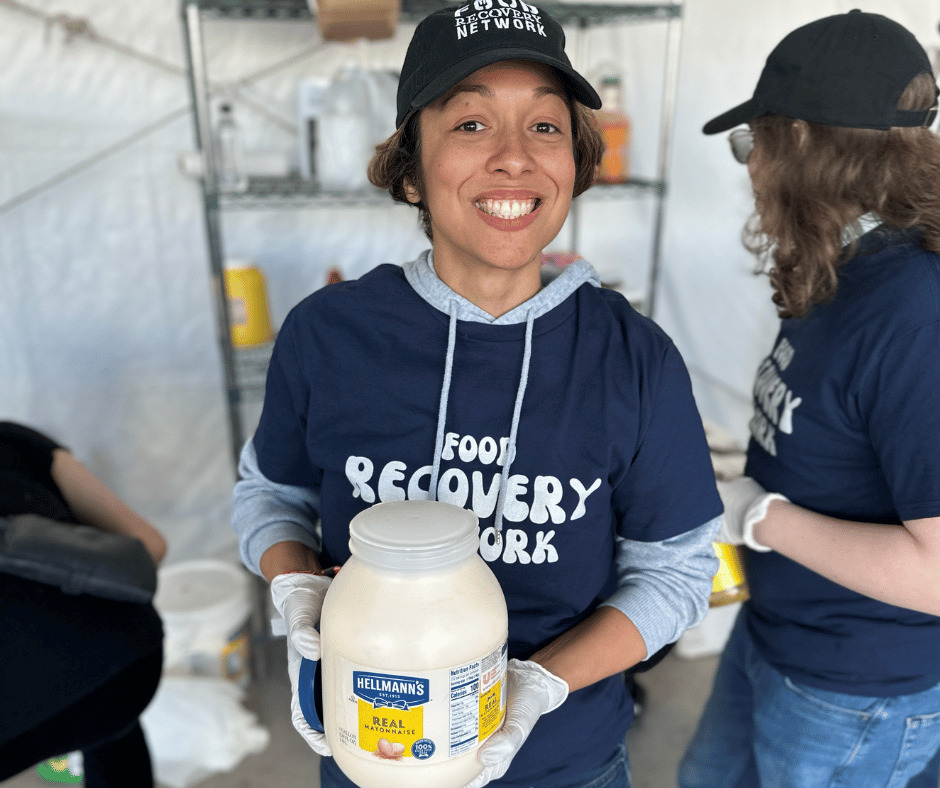
In New Orleans, students from Tulane University and Louisiana State University are partnering with the Food Recovery Network (FRN) to rescue surplus food during the Super Bowl. This initiative, known as the Big Game, is now in its fifth year and involves collecting food from The Player’s Tailgate, a major culinary event hosted by Bullseye Entertainment Group. Hellmann’s Mayonnaise is also participating this year, with plans for Guy Fieri’s Flavortown Tailgate to join in 2025.
Each year, an alarming amount of over 140,000 pounds of food waste emerges from Super Bowl festivities, equivalent to the weight of 40 Ford Tauruses combined. FRN Executive Director Regina Harmon emphasizes that large-scale events provide the opportunity to recover “truckloads of food.” This food will be redirected to the New Orleans Mission, supporting those experiencing hunger in a city where 62,000 individuals face food insecurity.
The Player’s Tailgate, hosted by celebrity chefs Marcus Samuelsson, Marc Murphy, and Aaron May, is renowned for its diverse culinary offerings, highlighting the potential waste that could result from the event. Recently, New Orleans weathered a rare winter storm, and Harmon noted the broader implications of climate change, connecting it to local food waste issues. “Limiting food waste is one of many ways we can all work together to reduce carbon emissions and create a more climate-resilient world,” she stated.
In 2024, during the Super Bowl in Las Vegas, FRN students successfully recovered approximately 3,994 pounds of food, providing the equivalent of 3,328 meals.
Expanding Food Recovery Initiatives
Founded in 2011, FRN has mobilized over 8,000 students across more than 200 U.S. schools to combat food waste and hunger. A significant future focus for FRN is its expansion into community colleges. Research indicates that two-year institutions are often located in areas with limited food access, and FRN is working to address this gap through its Community College Recovery Grants. These grants offer technical and financial support to help implement effective food recovery programs.
Harmon highlighted that some community colleges, like Central Lakes College in Minnesota and San Diego College of Continuing Education in California, have already begun successfully recovering food. One institution reported saving 50,000 pounds of food so far.
Community Outreach and Future Goals
FRN’s activities extend beyond college campuses; the organization strives to expand its reach significantly by 2030. Through its FRN 10x framework, the goal is to increase the support for communities from 4,000 to 40,000 people. By analyzing various demographic and poverty data, FRN has identified specific counties across the United States for targeted outreach.
Currently, FRN is rolling out fresh produce pop-up markets in cities like Atlanta, Baltimore, and St. Paul, with plans for more cities in the future. Harmon noted that engaging directly with communities ensures that the organization’s initiatives are respectful and tailored to the specific needs of the residents. “We’re not here to tell them what they need; we work closely with communities to understand their needs,” she concluded, underscoring FRN’s commitment to proactive and responsive community service.
The content above is a summary. For more details, see the source article.









