

Key Takeaways
- Synbiotic technology, combining prebiotics and probiotics, can significantly enhance shrimp production and its sustainability in climate-affected regions.
- The research conducted in Bangladesh shows an increase in shrimp yield by 25-30% and a reduction in feed costs by 20%.
- Experts urge the dissemination of this technology to help mitigate the impacts of climate change on shrimp farming.
Research Findings on Shrimp Farming
Recent studies reveal that synbiotic technology—a blend of prebiotics and probiotics—offers promising benefits for shrimp farmers, especially in climate-affected areas. Conducted by Dr Sayed Hafizur Rahman from Jahangirnagar University and supported by the Sustainable Coastal and Marine Fisheries (SCMF) Project, the research highlights significant improvements in shrimp farming practices.
The study involved 18 ponds across the Khulna and Bagerhat districts, focusing on enhancing shrimp production and health while combating climate change’s adverse effects. By integrating synbiotic feed into their shrimp diets and applying it in pond water, farmers reported remarkable enhancements in water quality, a reduction in harmful bacteria, and an increase in beneficial bacterial populations.
Results indicate a notable feed conversion ratio (FCR) improvement, leading to reduced production costs. Reports from farmers involved in the study confirm that they achieved a 25-30% increase in shrimp yield last year without any disease outbreaks, attributing the healthy and robust shrimp quality to the utilization of synbiotics. Additionally, consumers benefit from a 20% decrease in feed costs.
The research also underscores the broader issue facing shrimp farming: climate change. Bangladesh’s coastal regions are experiencing shifts in temperature, rainfall variability, and salinity levels—all detrimental to shrimp cultivation. These changes disrupt shrimp growth, weaken their immune systems, and increase susceptibility to diseases.
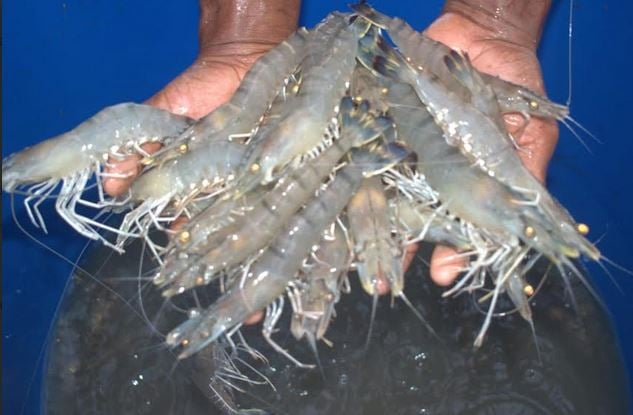
Despite these challenges, the potential of Bangladesh’s shrimp industry remains significant, particularly with the Bagda (Tiger) shrimp, a prized product often referred to as “white gold.” Currently, the country produces over 137,000 metric tons of Bagda shrimp across approximately 191,000 hectares. The introduction of more modern technologies, such as synbiotic feeds, may double production rates, according to researchers.
Farmers and experts advocate for the broader application of synbiotic technology in the shrimp farming sector. As Saroj Kumar Mistry, SCMF project sub-director, stated, disseminating these findings could drive positive changes in the industry, presenting a new ray of hope to combat the adverse impacts of climate change on Bangladesh’s shrimp production.
The content above is a summary. For more details, see the source article.