


Key Takeaways
- Defense Secretary Pete Hegseth reaffirmed U.S. commitment to allies in the Indo-Pacific while seeking to avoid conflict with China.
- Hegseth emphasized the need for a review of Pentagon staffing and bureaucracies, suggesting cuts to positions that do not contribute to battlefield success.
- Military family issues were highlighted as significant factors affecting readiness and retention, prioritizing their needs over new massive defense systems.
U.S. Defense Strategy in the Indo-Pacific
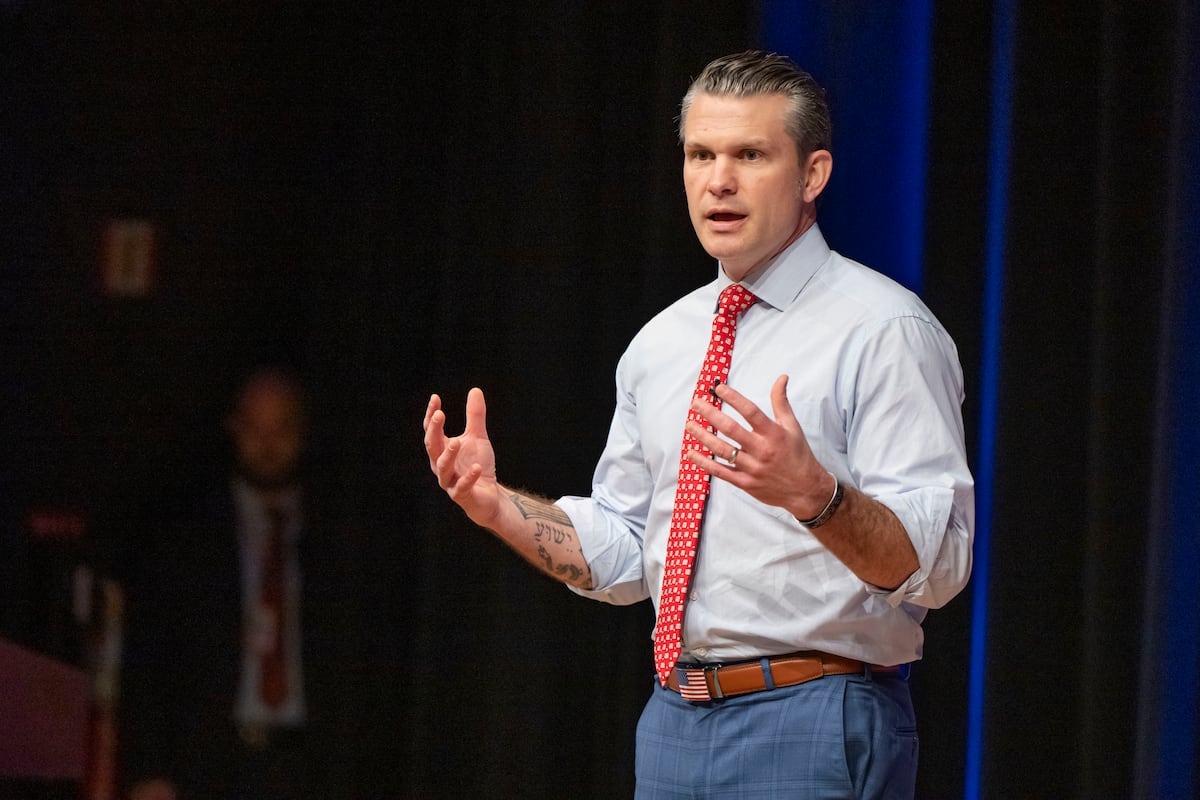
During a recent town hall event, Defense Secretary Pete Hegseth expressed the United States’ unwavering commitment to supporting its allies in the Indo-Pacific region in the face of challenges posed by China. While he acknowledged the need for strength in dealings with China, he stressed that the U.S. does not aim to instigate unnecessary conflict. “We’re clear-eyed about the communist Chinese…but we’re also not attempting to initiate conflict,” he stated.
Hegseth made these remarks after an Air Force official inquired about a more assertive approach in the gray zone—operations falling short of open warfare—to deter both China and Russia. He recognized the existence of these gray zone activities and reiterated the importance of conveying to China that the Indo-Pacific would remain contested territory.
In addition to addressing international relations, Hegseth also discussed internal Pentagon matters, particularly concerning potential personnel cuts. He pointed out that the Defense Department has accumulated thousands of positions over the past two decades that may lack effectiveness in achieving battlefield success. He noted the excessive bureaucracy, with a mention of the growing number of flag officers, stating, “We won World War II with seven four-star generals. Today we have 44.” This underscores his belief that a thorough review is warranted to ensure every position directly contributes to military readiness.
Highlighting budgetary constraints, Hegseth mentioned the challenges faced by the armored cavalry unit at Fort Bliss, which has seen recent reductions in training due to financial limitations. He deemed such circumstances as “completely unacceptable,” indicating a pressing need to address waste, fraud, and bureaucratic inefficiencies within the Pentagon.
Furthermore, Hegseth advocated for a balanced defense acquisition strategy that prioritizes both rapid deployment of smaller capabilities and the development of larger deterrent systems. He cited the successful use of low-cost drones in Ukraine as a model for the Pentagon to collaborate with innovative contractors, such as those in Silicon Valley, to expedite the creation of effective military technologies.
During the town hall, concerns about military family stability were also raised. Hegseth acknowledged that the frequent relocations faced by military families present significant challenges that affect morale, readiness, and retention within the ranks. He emphasized that addressing the needs of service members’ families should take precedence over funding new multi-billion dollar military programs.
In summary, Hegseth’s remarks underscored a multifaceted approach to U.S. defense strategy that balances international challenges with internal efficiencies and family support within the military community. The Defense Department’s capability to effectively respond to threats while nurturing the well-being of its personnel remains a priority as it navigates a complex global landscape.
The content above is a summary. For more details, see the source article.









