


Key Takeaways
- Farmers and economists call for enhanced safety net programs in the next farm bill due to low commodity prices and rising input costs.
- Projected U.S. net farm income is expected to rise to $180.1 billion in 2025, largely aided by disaster relief but still facing significant shortfalls without government support.
- The specialty crop sector confronts challenges from rising labor costs and market uncertainties, prompting calls for expanded crop insurance and support mechanisms.
Farmers Urge Action on Economic Challenges in Agriculture
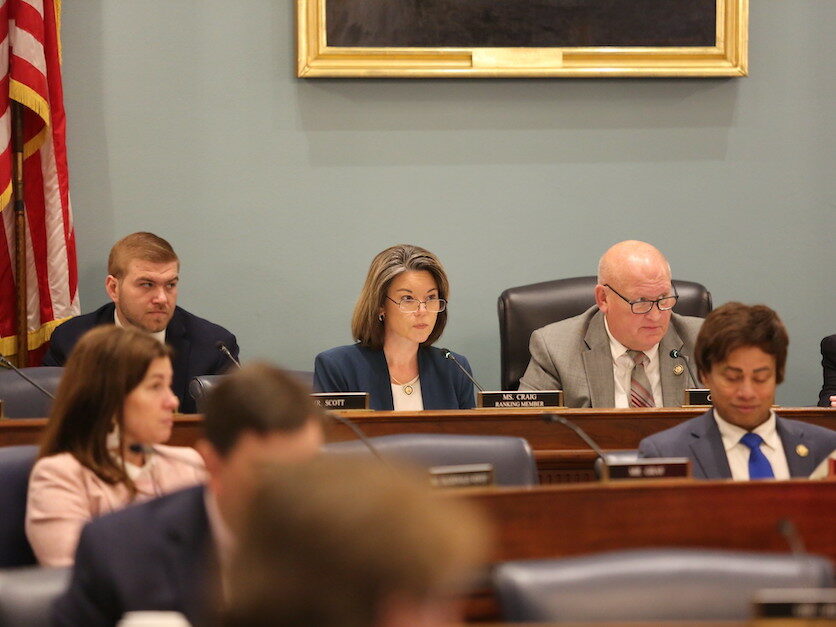
During a recent meeting with the House Agriculture Committee, a group of farmers and agricultural economists expressed grave concerns regarding the current state of the farm economy. They urged lawmakers to bolster safety net programs as part of the upcoming farm bill. Texas farmer Alisha Schwertner noted that low commodity prices combined with escalating input costs are significantly constraining profit margins, making it increasingly difficult to negotiate credit extensions with banks. Schwertner shared her family’s struggles with repaying operating lines of credit, citing that they are offering cotton prices that are lower than those from 60 years ago while seeing input costs surge by over 300%.
The U.S. Department of Agriculture (USDA) forecasts a substantial increase in net farm income to $180.1 billion for 2025, primarily due to $31 billion in disaster aid and market relief approved by Congress. However, production expenses are expected to remain near record highs, with less than a 1% decrease projected for 2025. Despite a slight projected increase in net farm income excluding government support to $138 billion, the adjusted figure still reflects a significant 26% decline from two years earlier.
John Newton, executive head of Terrain, highlighted that all major U.S. field crops are expected to record revenues below production costs in the 2025-2026 marketing year. For instance, a projected shortfall of $339 per acre for cotton and a $161 shortfall for corn illustrates the challenging economic landscape. Newton stressed that the farm safety net is inadequate, stating, “Our farm safety net is broken,” and emphasized the need for strengthening existing farm bill provisions.
In contrast to crop farmers, cattle producers have experienced increased income since 2022, yet many remain cautious about expansion due to unfavorable pasture conditions and high costs for replacement animals. Rodney Weinzierl from the Illinois Corn Growers Association warned that corn and soybean farmers in Illinois are likely facing negative returns for the third consecutive year, a situation reminiscent of the financial crisis in the 1980s.
Amidst these challenges, Ryan Talley, representing the Specialty Crop Farm Bill Alliance, brought attention to multiple issues facing the specialty crop sector, including rising labor costs, limited pesticide access, and natural disasters. Talley noted a significant rise in H-2A wage rates, which he described as a serious threat to operations, potentially jeopardizing his farm’s viability. He advocated for enhancing crop insurance options tailored for specialty growers, emphasizing the need for comprehensive proposals to modernize revenue insurance programs and establish formal representation for the specialty crop industry.
As farmers navigate these turbulent economic waters, there is a distinct call for action to reinforce support systems that are critical to sustaining agricultural viability in the U.S. The developments underscore the importance of responsive agricultural policies that address both current and future challenges faced by farmers and the broader agricultural community.
The content above is a summary. For more details, see the source article.









