


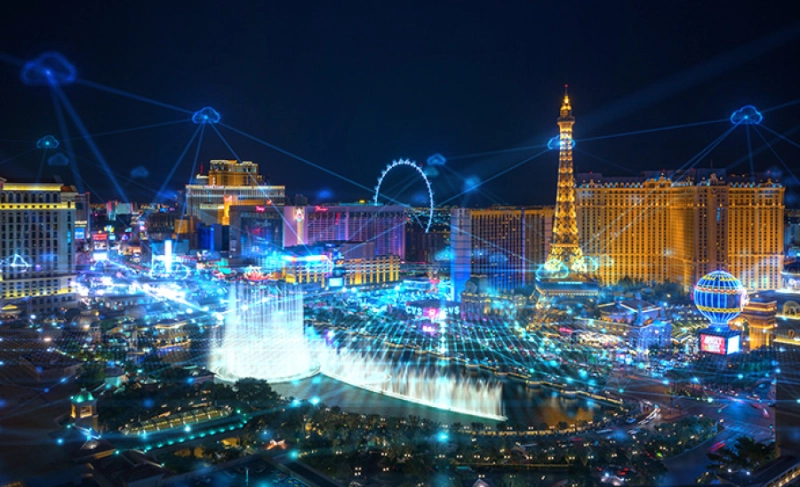
Key Takeaways
- Las Vegas is emerging as a testing ground for smart city innovations to enhance hospitality experiences.
- Integration of IoT and AI technologies aims to optimize resource allocation, reduce congestion, and improve guest satisfaction.
- The concept of cognitive buildings promotes energy efficiency and sustainability while enhancing visitor engagement in crowded environments.
Innovative Approaches in Las Vegas Hospitality
Las Vegas, known for its vibrant entertainment scene, is positioning itself as a leader in smart city innovations tailored to enhance the hospitality sector. The city’s unique ability to manage large crowds at various events makes it an ideal environment for testing advanced technology solutions.
The hospitality industry in Las Vegas faces the ongoing challenge of accommodating increasing visitor demand, often straining available resources. To address this, smart city initiatives aim to collect real-time data on elements affecting guest experiences—including weather, traffic patterns, and venue occupancy. Such innovations promise to enhance operational strategies, improve resource efficiency, and elevate overall guest satisfaction. Currently, Las Vegas has begun introducing technology to manage traffic control, but its potential to transform hospitality is even broader.
A pivotal aspect of smart city infrastructure involves the Internet of Things (IoT), which encompasses connected devices that gather and share data. For example, existing motion sensors in casinos monitor guest movement, providing critical insight for security while enhancing game layout strategies. With advanced mobile integrations, guests could receive alerts about less crowded areas, thereby improving their experiences and the efficiency of venue operations.
Additionally, the employment of data analytics and artificial intelligence (AI) can optimize operations in diverse ways, from predicting visitor trends to crafting effective gaming floor layouts. AI’s capabilities in analyzing real-time occupancy data allow hospitality providers to fine-tune staffing and resource management, significantly reducing costs and enhancing service efficiency.
Cognitive buildings represent another innovative advancement in Las Vegas. These structures can dynamically adjust lighting, HVAC, and ventilation based on current occupancy and activities. This approach not only promotes energy conservation but also enhances air quality and security, creating a more responsive environment for visitors.
By embracing smart city technologies, Las Vegas could lead the hospitality industry in innovation, benefiting both operational efficiency and guest satisfaction. Real-time updates regarding venue capacities and alternative entertainment options could effectively manage peak hours, reducing guest frustration and improving experience quality.
In summary, the potential for Las Vegas to pioneer smart city features promises to elevate its hospitality sector through the integration of IoT, AI, and sustainable practices. This holistic approach not only enhances visitor experiences but also signifies a substantial shift towards more efficient and environmentally conscious tourism.
The content above is a summary. For more details, see the source article.









